

Best Dog Food for Picky Eaters
If your dog sniffs their food, walks away from the bowl, or refuses meals altogether, you’re not alone. Many pet owners struggle with picky eating behavior. Finding the best dog food for picky eaters can be challenging, especially when you’re concerned about your dog’s health and nutrition.
The good news is that most picky eating problems can be solved by identifying the underlying cause and choosing a food that matches your dog’s preferences and nutritional needs.
Quick Answer: The best dog food for picky eaters typically contains high-quality animal protein, a strong aroma, highly digestible ingredients, balanced nutrition, and a flavor your dog enjoys. Wet food and fresh food diets are often more appealing than dry kibble for selective eaters.
Whether your dog refuses to eat kibble, turns away from dry food, or seems uninterested in meals, this guide will help you understand the reasons behind picky dog eating habits and how to improve them.
Related Reading: Can Adult Dogs Eat Puppy Food?
https://dogpulse.blog/can-adult-dogs-eat-puppy-food/
The Truth About Dogs Who Are Picky Eaters
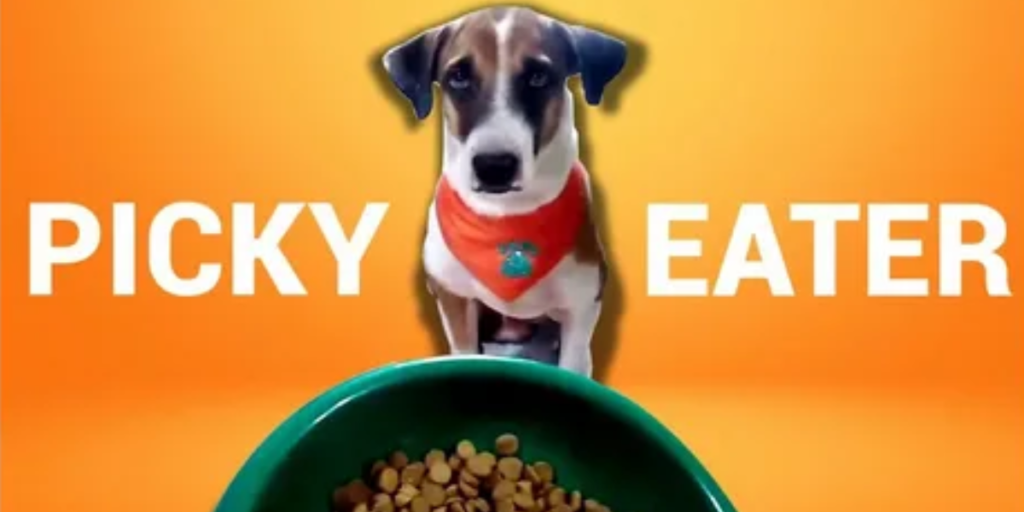
Many dog owners assume their pet is simply stubborn. However, selective eating in dogs often has deeper causes.
A picky dog may refuse food because of health issues, feeding habits, food quality, stress, anxiety, or learned behavior. While skipping a meal occasionally is usually not a concern, frequent food refusal should not be ignored.
Potential consequences include:
Undesirable Weight Loss or Weight Gain
Dogs that consistently skip meals may lose weight, muscle mass, and energy levels.
Conversely, many owners compensate by offering excessive treats, table scraps, or human food. This can lead to unhealthy weight gain and obesity.
Maintaining an ideal body condition is essential for long-term health.
Malnutrition
Dogs require a balanced diet that includes:
- High-quality protein
- Healthy fats
- Essential vitamins
- Important minerals
- Amino acids
A fussy eater dog that consumes an incomplete diet may develop nutritional deficiencies over time.
Digestive Upset
Constantly changing dog food brands to satisfy a picky eater can disrupt the digestive system.
Common symptoms include:
- Vomiting
- Diarrhea
- Excessive gas
- Stomach discomfort
Can Reinforce Unwanted Eating Habits
Dogs learn quickly.
If refusing food results in receiving treats or human food, they may continue rejecting their regular meals because they expect something more appealing.
What Is the Best Dog Food for Picky Eaters?
The best dog food for picky eaters generally includes several important qualities.
High-Quality Protein
Dogs are naturally attracted to meat-based diets.
Look for foods that list real meat as the first ingredient:
- Chicken
- Turkey
- Beef
- Lamb
- Salmon
Strong Aroma
A dog’s sense of smell is significantly stronger than a human’s.
Foods with a rich aroma often encourage better eating behavior.
High Moisture Content
Many picky dogs prefer wet food because it offers:
- Stronger smell
- Softer texture
- Easier chewing
This is one reason why the best wet food for picky dogs often performs better than dry kibble alone.
Limited Artificial Ingredients
Choose foods made with recognizable ingredients and avoid unnecessary artificial colors, flavors, and preservatives whenever possible.
Complete and Balanced Nutrition
Look for foods that meet AAFCO nutritional standards for your dog’s life stage.
What Motivates a Dog to Eat?
Several factors influence your dog’s appetite.
Smell
Aroma is often the strongest appetite trigger.
Taste
Dogs have individual flavor preferences just like humans.
Hunger
Too many treats can reduce interest in regular meals.
Routine
Dogs thrive on consistent feeding schedules.
Environment
Stress, noise, or household disruptions may reduce appetite.
Why Is My Dog a Picky Eater?
Underlying Medical Conditions
Sometimes picky eating is a symptom of an underlying health issue.
Potential causes include:
- Dental disease
- Food allergies
- Gastrointestinal disorders
- Kidney disease
- Liver disease
- Infections
If your dog suddenly loses interest in food, schedule a veterinary examination.
Too Many Treats and Table Scraps
One of the most common reasons a dog won’t eat dry food is receiving too many alternative food sources.
Examples include:
- Table scraps
- Human food
- Frequent treats
- Meal toppers at every feeding
Behavioral Causes
Behavioral factors may include:
- Attention-seeking behavior
- Anxiety
- Stress
- Changes in routine
Dogs often learn that refusing food results in additional attention.
Problems With the Food Itself
Not every dog food works for every dog.
Potential issues include:
- Poor flavor
- Stale kibble
- Low-quality ingredients
- Texture preferences
- Food sensitivities
Breed-Specific Tendencies
Some breeds are known for being selective eaters, including:
- Yorkshire Terriers
- Maltese
- Shih Tzus
- Pomeranians
Small breeds frequently develop stronger food preferences.
Age and Life Stage
Senior dogs may experience:
- Reduced smell sensitivity
- Dental discomfort
- Lower activity levels
These changes can influence appetite.
How Much Food Should a Dog Eat?
The ideal amount depends on:
- Age
- Breed
- Weight
- Activity level
- Overall health
Always follow feeding guidelines while monitoring your dog’s body condition and weight.
How to Get a Picky Dog to Eat
If you’re wondering how to get a picky dog to eat, try these proven methods.
Establish a Feeding Schedule
Offer meals at the same times every day.
Remove uneaten food after 15–20 minutes.
Limit Treats
Treats should account for less than 10% of daily calories.
Increase Food Aroma
Slightly warming wet food can make it more attractive.
Provide Daily Exercise
Exercise naturally stimulates appetite.
Reduce Feeding Distractions
Create a calm and quiet feeding area.
Consider a Dog Food Appetite Booster
Dog-safe broth, veterinarian-approved toppers, or small amounts of wet food can encourage eating without disrupting nutrition.
When Should You See a Veterinarian?

Contact your veterinarian if your dog:
- Refuses food for more than 24 hours
- Shows sudden appetite loss
- Experiences vomiting or diarrhea
- Loses weight rapidly
- Appears lethargic
A medical issue should always be ruled out before assuming your dog is simply picky.
Frequently Asked Questions About Dog Food for Picky Eaters
What is the best dog food for picky eaters?
The best dog food for picky eaters contains high-quality protein, balanced nutrition, a strong aroma, and ingredients your dog enjoys.
Why does my dog refuse to eat kibble?
Dogs may reject kibble because of flavor preferences, dental discomfort, stale food, excessive treats, or underlying medical conditions.
Is wet food better for picky dogs?
Many picky dogs prefer wet food because it provides stronger aroma, higher moisture content, and a softer texture.
How can I get my picky dog to eat?
Establish a feeding routine, reduce treats, increase exercise, and consider switching to a more appealing food formula.
Can picky eating be a sign of illness?
Yes. Sudden appetite loss can indicate dental disease, digestive disorders, infections, or other health conditions.
Final Thoughts
Finding the best dog food for picky eaters requires patience, consistency, and an understanding of your dog’s individual needs. Rather than constantly switching foods or relying on treats, focus on identifying the root cause of the behavior.
A high-quality diet, proper feeding routine, regular exercise, and veterinary guidance can help most picky eaters develop healthier eating habits over time.
By choosing nutritious food and reinforcing positive feeding behaviors, you can improve your dog’s health, maintain a healthy weight, and make mealtime enjoyable again.