
If you are wondering why is my dog not eating but drinking water, you are not alone. Your dog’s food bowl is completely untouched — they walked past it twice, drank from their water bowl, then curled up in the corner. This is one of the most common concerns dog owners bring to their veterinarians, and understanding the cause can help you act quickly and correctly.
The fact that your dog is still drinking water is actually an important clue. It tells us the situation is different from a dog who is refusing both food and water, which is typically a more urgent emergency. A dog who drinks but won’t eat is showing a specific pattern — and understanding what is behind it can help you act correctly and quickly.
In this complete guide, you will learn:
- 12 common reasons why dogs stop eating but keep drinking
- How long is too long without food (clear timeline)
- Age-specific guidance for puppies, adults, and senior dogs
- How to check your dog for dehydration at home
- 8 proven home remedies to stimulate your dog’s appetite
- Warning signs that mean you need a vet immediately
- A complete FAQ section answering the most asked questions
Let’s start from the beginning.
Is It Normal for a Dog to Skip a Meal?
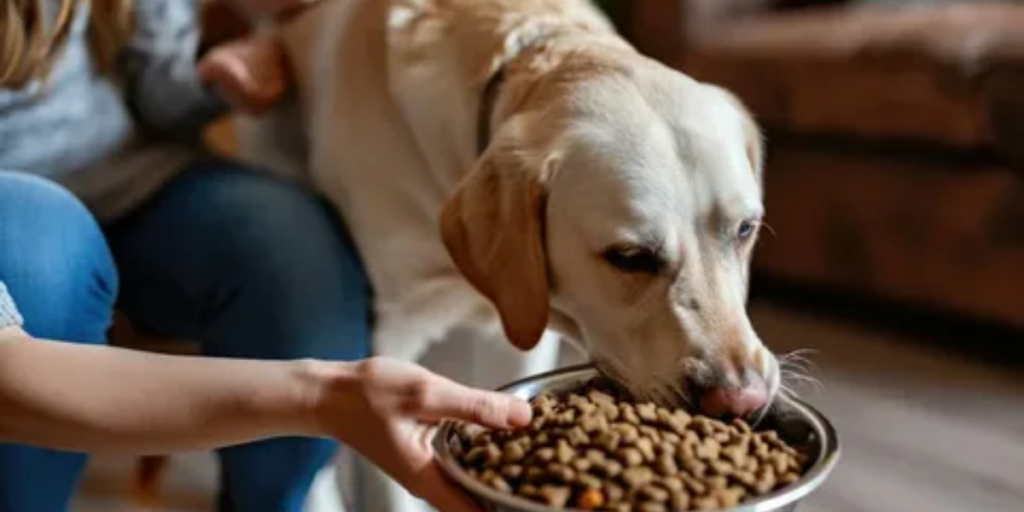
Before panic sets in, it is important to understand that occasional food refusal is not automatically a medical emergency. Just like humans, dogs can have an off day. A big play session, warm weather, minor stomach upset, or a change in routine can be enough to make your dog skip one meal without any underlying problem.
The key question is: how long has this been going on?
A single skipped meal in an otherwise healthy, active dog who is drinking water normally is usually not a reason to rush to the vet. But if your dog is refusing food for more than 24 hours, or if skipping meals is happening alongside other symptoms, that is when you need to pay close attention.
12 Common Reasons Why Your Dog Is Drinking Water But Not Eating
When a dog drinks water but refuses food, the causes can range from completely harmless to medically serious. Here are the 12 most common reasons, from mild to severe.
1. Upset Stomach or Mild Nausea
The most common and usually the least serious cause. Dogs experience nausea from many everyday things — eating grass, eating too fast, a small dietary indiscretion, or motion sickness during travel. Nausea makes food unappealing, but the dog continues to drink water to stay hydrated.
What to watch for: Lip licking, drooling, grass eating, occasional vomiting. Usually resolves within 12 to 24 hours on its own.
2. Stress and Anxiety
Dogs are highly sensitive creatures. Changes in their environment can completely disrupt their appetite while their thirst remains normal. Common stress triggers include moving to a new house, a new baby or pet in the home, loud noises like thunderstorms or fireworks, boarding at a new facility, or changes in their daily schedule.
3. Picky Eating or Food Boredom
Some dog breeds are naturally more selective about what they eat. If you have recently switched food brands, changed flavors, or if the food has gone slightly stale, your dog may refuse it while still happily drinking water.
4. Dental Pain or Oral Problems
When a dog has a painful tooth, abscess, fractured molar, swollen gums, or oral infection, chewing becomes extremely uncomfortable. Drinking water is easier because it does not require biting or chewing. Signs to look for: Bad breath, bleeding gums, pawing at the mouth, dropping food while chewing.
5. Recent Vaccination
It is completely normal for a dog to experience a mild loss of appetite after receiving vaccinations. The immune response triggered by vaccines can cause temporary fatigue, mild fever, and decreased appetite for 12 to 48 hours.
6. Medication Side Effects
Many common dog medications list appetite suppression as a side effect. Antibiotics, anti-inflammatory medications, chemotherapy drugs, and certain heart medications can all reduce a dog’s desire to eat while not affecting thirst.
7. Gastrointestinal Issues
Conditions like gastritis, inflammatory bowel disease (IBD), pancreatitis, or intestinal blockage can cause significant canine inappetence while the dog continues to drink water. Pancreatitis in particular — often from eating fatty foods — causes severe nausea and complete food refusal.
8. Kidney Disease
Kidney disease is one of the most important medical causes of a dog not eating but drinking water. When the kidneys are not functioning properly, toxins build up causing chronic nausea, making food unappealing — while the dog drinks more water to compensate for increased fluid loss.
9. Liver Disease
Similar to kidney disease, dog liver disease symptoms include decreased appetite combined with increased thirst. Other signs include jaundice, abdominal swelling, pale or orange-colored stools, and lethargy.
10. Diabetes Mellitus
Dogs with diabetes often show a confusing combination — drinking excessive water while refusing to eat their regular food. If your dog is drinking far more water than usual alongside food refusal and weight loss, diabetes should be ruled out by your vet with a simple blood test.
11. Infections and Fever
Any systemic infection — bacterial, viral, or parasitic — can suppress a dog’s appetite while they continue to drink water. Parvovirus in unvaccinated puppies is a particularly serious infection to be aware of.
12. Pain from Injury or Illness
Dogs in physical pain — whether from arthritis, an injury, internal inflammation, or post-surgical discomfort — will often stop eating while maintaining some level of hydration. Pain activates the stress response in dogs, which suppresses hunger signals.
How Long Can a Dog Go Without Eating? (The Timeline You Need)
| Time Without Food | What It Means | What You Should Do |
|---|---|---|
| 0 to 12 hours | Very normal, especially after stress or a big activity | Monitor, offer fresh food, no action needed |
| 12 to 24 hours | Still likely okay if dog is acting normally | Offer bland food, watch for other symptoms |
| 24 to 48 hours | Becoming a concern even if dog seems normal | Call your vet for guidance |
| 48 to 72 hours | Significant concern — body begins to use fat reserves | Vet visit is necessary |
| Over 72 hours | Medical emergency — risk of organ damage | Emergency vet immediately |
Age Matters: Puppy vs. Adult vs. Senior Dog
Puppy Not Eating But Drinking Water
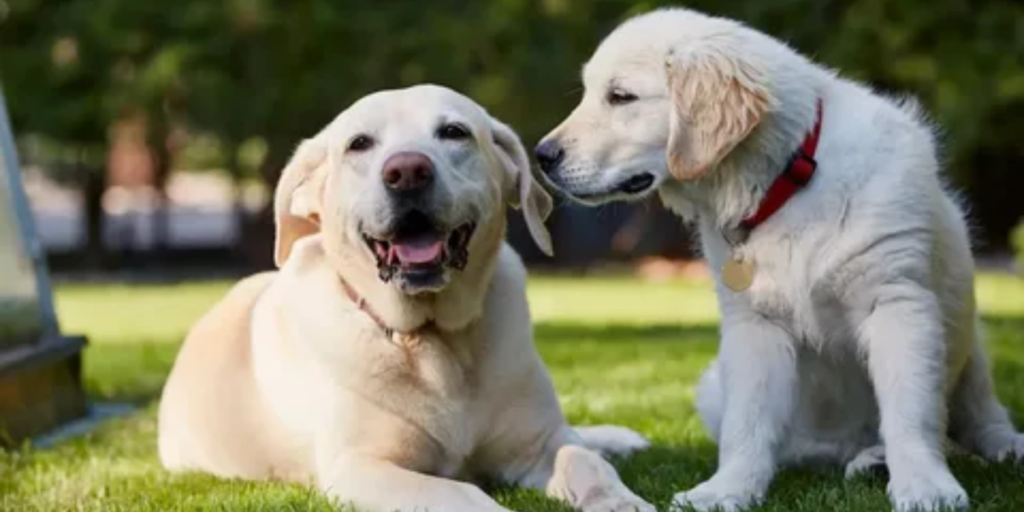
Puppies have much smaller energy reserves than adult dogs and cannot go nearly as long without food. If your puppy is not eating but drinking water, take action after 12 hours. Do not wait 24 to 48 hours like you might with an adult dog.
Adult Dog Not Eating But Drinking Water
For a healthy adult dog (1 to 7 years), a single skipped meal is generally not alarming. A 24-hour fast without other symptoms is usually safe to monitor at home with the home remedies listed below.
Senior Dog Not Eating But Drinking Water
A senior dog not eating but drinking water requires more careful attention. Older dogs are significantly more likely to have underlying conditions — kidney disease, liver disease, diabetes, dental disease, arthritis, or cancer — that are directly causing the food refusal. Call your vet within 24 hours, not 48.
8 Home Remedies to Get Your Dog Eating Again
1. Warm Up Their Food
Cold food has less aroma. Warming your dog’s regular food slightly (not hot — just body temperature) releases the smell and makes it far more attractive.
2. Add Chicken Broth or Bone Broth
Plain, low-sodium chicken broth (no onion, no garlic — both are toxic to dogs) poured over dry food can dramatically increase palatability.
3. Offer the Bland Diet: Chicken and Rice
Boil plain chicken breast (no seasoning, no oil) and white rice in a 1:2 ratio. This is gentle on the digestive system and highly appealing to most dogs. Safe for 2 to 3 days while your dog recovers from mild stomach upset.
4. Try Hand Feeding
Sometimes a dog in mild discomfort or stress will respond to personal attention. Hold the food in your hand rather than placing it in the bowl. Especially effective for dogs experiencing stress-related food refusal.
5. Feed Smaller, More Frequent Meals
Instead of one or two large meals, try offering four to five small portions throughout the day. A full bowl can feel overwhelming to a nauseous dog.
6. Remove the Food After 15 to 20 Minutes
Leave the food down for a set time, then remove it. This creates a feeding schedule that can help reset a dog’s internal appetite clock.
7. Use a Dog-Safe Appetite Stimulant Topper
You can add small amounts of plain pumpkin puree (canned, unsweetened — not pie filling), a scrambled egg, or a small amount of plain yogurt to your dog’s food.
8. Address the Stress
If you believe stress is behind the change in eating habits, create a quiet, calm feeding environment away from noise and foot traffic. Maintain a strict, consistent feeding schedule.
Warning Signs: When to Go to the Vet Immediately
Take your dog to an emergency vet or call your veterinarian immediately if you notice: food refusal for more than 48 hours (24 for puppies/seniors), repeated vomiting or diarrhea, lethargy, bloated or swollen abdomen, blood in vomit or stool, pale or white gums, or if you suspect a foreign object was swallowed.
Frequently Asked Questions
Most healthy adult dogs can safely go 24 to 48 hours without food as long as they are still drinking water and showing no other symptoms. Beyond 48 hours, a vet visit is strongly recommended. Puppies should be seen after 12 hours and senior dogs after 24 hours.
No. Force feeding can cause aspiration (food entering the lungs), increase stress, and damage the trust between you and your dog. Instead, try home remedies — warming food, adding broth, hand feeding small amounts — and contact your vet if the refusal continues.
A dog acting normally otherwise is a good sign. Monitor for 24 hours and try the home remedies. If they are still refusing food after 24 hours despite acting fine, call your vet for advice. Sometimes dogs feel fine internally but have something mild going on that bloodwork would reveal.
At 48 hours, call your vet immediately. Even if your dog seems okay, 48 hours without food is beyond the safe monitoring window. Your vet can determine whether bloodwork or an examination is needed.
Yes. Excessive water drinking combined with food refusal is one of the classic signs of chronic kidney disease in dogs. Other signs include frequent urination, weight loss, bad breath with an ammonia smell, and lethargy. This combination should be evaluated by a vet right away.
Small amounts of plain, cooked chicken or plain white rice are safe and actually recommended as a bland diet for sick dogs. Avoid anything with onion, garlic, grapes, raisins, xylitol, or heavy seasoning. Never give fatty human foods as these can trigger or worsen pancreatitis.
Start by warming up your dog’s regular food and adding a small amount of low-sodium, onion-free chicken broth. This is safe, simple, and effective for many cases of mild appetite loss. If this does not work within a few hours, try offering a small portion of boiled chicken and white rice.
Senior dogs not eating but drinking water is more often connected to a medical condition than in younger dogs. Kidney disease, dental pain, arthritis discomfort, and liver disease are all more common in older dogs. Do not wait more than 24 hours before calling your vet if your senior dog refuses food.
Final Thoughts
A dog that is not eating but still drinking water is sending you a signal. Sometimes that signal is minor — a little stress, a slightly off stomach, or a picky mood. Other times it is the earliest warning sign of a serious underlying condition that needs prompt veterinary attention.
The keys to handling this situation correctly are: know the timeline — 24 hours for adults, 12 for puppies, and act sooner for senior dogs. Check for dehydration with the skin and gum tests. Try gentle home remedies for mild cases. Watch for warning signs that mean it is time to get professional help.
Note: This article is for general informational purposes and should not replace professional veterinary advice. If your dog is showing concerning symptoms, please contact your veterinarian promptly.