


Basic Dog Commands Every Dog Should Know: Complete Training Guide
Introduction
Training your dog is one of the most rewarding responsibilities of pet ownership. Beyond teaching simple tricks, proper obedience training creates a stronger bond between you and your dog while improving communication, safety, and everyday behavior.
Whether you have a young puppy, a recently adopted rescue dog, or an older companion, learning the basic dog commands every dog should know can make daily life easier and more enjoyable. Dogs that understand clear commands are often calmer, more confident, and easier to manage in different environments.
Many common behavior problems—including excessive barking, jumping on visitors, leash pulling, ignoring recalls, and destructive chewing—can often be reduced through consistent training. Teaching essential dog commands provides structure, mental stimulation, and guidance, helping your dog understand what is expected of them.
In this complete guide, you’ll learn the most important dog obedience commands, how to teach them effectively, common training mistakes to avoid, and practical tips to help your dog succeed.
Why Basic Dog Commands Matter
Basic obedience training is about more than convenience. It helps create a safer and happier life for both dogs and their owners.
Improves Safety
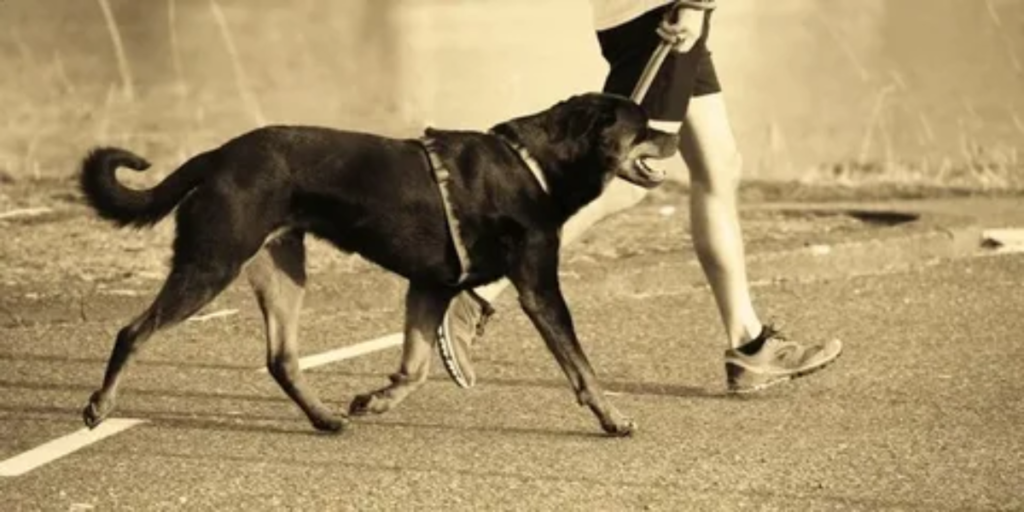
Commands such as Come, Stay, and Leave It can prevent dangerous situations. A reliable recall can stop your dog from running into traffic, while “Leave It” can prevent them from eating harmful objects.
Strengthens Communication
Dogs do not naturally understand human language. Training establishes a clear communication system that helps your dog understand your expectations and respond appropriately.
Builds Confidence
Dogs thrive when they have clear boundaries and routines. Consistent training reduces confusion and helps build confidence in unfamiliar situations.
Reduces Behavioral Problems
Many common issues such as barking, jumping, digging, and leash pulling improve when dogs receive regular training and mental stimulation.
Provides Mental Exercise
Physical exercise is important, but mental exercise is equally valuable. Training sessions challenge your dog’s brain and help prevent boredom-related behaviors.
Before You Start Training Your Dog
Successful dog training begins with the right approach.
Use Positive Reinforcement
Positive reinforcement dog training rewards desired behaviors rather than punishing mistakes. This method is widely recommended because it encourages learning while maintaining trust.
Rewards may include:
- Small training treats
- Verbal praise
- Favorite toys
- Affection and attention
When your dog performs the desired behavior, reward them immediately so they understand what they did correctly.
Keep Training Sessions Short
Most dogs learn best through short and focused sessions.
Recommended Schedule:
- 5 to 10 minutes per session
- 2 to 3 sessions daily
- End each session on a positive note
Stay Consistent
Everyone in your household should use the same command words. Using multiple words for the same behavior can confuse your dog and slow progress.
Minimize Distractions
Begin training in a quiet environment before gradually introducing distractions such as parks, sidewalks, and other dogs.
Be Patient
Every dog learns at their own pace. Some commands may be mastered within days, while others require several weeks of consistent practice.
The 10 Basic Dog Commands Every Dog Should Know

These essential dog commands form the foundation of effective obedience training.
1. Sit
The “Sit” command is often the first command taught to dogs because it is simple, practical, and useful in everyday situations.
Why It Matters
- Helps prevent jumping
- Encourages calm behavior
- Creates focus during training
- Builds the foundation for advanced commands
How to Teach Sit
- Hold a treat close to your dog’s nose.
- Slowly move the treat upward.
- As your dog’s head follows the treat, their rear will naturally lower.
- Once they sit, say “Sit.”
- Immediately reward and praise.
Training Tip
Practice before meals, walks, or playtime to reinforce the behavior naturally.
2. Stay
The “Stay” command teaches patience, impulse control, and self-discipline.
Why It Matters
- Improves safety
- Prevents door dashing
- Helps during grooming and veterinary visits
- Encourages calm behavior around distractions
How to Teach Stay
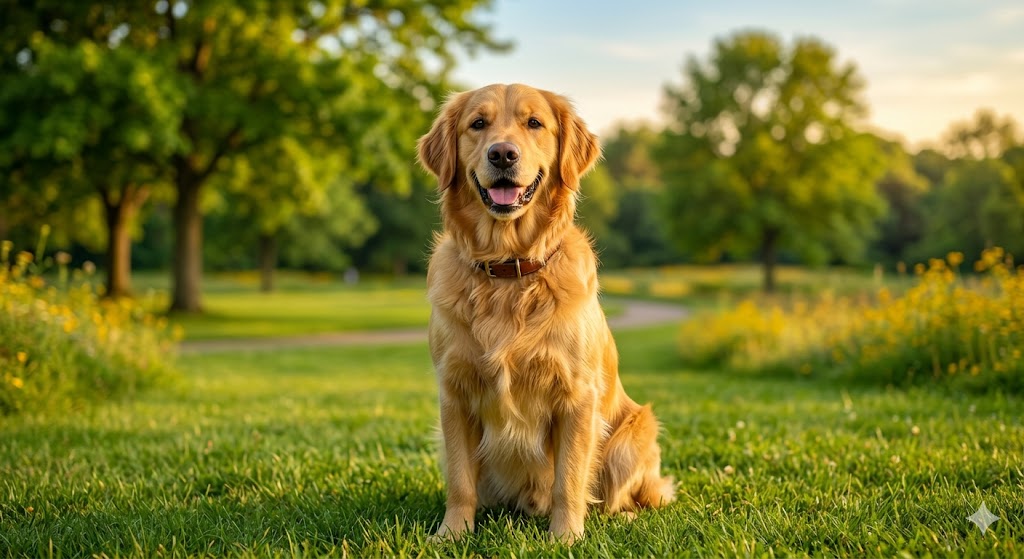
- Ask your dog to sit.
- Hold your palm toward them.
- Say “Stay.”
- Take one step backward.
- Reward if they remain in position.
- Gradually increase distance and duration.
Training Tip
Never rush this command. Increase difficulty slowly to build reliability.
3. Come
The recall command may be the most important command your dog ever learns.
Why It Matters
- Can prevent accidents
- Improves off-leash reliability
- Essential during emergencies
- Strengthens trust and communication
How to Teach Come
- Begin in a distraction-free area.
- Move a short distance away.
- Say your dog’s name followed by “Come.”
- Reward generously when they reach you.
- Gradually increase distance and distractions.
Important Reminder
Never punish a dog after they come when called. You want your dog to associate the command with positive experiences.
4. Down
The “Down” command teaches your dog to lie calmly on the ground.
Why It Matters
- Promotes relaxation
- Helps control excitement
- Useful in public places
- Builds impulse control
How to Teach Down
- Ask your dog to sit.
- Hold a treat near their nose.
- Slowly lower the treat to the floor.
- Move the treat outward.
- Reward when they lie down completely.
5. Leave It
“Leave It” teaches your dog to ignore something they should not touch.
Why It Matters
- Prevents dangerous ingestion
- Stops unwanted chewing
- Improves impulse control
How to Teach Leave It
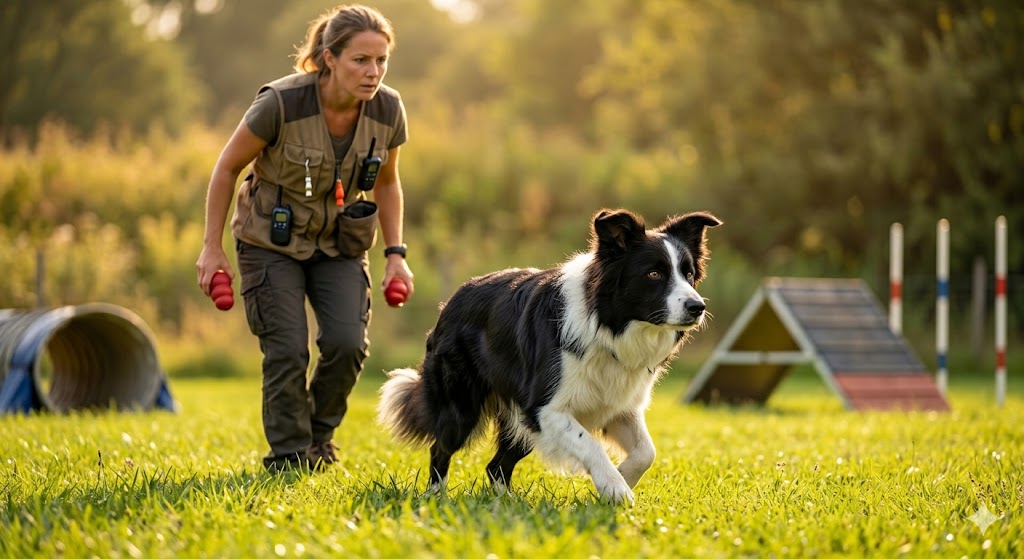
- Hold a treat in a closed hand.
- Allow your dog to investigate.
- Wait until they stop trying to get it.
- Say “Leave It.”
- Reward with a different treat.
Teaching “Leave It” can help prevent your dog from eating harmful items that may cause digestive problems. If your dog frequently experiences stomach issues, check out our related guide on Dog Vomiting Yellow Bile in the Morning:
https://dogpulse.blog/dog-vomiting-yellow-bile-in-the-morning/