Introduction
Choosing the best service dog breeds is one of the most important decisions a person with a disability can make. The right breed can transform daily life — restoring independence, reducing anxiety, and providing a level of support that no medication or device can replicate. Whether you’re looking for a guide dog, a diabetic alert dog, a psychiatric service dog, or a mobility assistance dog, breed matters more than most people realize.
Service dogs are legally defined under the Americans with Disabilities Act (ADA) as dogs individually trained to do work or perform tasks for people with disabilities. While technically any breed can become a service dog, some breeds are far better suited to the demands of this life-changing role. In this guide, you’ll learn which breeds consistently rise to the top, why they excel, and how to match the right dog to your specific needs.
Quick Answer
The best service dog breeds include the Labrador Retriever, Golden Retriever, German Shepherd, Standard Poodle, Border Collie, Bernese Mountain Dog, Great Dane, Boxer, Cavalier King Charles Spaniel, and Belgian Malinois. The top three — Labs, Goldens, and German Shepherds — dominate most professional service dog programs due to their unmatched combination of intelligence, trainability, temperament, and physical ability.
Key Takeaways
- Labrador Retrievers are the most popular service dog breed in the United States
- German Shepherds excel in roles requiring alertness, quick decision-making, and scent-based tasks
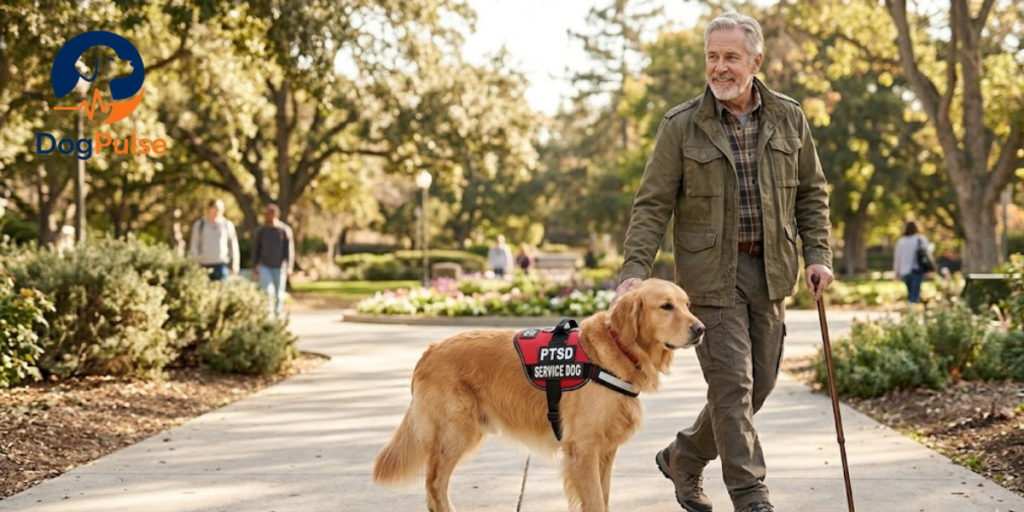
- Golden Retrievers are the top choice for psychiatric service dogs and PTSD support
- Standard Poodles are the best option for handlers with pet allergies
- Breed is not the only factor — individual temperament, health, and training matter just as much
- Under the ADA, no breed is legally excluded from service dog work
- Service dogs are different from emotional support animals and therapy dogs
Table of Contents
- What Is a Service Dog?
- Service Dogs vs. Emotional Support Animals: Key Differences
- What Makes a Dog Good for Service Work?
- The 10 Best Service Dog Breeds (Ranked and Reviewed)
- Best Breeds by Type of Service Dog Role
- Common Mistakes When Choosing a Service Dog Breed
- Expert Tips for Selecting the Right Service Dog
- How to Get a Service Dog
- ADA Laws and Your Rights
- FAQ: 8 Most Asked Questions About Service Dog Breeds
- Conclusion
What Is a Service Dog?
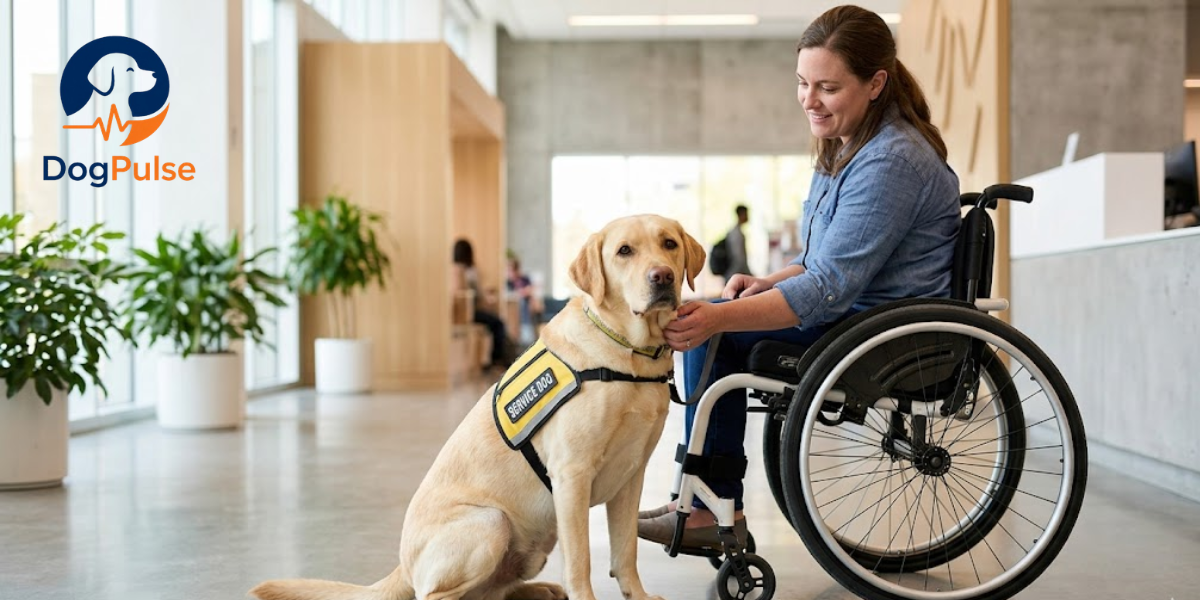
A service dog is a specially trained assistance animal that performs specific tasks to help a person with a physical, sensory, psychiatric, neurological, or other disability. This is not the same as a pet, a therapy dog, or an emotional support animal.
Examples of tasks service dogs perform include:
- Guide work for people who are blind or have low vision
- Hearing alert for people who are deaf or hard of hearing
- Mobility assistance — bracing, retrieving items, opening doors
- Seizure alert or response — alerting before or responding after a seizure
- Diabetic alert — detecting dangerous changes in blood sugar
- Psychiatric support — interrupting self-harm behaviors, grounding during panic attacks, medication reminders
- Allergen detection for individuals with severe allergies
According to the American Kennel Club (AKC), the best service dogs are smart, have stable temperaments, and are specifically bred to maintain traits like focus, reliability, and calmness under pressure.
Service Dogs vs. Emotional Support Animals: Key Differences
This is one of the most commonly misunderstood topics in the service dog world. Here is a clear breakdown:
| Feature | Service Dog | Emotional Support Animal | Therapy Dog |
|---|---|---|---|
| Legal protection under ADA | Yes | No | No |
| Allowed in all public places | Yes | No | No |
| Requires specific task training | Yes | No | No |
| Requires a letter from a doctor | No | Yes | No |
| Housing protections (FHA) | Yes | Yes | No |
| Airline travel protections | Yes | Limited | No |
A service dog must be trained to perform a specific task directly related to a handler’s disability. Emotional support animals provide comfort by their presence alone, but they do not qualify under the ADA’s definition of a service animal.
What Makes a Dog Good for Service Work?
Before diving into specific breeds, it’s important to understand what qualities professional service dog trainers look for. According to trainers and organizations like Dogs for Better Lives, the ideal service dog candidate must have:
Intelligence and Trainability
The dog must learn dozens of complex commands, generalize them to new environments, and retain them reliably under stress. Breeds with high working intelligence — not just obedience intelligence — perform best.
Stable, Calm Temperament
A service dog works in crowds, loud spaces, hospitals, airports, and restaurants. A dog that is reactive, fearful, or easily distracted is a safety risk.
Strong Handler Focus
The dog should naturally orient toward and prioritize its handler, even in stimulating environments.
Physical Suitability
Mobility service dogs need size and strength. Psychiatric alert dogs can be smaller. Matching physical traits to the role is critical.
Low Aggression
Resource guarding, dog-reactivity, and stranger-aggression are absolute disqualifiers for service dog work.
Health and Longevity
Hip dysplasia, elbow problems, and inherited conditions shorten a service dog’s working life. Responsible breeding for health is essential.
The 10 Best Service Dog Breeds
1. Labrador Retriever
The Labrador Retriever is the undisputed number one service dog breed in the United States and most of the world. Labs dominate guide dog programs, hearing alert programs, diabetic alert programs, and mobility assistance organizations.
Why Labs excel:
- Extremely high food motivation, which makes training faster and more reliable
- Genuinely friendly and social — does not react aggressively to strangers or other animals
- Strong build allows for physical mobility support tasks
- Thick, weather-resistant coat and athletic build make them adaptable to almost any environment
- Available in three colors (yellow, black, chocolate), with yellow Labs being the most commonly placed in guide dog programs
Best for: Guide dogs, hearing dogs, seizure alert dogs, diabetic alert dogs, mobility assistance dogs, psychiatric service dogs
Size: Males 65–80 lbs, Females 55–70 lbs
Potential challenges: Labs can be prone to hip dysplasia and obesity. They also have strong appetites that require careful management.
Expert Tip: When selecting a Lab for service work, look for dogs bred specifically from working or field lines rather than show lines. Working-line Labs tend to have better focus, drive, and durability for long service careers.
2. Golden Retriever
The Golden Retriever is the ultimate therapy and psychiatric service dog. Their emotional sensitivity — the ability to sense shifts in their handler’s mood and respond appropriately — is almost unmatched in the dog world.
Why Goldens excel:
- Deeply empathetic and emotionally attuned to humans
- Extremely patient, gentle, and forgiving — ideal for handlers who may be in crisis
- Highly trainable and eager to please
- Calm in public settings, even when approached or touched by strangers
- Excellent with children, making them ideal for families
Best for: Psychiatric service dogs, PTSD service dogs, therapy dogs, guide dogs, seizure alert dogs
Size: Males 65–75 lbs, Females 55–65 lbs
Potential challenges: Goldens shed heavily and require regular grooming. They are also prone to certain cancers, so health screening from breeders is important.
3. German Shepherd
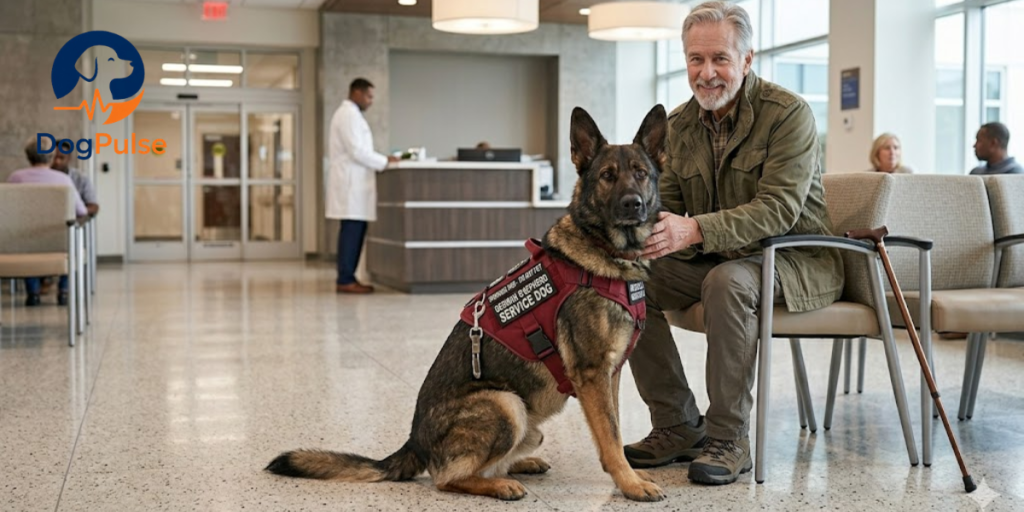
The German Shepherd Dog (GSD) is one of the most versatile working dogs ever bred. They have served as police dogs, military dogs, search and rescue dogs, and service dogs for over a century. Their combination of intelligence, loyalty, and trainability is legendary.
Why German Shepherds excel:
- Exceptionally high intelligence — capable of learning and retaining complex task chains
- Naturally protective instincts make them ideal for handlers who need a dog that stays alert
- Powerful scent ability makes them excellent diabetic alert and seizure alert dogs
- Large, sturdy build is excellent for mobility support
- Deep bond with their primary handler
Best for: Mobility assistance, guide dogs, diabetic alert dogs, hearing dogs, psychiatric service dogs for anxiety
Size: Males 65–90 lbs, Females 50–70 lbs
Potential challenges: German Shepherds require significantly more mental and physical stimulation than Labs or Goldens. They may be aloof with strangers, which requires careful socialization.
4. Standard Poodle
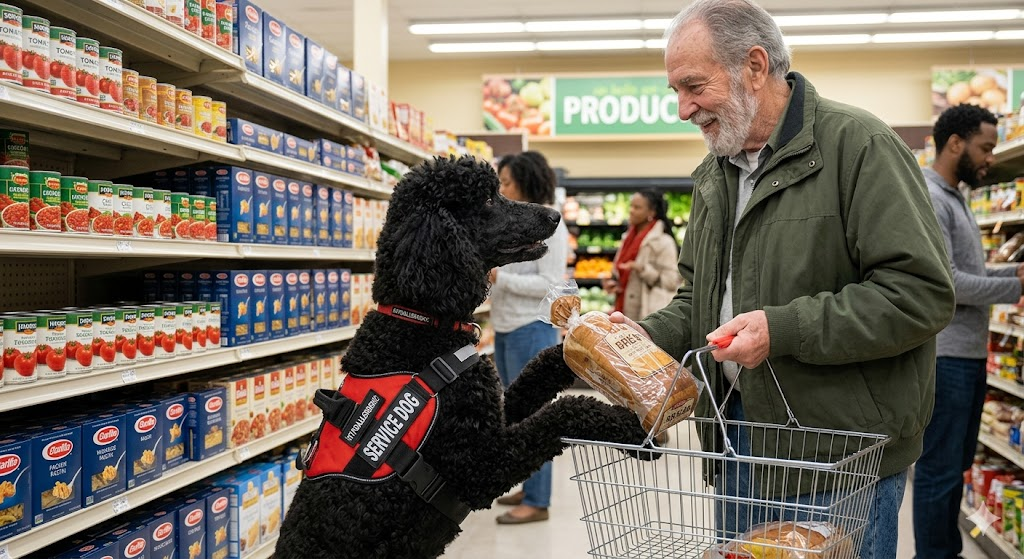
Standard Poodles are consistently underestimated in service dog discussions, but professionals know the truth: Poodles are among the smartest and most trainable dogs on earth.
Why Poodles excel:
- Ranked as the second most intelligent dog breed by canine psychologist Stanley Coren
- Hypoallergenic, low-shedding coat — the only large service dog breed truly suitable for handlers with dog allergies
- Athletic and physically capable of complex tasks
- Highly adaptable — transitions smoothly between active work and calm home environments
- Available in multiple sizes (Miniature Poodles are used for psychiatric service work)
Best for: Hearing dogs, guide dogs, psychiatric service dogs, diabetic alert dogs — especially for handlers with allergies
Size: Over 15 inches tall, typically 45–70 lbs for Standard
Potential challenges: Poodles require regular professional grooming. They are also highly sensitive and can develop anxiety if not given adequate mental stimulation.
5. Border Collie
Border Collies are the most intelligent dog breed in the world by most measures. Their problem-solving ability, focus, and work ethic make them formidable service dogs — but they come with a significant caveat.
Why Border Collies excel:
- Exceptional intelligence and problem-solving ability
- Intense focus — when working, they are nearly impossible to distract
- Excel in roles requiring complex decision-making
Best for: Psychiatric service dogs (especially for handlers who can provide high daily exercise), seizure response dogs
Size: 30–55 lbs
Potential challenges: Border Collies require 2+ hours of vigorous exercise and mental stimulation daily. Without it, they develop serious behavioral problems. They are not suitable for sedentary handlers or those with mobility challenges.
6. Bernese Mountain Dog
The Bernese Mountain Dog is a gentle giant that excels in mobility assistance roles. Their calm, patient demeanor and substantial size make them excellent brace dogs.
Why Bernese Mountain Dogs excel:
- Calm, affectionate temperament — rarely reactive or excitable
- Large, strong build capable of supporting adult weight
- Deeply loyal and devoted to their handler
- Gentle enough for use in pediatric settings and with young handlers
Best for: Mobility assistance dogs, brace and balance dogs, PTSD service dogs
Size: Males 80–115 lbs, Females 70–95 lbs
Potential challenges: Bernese Mountain Dogs have a shorter average lifespan (7–10 years) compared to other service breeds, which shortens their working career. They also shed heavily.
7. Great Dane
Despite their intimidating size, Great Danes are known for their gentle, calm demeanor. They are sometimes called “gentle giants,” and that reputation is well-earned.
Why Great Danes excel:
- Exceptionally large size makes them ideal for physical mobility support, including weight-bearing assistance
- Naturally calm and even-tempered — very rarely reactive in public
- Strong bonding tendency makes them devoted working partners
- Well-behaved in public and comfortable in crowds
Best for: Mobility assistance, brace dogs for individuals with balance disorders
Size: Males 140–175 lbs, Females 110–140 lbs
Potential challenges: Great Danes have a very short lifespan (6–8 years), which is a significant drawback for service dog work. Their size also means higher food and veterinary costs.
8. Boxer
Boxers are often overlooked as service dogs, but they are friendly, focused, and surprisingly gentle — particularly with children and in clinical environments.
Why Boxers excel:
- Naturally friendly and non-aggressive with strangers
- Strong focus on their handler
- Comfortable in busy public spaces like malls, airports, and hospitals
- Excellent temperament for PTSD service work and anxiety support
Best for: Psychiatric service dogs, PTSD service dogs, mobility assistance
Size: Males 65–80 lbs, Females 50–65 lbs
Potential challenges: Boxers can be stubborn, which requires experienced, consistent training. They are also a brachycephalic (short-nosed) breed, which can cause breathing issues in hot weather or high-exercise situations.
9. Cavalier King Charles Spaniel
For handlers who need a smaller service dog — often for psychiatric or sensory roles — the Cavalier King Charles Spaniel is one of the best options available.
Why Cavaliers excel:
- Extremely emotionally sensitive and attuned to human feelings
- Compact size makes them ideal for apartment living and travel
- Gentle and non-threatening in clinical environments
- Excellent for psychiatric service work — PTSD, anxiety, mood disorders
Best for: Psychiatric service dogs, comfort and grounding tasks, anxiety alert dogs
Size: 12–18 lbs
Potential challenges: Cavaliers are prone to serious heart conditions (mitral valve disease) and syringomyelia. Thorough health screening from reputable breeders is essential.
10. Belgian Malinois
The Belgian Malinois is the high-performance sports car of service dogs. Used extensively by military and police forces worldwide, the Malinois is capable of extraordinary precision and focus — in the right hands.
Why Belgian Malinois excel:
- Extraordinary intelligence and drive
- Exceptional scent detection for diabetic alert and seizure alert work
- Fast learners — reach full working proficiency faster than most breeds
- Intensely bonded to their primary handler
Best for: Diabetic alert, seizure alert, high-intensity psychiatric service work for experienced handlers
Size: Males 60–80 lbs, Females 40–60 lbs
Potential challenges: The Belgian Malinois is not suitable for most handlers. They require several hours of intense daily exercise, expert-level training, and an experienced owner. Inexperienced handling of a Malinois often leads to behavioral problems. This breed is recommended only for experienced dog owners or those working with professional trainers.
Best Breeds by Type of Service Dog Role
| Service Dog Role | Best Breeds |
|---|---|
| Guide Dog (Visually Impaired) | Labrador Retriever, Golden Retriever, German Shepherd |
| Hearing Alert Dog | Labrador Retriever, Standard Poodle, Cocker Spaniel |
| Mobility Assistance Dog | German Shepherd, Bernese Mountain Dog, Great Dane, Golden Retriever |
| Diabetic Alert Dog | Labrador Retriever, German Shepherd, Belgian Malinois |
| Seizure Alert / Response Dog | Labrador Retriever, Golden Retriever, Standard Poodle |
| Psychiatric Service Dog (PSD) | Golden Retriever, Labrador Retriever, Standard Poodle, Cavalier King Charles |
| PTSD Service Dog | Golden Retriever, Labrador Retriever, Boxer |
| Autism Assistance Dog | Labrador Retriever, Golden Retriever |
| Allergen Detection Dog | Labrador Retriever, German Shepherd, Beagle |
Best Breeds for Specific Handlers
Best service dog breeds for anxiety
Golden Retrievers and Standard Poodles consistently rank as the top breeds for anxiety-related psychiatric service work. Their calm, grounding presence and ability to recognize stress cues early — and interrupt them with trained tasks like deep pressure therapy — make them ideal.
Best service dog breeds for PTSD
According to organizations working with veterans, Golden Retrievers are the most commonly placed breed for PTSD support due to their deep emotional attunement. German Shepherds and Labrador Retrievers are close behind, particularly for veterans who prefer a more alert, protective companion.
Best small service dog breeds
For handlers who need a smaller dog due to living space, travel requirements, or personal preference, the Cavalier King Charles Spaniel, Miniature Poodle, and Papillon are the top options. The Miniature Poodle retains all the intelligence and trainability of the Standard in a much smaller body.
Best hypoallergenic service dog breeds
The Standard Poodle and Miniature Poodle are the gold standard for handlers with dog allergies. Their non-shedding coat produces far less dander than most breeds.
Common Mistakes When Choosing a Service Dog Breed
Choosing based on appearance rather than temperament. Many people choose breeds they find attractive — Huskies, Dalmatians, Chow Chows — without realizing these breeds are among the hardest to train for service work and often have temperaments that make reliable service performance difficult.
Underestimating exercise requirements. A Border Collie or Belgian Malinois with a sedentary handler is a recipe for behavioral problems and early burnout.
Ignoring health screenings. Great Danes and Bernese Mountain Dogs have short lifespans. Cavaliers are prone to heart disease. Choosing a breed without researching its health profile means potentially losing a service dog in 6–8 years rather than 10–12.
Assuming any individual dog of the right breed will work. Even among the best service dog breeds, a significant percentage of individual dogs wash out of training. Temperament testing, health clearances, and professional assessment are essential.
Confusing “smart” with “trainable.” Siberian Huskies are intelligent, but they are independent thinkers who rarely prioritize their handler’s commands over their own instincts. Intelligence alone does not equal suitability for service work.
Expert Tips for Selecting the Right Service Dog
Tip 1: Work with an Assistance Dogs International (ADI) accredited organization whenever possible. These programs meet rigorous standards for training, placement, and aftercare.
Tip 2: If owner-training a service dog, start with a puppy from health-tested parents with working dog backgrounds — not a show line or backyard breeder.
Tip 3: Temperament-test puppies at 7–8 weeks old using the Volhard Puppy Aptitude Test. Service dog candidates should score in the middle — not too dominant, not too submissive.
Tip 4: Consider adopting an adult dog from a reputable rescue. Adult dogs have fully developed temperaments, making it easier to assess suitability before committing to training.
Tip 5: If you need a specific type of task — like diabetic alert work — consult a trainer who specializes in that specific task type. Not every trainer has experience with scent detection work.
If you’re already working on foundational obedience with your dog, our guide on how to train a dog to heel is a great starting point before moving to advanced service tasks.
How to Get a Service Dog
There are three main pathways to obtaining a service dog in the United States:
1. Apply to a Non-Profit Service Dog Organization
Organizations like Canine Companions, Guide Dogs for the Blind, and Dogs for Better Lives breed, raise, and train service dogs and then place them with qualified applicants. Wait times are often 1–3 years, but dogs are provided at little to no cost.
2. Purchase from a For-Profit Service Dog Trainer
Professional service dog trainers can match you with a dog and train it to your specific needs. Costs typically range from $15,000 to $50,000.
3. Owner-Train Your Service Dog
Under the ADA, individuals with disabilities have the legal right to train their own service dog. This requires significant time, consistency, and ideally, professional guidance. Owner-training a rescue dog is also an option. Our complete rescue dog training guide can help you understand the foundational steps of building trust and reliability with a dog that has an unknown history.
ADA Laws and Your Rights
Under the Americans with Disabilities Act:
- Service dogs are allowed in all public places — restaurants, hotels, stores, hospitals, schools, and transportation.
- No business can ask for documentation or proof of disability. The only two questions a business may legally ask are: (1) “Is this a service animal required because of a disability?” and (2) “What work or task has the dog been trained to perform?”
- No breed restrictions apply to service dogs. Even breeds banned by local ordinances — Pit Bulls, Rottweilers, Dobermans — cannot be excluded if they are trained service dogs.
- Service dogs do not require vests, patches, or identification. These accessories are voluntary.
For more detailed legal guidance, the AVMA’s resource on assistance animals provides excellent clarity.
To understand the broader health and nutritional needs of highly active working dogs like service animals, explore our dog health guides for expert-backed advice on keeping your dog in peak condition.
Safety Considerations for Service Dog Handlers
- Always ensure your service dog is up to date on vaccinations and has regular veterinary checkups. The American Veterinary Medical Association (AVMA) provides guidelines on preventive care for working dogs.
- Working dogs need rest. Service dogs typically work for 8–10 years. Proper nutrition, regular health screening, and appropriate retirement planning are part of responsible ownership.
- Do not pet a working service dog without asking the handler. Distracting a service dog can be dangerous for the handler.
- Monitor your service dog for signs of stress or burnout. Excessive panting, yawning, turning away, or declining to perform known tasks can indicate a dog that needs a break, retraining, or retirement.
FAQ: Best Service Dog Breeds

What is the number one service dog breed?
The Labrador Retriever is consistently ranked as the most popular and widely used service dog breed in the United States. Their combination of trainability, temperament, physical ability, and social nature makes them the go-to choice for guide dog organizations, hearing programs, and diabetic alert programs.
Can any breed be a service dog?
Technically yes — the ADA does not restrict service dog work to any specific breed. However, not every breed is temperamentally or physically suited to the demands of service work. The breeds in this guide are the ones that consistently perform best across professional programs.
What is the easiest breed to train as a service dog?
Labrador Retrievers and Golden Retrievers are considered the easiest breeds to train for service work due to their high food motivation, eagerness to please, and naturally stable temperaments.
Are female or male dogs better as service dogs?
Both sexes perform equally well as service dogs. The choice often comes down to the specific program’s preferences. Some programs prefer females because they are slightly smaller and often mature faster behaviorally.
How long does it take to train a service dog?
Professional service dog training typically takes 18 months to 2 years from puppyhood to full public access readiness. Some specialized tasks — like diabetic alert or seizure alert — may take additional training.
What is the difference between a service dog and a therapy dog?
A service dog is trained to perform specific tasks for one person with a disability and has full public access rights under the ADA. A therapy dog visits multiple people in hospitals, schools, or care facilities to provide comfort. Therapy dogs do not have public access rights.
Can I train my own service dog?
Yes. The ADA allows individuals with disabilities to train their own service dogs. There is no legal requirement to use a professional trainer, but working with one significantly improves outcomes. The ASPCA provides general resources on positive reinforcement training that can serve as a foundation.
What is the best service dog breed for a senior citizen?
For older adults or those with limited mobility, Golden Retrievers and Labrador Retrievers are top recommendations. They are gentle, not overly excitable, and adaptable to lower-activity households. Cavalier King Charles Spaniels are excellent for seniors in apartments or smaller living spaces.
Are Pit Bulls good service dogs?
With proper training, Pit Bulls can make excellent service dogs. They are intelligent, loyal, and physically capable. They are legally protected as service animals under the ADA even in areas with breed-specific legislation. However, finding training programs that work with Pit Bulls can be more challenging.
Conclusion
Selecting the right service dog breed is about matching intelligence, temperament, physical ability, and lifestyle — not just picking the most popular dog on a list. The Labrador Retriever, Golden Retriever, and German Shepherd dominate service dog programs worldwide for very good reasons. For handlers with allergies, the Standard Poodle is unrivaled. For psychiatric and emotional support roles, the Golden Retriever and Cavalier King Charles Spaniel shine.
The most important thing to remember is that within any breed, individual temperament and quality training matter most. A well-bred, well-trained Labrador Retriever will outperform a poorly bred German Shepherd every time.
If you’re considering a service dog, start by consulting with an accredited assistance dog organization, a qualified trainer, and your healthcare provider. The right service dog can genuinely change your life — but only when the match between dog and handler is right.
Ready to learn more about training dogs with purpose and intelligence? Explore our Border Collie training guide for a deep look at how one of the world’s smartest breeds is trained to its fullest potential.