
Your dog just came home from surgery and won’t touch their food. It’s scary to watch — but in most cases, it’s completely normal for the first 12 to 24 hours. Anesthesia suppresses appetite, and your dog’s digestive system needs time to recover. The concern kicks in if they still refuse food after 48 to 72 hours, or if other symptoms appear alongside the refusal.
Here’s what’s actually happening, when to worry, and how to help.
Why Dogs Stop Eating After Surgery
Anesthesia lingering in their system
Anesthesia is the most common reason dogs don’t eat after surgery. It affects the central nervous system, slows gut motility, and causes nausea — the same way many people feel queasy after going under. Most dogs feel the effects for 12 to 24 hours post-op, sometimes longer depending on the type of procedure and the dog’s age and size.
Dr. Jennifer Coates, DVM, notes that post-anesthetic nausea is one of the most underrecognized causes of appetite loss in surgical recovery patients. Older dogs and smaller breeds tend to take longer to clear anesthesia from their system.
Pain and discomfort
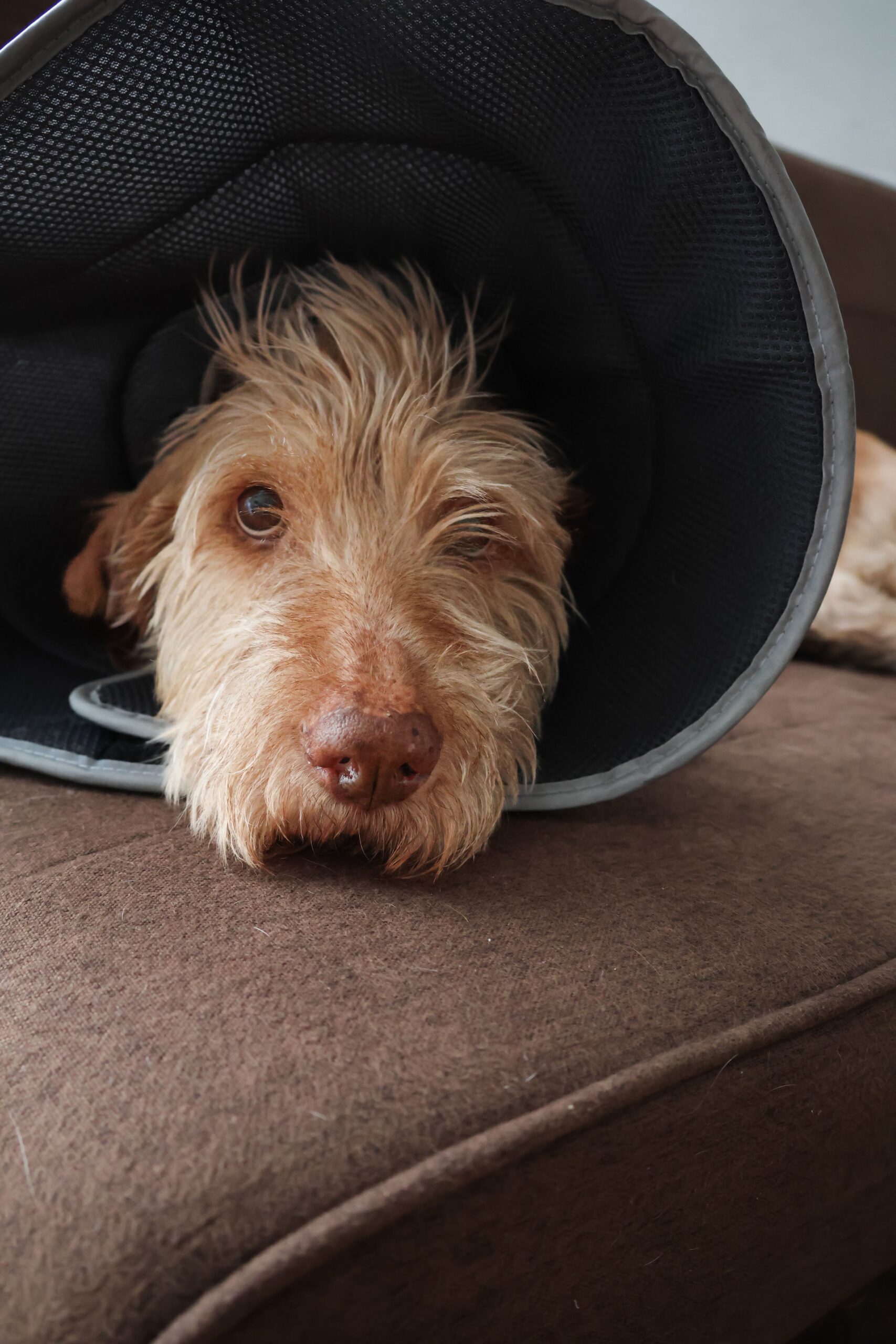
Even with pain medication, your dog feels the surgery site. Pain signals the body to conserve energy, which suppresses hunger. Dogs also connect discomfort with their last experience — if eating triggers nausea or stomach cramping, they’ll avoid the bowl.
Medication side effects
Common post-surgery medications cause appetite changes:
- NSAIDs (like carprofen or meloxicam) can cause stomach upset, especially without food
- Opioids slow digestion and cause nausea
- Antibiotics disrupt gut bacteria and reduce appetite
If your vet prescribed NSAIDs, this is actually one reason they often instruct you to get food in your dog before the dose — even a small amount helps.
Stress and disorientation
The hospital stay, unfamiliar smells, the cone of shame, and the disruption to their routine all increase cortisol. High stress suppresses appetite. Some dogs simply need a day to decompress before they feel comfortable enough to eat.
Day-by-Day: What’s Normal and What Isn’t
| Day | Expected behavior | When to call the vet |
|---|---|---|
| Day 1 (surgery day) | Not eating is completely normal | Vomiting more than twice, extreme lethargy |
| Day 2–3 | May start sniffing food, small bites possible | Complete refusal with no interest at all |
| Day 4–5 | Should be eating at least 50% of normal amount | Still refusing food entirely — how long can a dog go without eating after surgery |
| Week 2 | Appetite mostly back to normal | Still significantly below normal intake |
If your dog is dog not eating but drinking water, that’s actually a reassuring sign — it means they’re hydrated and the digestive shutdown is likely temporary.
Dog Not Eating 2–3 Days After Surgery
Two to 3 days is the turning point. Most dogs should show some interest in food by now — even if they’re only eating half their normal portion.
If your dog is at day 3 and still completely refusing food, call your vet. Don’t wait until day 5 to mention it.
What to try first:
Warm the food. Warming wet food to body temperature (around 100°F) releases aroma, which is often what triggers the eating reflex. Dogs rely on smell more than taste.
Offer something gentle. Plain boiled chicken and white rice is the go-to for a reason — it’s bland, easy to digest, and usually appealing even to nauseous dogs. Keep portions small: a few tablespoons every few hours rather than a full bowl.
Syringe feeding. If they won’t eat on their own, your vet may recommend syringe feeding small amounts of recovery food or watered-down wet food. Do not force-feed without vet guidance.
Move the bowl. Some dogs won’t eat near their surgical site (if it’s abdominal) because bending down is uncomfortable. Try raising the bowl.
Dog Not Eating 5 Days After Surgery
Five days without eating is serious. At this point, the body starts pulling energy from muscle tissue, which slows healing and weakens the immune response. A dog that hasn’t eaten meaningfully in 5 days needs a vet visit, not home remedies.
Your vet may:
- Check for post-surgical complications (infection, ileus, internal issues)
- Prescribe appetite stimulants like mirtazapine or maropitant
- Recommend a prescription recovery food
- Rule out pain that’s being undertreated
Don’t wait this one out. Healing requires calories.
Dog Not Eating 2 Weeks After Surgery
Two weeks post-surgery with a dog still refusing food points to an underlying problem. The anesthesia is long gone. At this stage, possible causes include:
- Chronic pain that wasn’t adequately treated
- A post-surgical complication (infection, seroma, or internal issue)
- A separate condition unrelated to surgery that developed during recovery
- Depression or behavioral changes from the disruption
If your dog is also dog vomiting after surgery as well as refusing food at the 2-week mark, that combination warrants urgent attention.
What to Feed a Dog Not Eating After Surgery
The goal at this stage isn’t optimal nutrition — it’s getting something in. Once they’re eating, you can focus on recovery-supporting food.
Phase 1: Getting them to eat anything (days 1–3)
- Plain boiled chicken breast (no seasoning)
- White rice
- Plain pumpkin puree (not pie filling)
- Low-sodium bone broth as a topper or syringe food
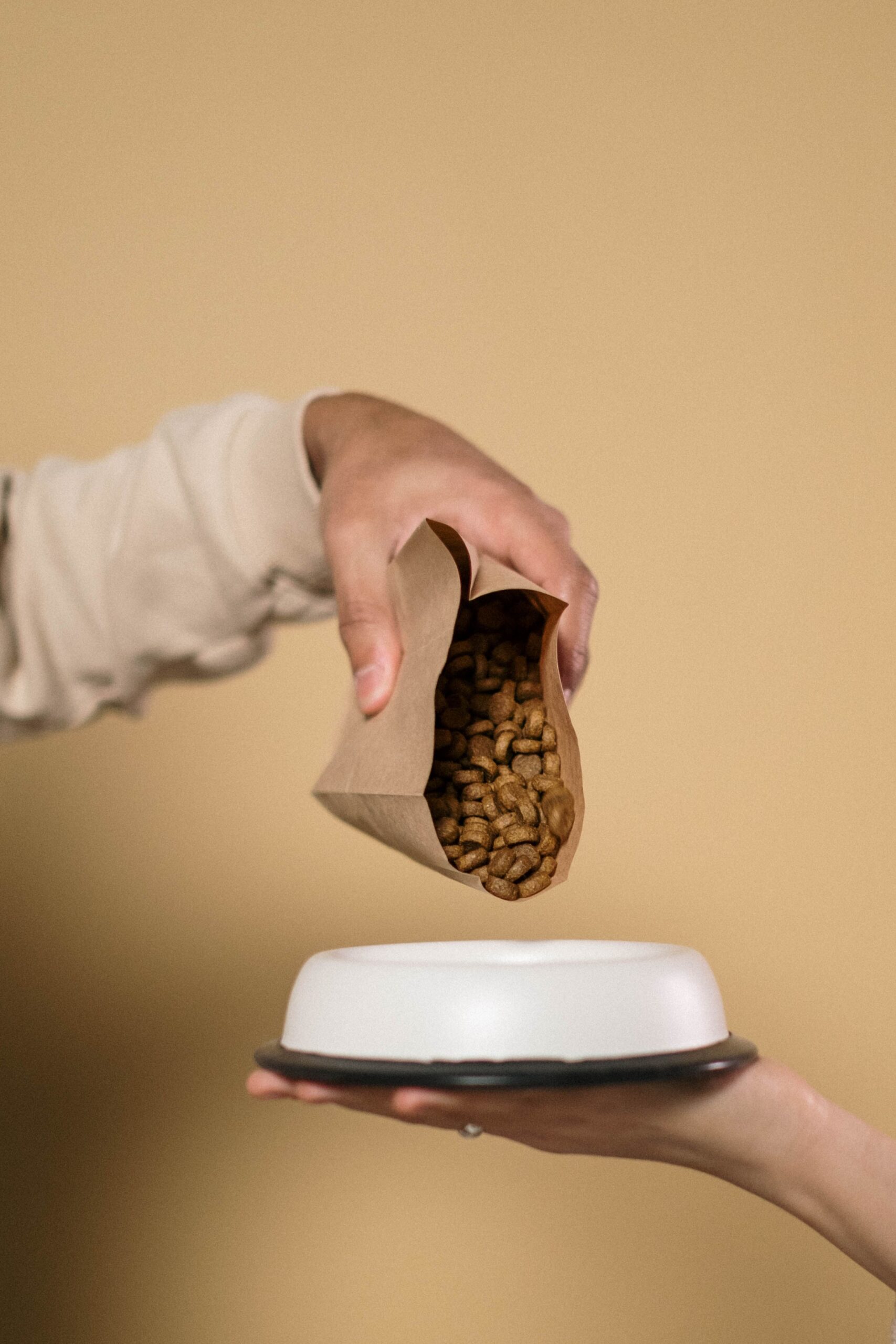
Offer 2 to 3 tablespoons every 3 to 4 hours rather than a full meal.
Phase 2: Recovery nutrition (days 4 onward)
Once they’re eating consistently, shift toward foods that support healing. Protein is the priority — muscle and tissue repair both require it. A gentle limited ingredient food post-surgery works well for dogs with sensitive post-surgery stomachs, since fewer ingredients means less digestive stress.
For dogs who lose weight during recovery, you’ll need a calorie-dense option once appetite returns. Best food for recovery weight gain can help them rebuild what they lost.
What to avoid:
- High-fat foods (can trigger pancreatitis in a weakened digestive system)
- Rich table scraps
- New proteins or foods they’ve never had before
Warning Signs That Need Immediate Vet Attention
Appetite loss alone is manageable. These symptoms alongside it are not:
- Vomiting repeatedly (more than 2 to 3 times)
- Bloated or hard abdomen
- Pale or white gums
- Extreme lethargy — won’t lift their head
- Fever (rectal temp above 103°F)
- Discharge, swelling, or odor from the incision site
- Diarrhea that’s bloody or won’t stop
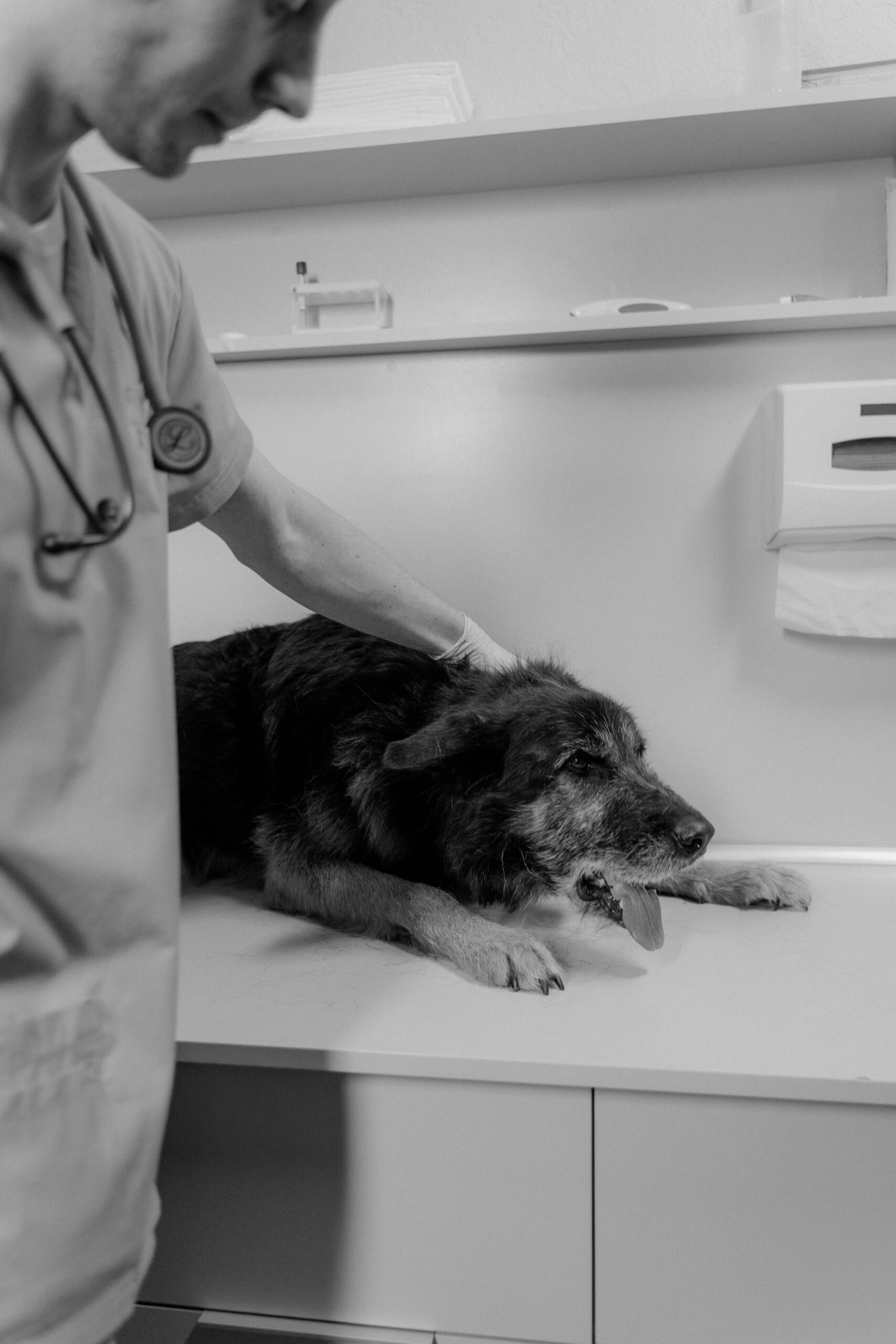
Any one of these combined with food refusal needs a same-day call to your vet or an emergency clinic visit.
Tips to Encourage Eating During Recovery
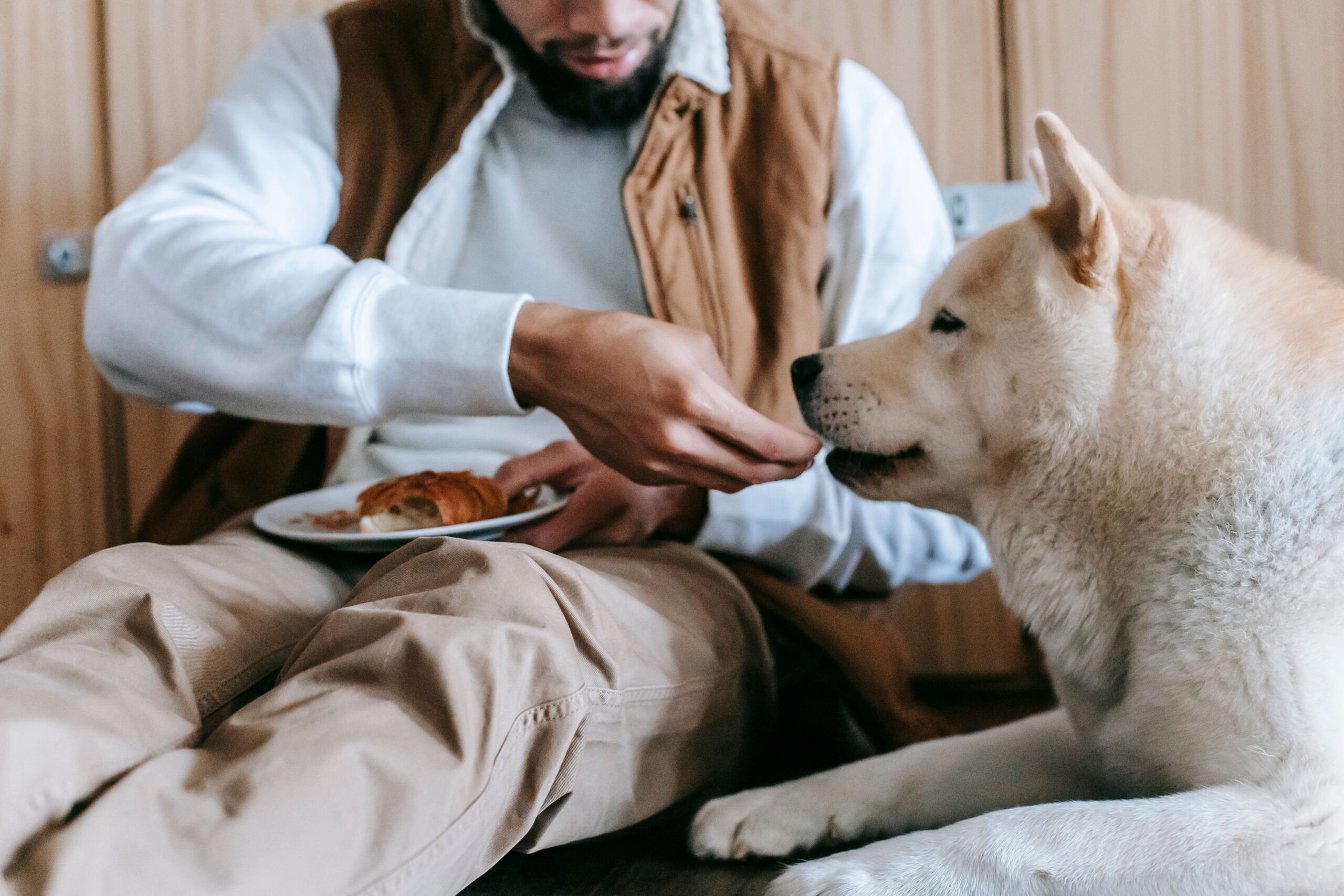
Hand feeding. Sit on the floor, offer small pieces from your hand. For many dogs, eating from their person feels safer when they’re anxious or in pain.
Remove the e-collar temporarily. Some dogs refuse to eat with a cone on because they can’t see the bowl properly or feel claustrophobic. Supervise them carefully without it during meals, then replace it.
Quiet feeding spot. If you have other pets, feed your recovering dog separately. Competition and activity around the bowl add stress during recovery.
Small, frequent meals. A dog with post-surgery nausea won’t handle a full bowl. Three to four small meals beat two large ones.
Patience over pressure. Standing over your dog and encouraging them to eat often backfires — it creates anxiety around the bowl. Put the food down, walk away, check in 20 minutes.
When to Call Your Vet
- Day 1: Expect no eating. Monitor for vomiting.
- Day 2–3: Some refusal is fine; offer bland food, try warming it.
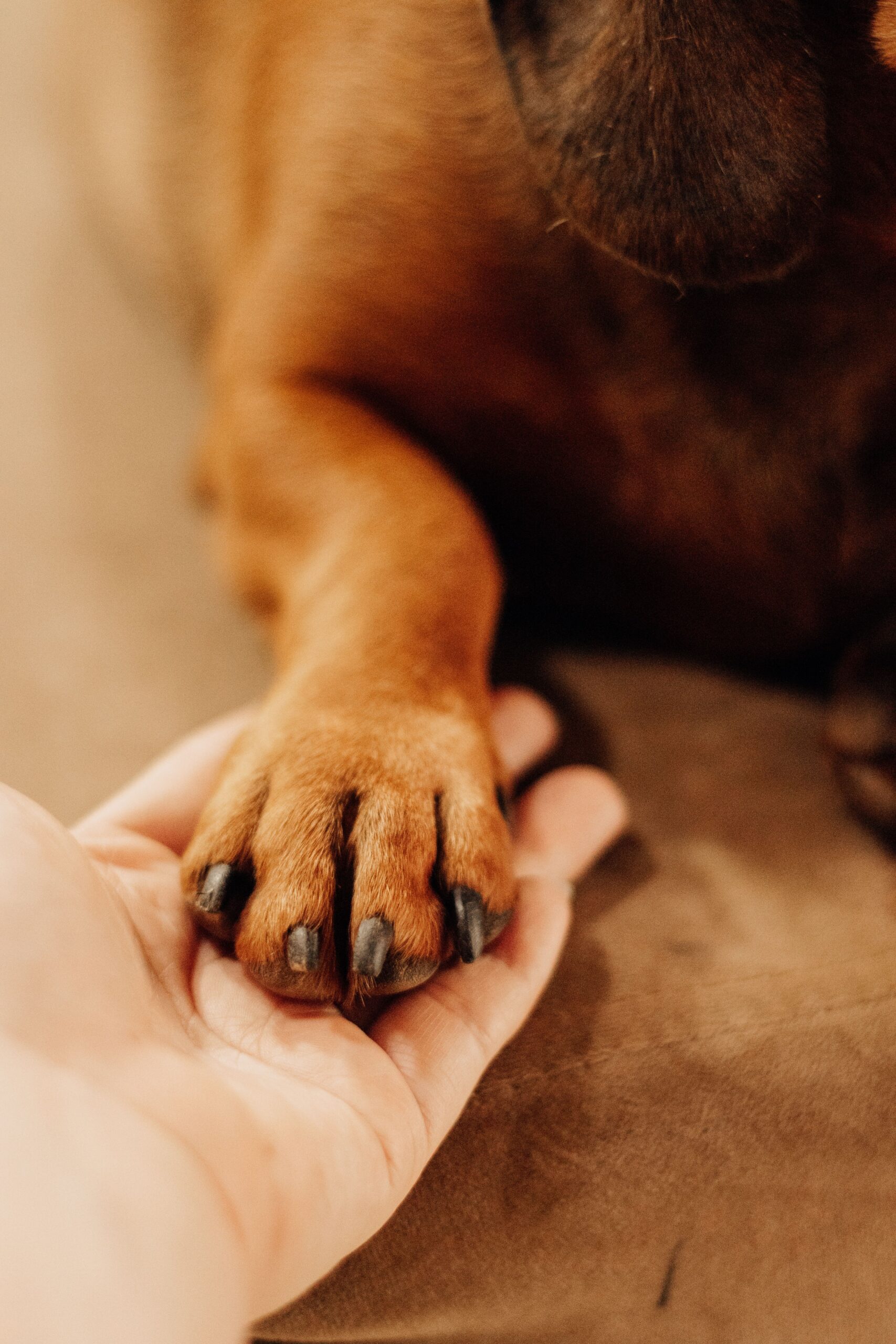
- Day 4–5: Still not eating? Call your vet. Learn exactly how long dogs can safely go without food after surgery.
- Day 5+: Vet visit, not just a call.
- 2 weeks: Something else is going on. Needs full evaluation.
Your dog can’t tell you they’re hurting or nauseous. Not eating is often the clearest signal they have. Take it seriously without panicking — most post-surgery appetite loss resolves on its own with a little time and patience. When it doesn’t, your vet is the right call.
This article is written for informational purposes. Always follow your veterinarian’s specific post-operative care instructions for your dog.