

A dog who skips meals, sniffs the bowl and walks away, or eats only when you hand-feed isn’t being difficult. Something about the food’s texture, smell, or temperature isn’t working for them. Wet dog food fixes this more often than dry food because it’s closer to what a dog’s nose and mouth are built to respond to.
This guide covers why dogs get picky, which wet food traits actually matter, and specific products and feeding methods that work for finicky eaters.
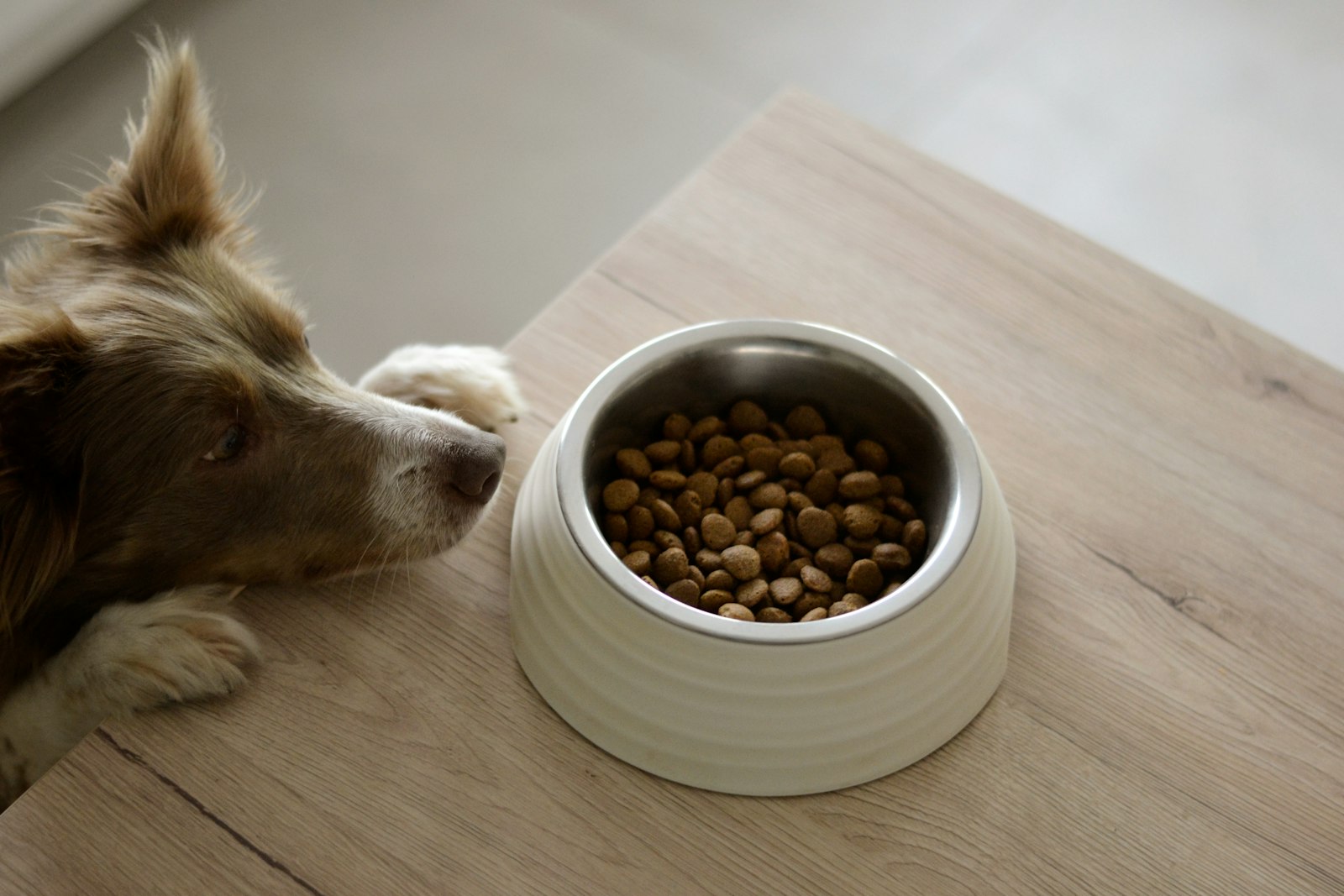
Why some dogs refuse to eat
Dogs rely on smell more than taste. A 2018 study from Tufts University’s Cummings School of Veterinary Medicine found dogs have roughly 300 million olfactory receptors, compared to about 6 million in humans. If a food doesn’t smell strong enough, many dogs won’t bother eating it, even if it’s nutritionally complete.
If your dog has stopped eating entirely rather than just being selective, read why your dog might not be eating but is still drinking water before assuming it’s just pickiness.
Other common causes of picky eating:
- Texture aversion. Some dogs reject pate but eat shredded or chunky food. Others do the opposite.
- Temperature. Cold food straight from the fridge has a weaker smell. Warming it to room temperature releases more aroma.
- Food fatigue. Dogs fed the same product for months sometimes lose interest, even without a health issue.
- Past illness. A dog that got sick after eating a specific food may avoid anything with a similar smell or packaging, a pattern vets call food aversion.
- Dental pain. Older dogs or dogs with mouth issues sometimes refuse food because chewing hurts, not because they dislike the taste.
- Recovery from surgery or illness. A dog recovering from a procedure may refuse food for reasons that have nothing to do with taste. See how long a dog can go without eating after surgery for what’s normal and what’s not.
If a dog suddenly stops eating and shows other symptoms like vomiting, lethargy, or weight loss, that’s a reason to call a vet before changing food.
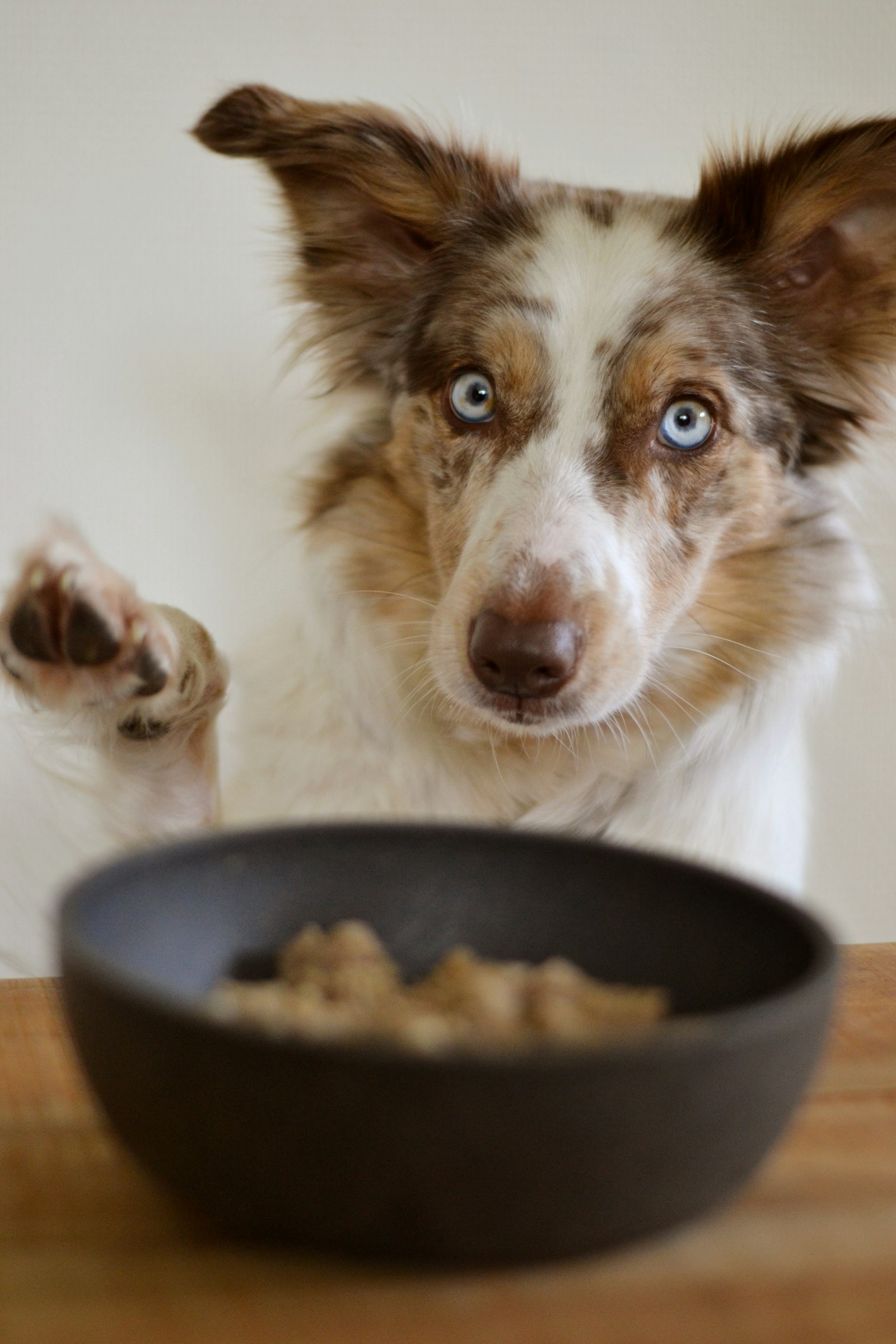
What makes wet food work better for picky eaters
Wet food has 3 advantages dry kibble doesn’t:
- Stronger smell. Higher moisture content carries aroma compounds more effectively.
- Softer texture. Easier on weak teeth or sensitive gums.
- Higher palatability ingredients. Many wet foods include broth, gravy, or organ meat that dry kibble can’t replicate without losing shelf stability.
A 2021 palatability study published in the Journal of Animal Science found dogs consistently preferred wet diets with added animal fat and protein hydrolysates over dry formulations with similar nutrient profiles. Any complete and balanced wet food should also meet AAFCO nutrient profiles for the dog’s life stage.
Wet dog food brands picky eaters respond to
These are common picks among owners dealing with selective eaters, based on ingredient quality and reported acceptance rates.
Weruva Pates and Stews. Limited fillers, high meat content, strong smell. Good for dogs that reject anything with grain or carbohydrate filler.
Wellness CORE Wet. Grain-free, high protein percentage, pate texture. Works well for dogs that prefer smooth food over chunks.
Stella & Chewy’s Wet Pâté. Cage-free poultry or grass-fed meat as the first ingredient. Strong smell profile.
Nulo Freestyle Wet. Higher fat content than most competitors, which increases palatability for dogs with low appetite.
Tiki Dog Aloha Petites. Smaller cans with varied protein sources, useful for rotating flavors without overfeeding.
Check the first 3 ingredients on any can. If it starts with broth or water before naming a protein, the food may smell weak and fail with a picky dog. If your dog also deals with allergies or sensitive digestion alongside picky eating, a limited ingredient diet may solve both problems at once.
For a broader look at dry food options and feeding strategies beyond wet food, see our complete guide to the best dog food for picky eaters.
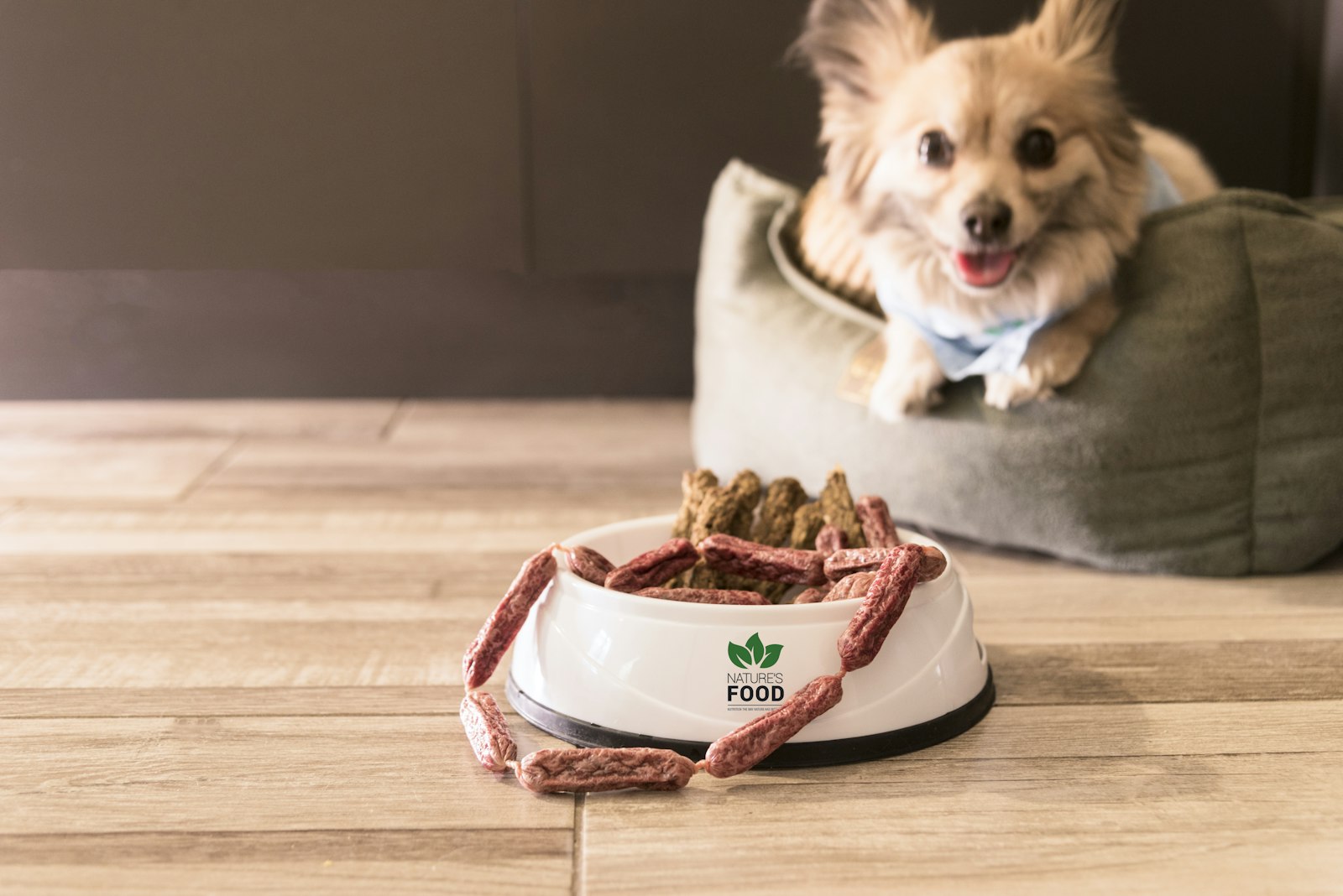
How to introduce wet food to a picky dog
Switching food too fast causes digestive upset and makes a dog more suspicious of new bowls. A slower approach works better:
- Mix a small spoonful of wet food into the dog’s current food for 3 to 4 days.
- Increase the wet food ratio by about 25% every 2 to 3 days.
- Warm the food slightly (10 to 15 seconds in the microwave, stirred well) to release more smell.
- Avoid switching flavors and brands at the same time. Change one variable at a time so you know what worked.
- Remove uneaten food after 20 to 30 minutes instead of leaving it out all day. Free feeding teaches dogs they can wait for something better.
When to add toppers instead of switching food completely
If a dog already eats dry food but needs encouragement, a wet food topper avoids a full diet change. A spoonful of wet food mixed into dry kibble adds smell and moisture without the cost of feeding wet food exclusively. This works particularly well for senior dogs with reduced appetite or dogs recovering from illness.
Common mistakes that make picky eating worse
- Switching foods too often. This trains dogs to wait out a new food because something different always shows up.
- Hand-feeding regularly. Dogs learn that refusing food gets them more attention and better food.
- Adding too many toppers. If every meal gets cheese, broth, or treats added, plain food starts to seem unacceptable by comparison.
- Feeding at inconsistent times. Irregular schedules disrupt hunger cues that drive normal eating behavior.
FAQ
Why does my dog smell food but refuse to eat it?
Usually a smell or texture problem, not the dog refusing food outright. Warming the food or switching texture (pate vs. chunks) often solves it within a few days.
Is wet food better than dry food for picky eaters?
For most picky eaters, yes. Wet food has a stronger smell and softer texture, both of which increase how appealing the food is to a dog relying mainly on scent.
How long can a dog go without eating before it’s a problem?
A healthy adult dog can typically go 24 to 48 hours without serious risk, though this should be confirmed with a vet, especially for puppies, senior dogs, or dogs with existing conditions. Beyond 48 hours, or any sign of lethargy or vomiting, warrants a vet visit.
Can I mix wet and dry food permanently?
Yes. Many owners feed a mixed diet long-term. Just keep portion sizes balanced so the dog gets correct daily calories from both.
My dog is underweight from not eating enough. What should I feed them?
Once your dog is eating consistently again, check our guide to the best dog food for weight gain for calorie-dense options that help rebuild muscle and body condition safely.