

Quick Answer
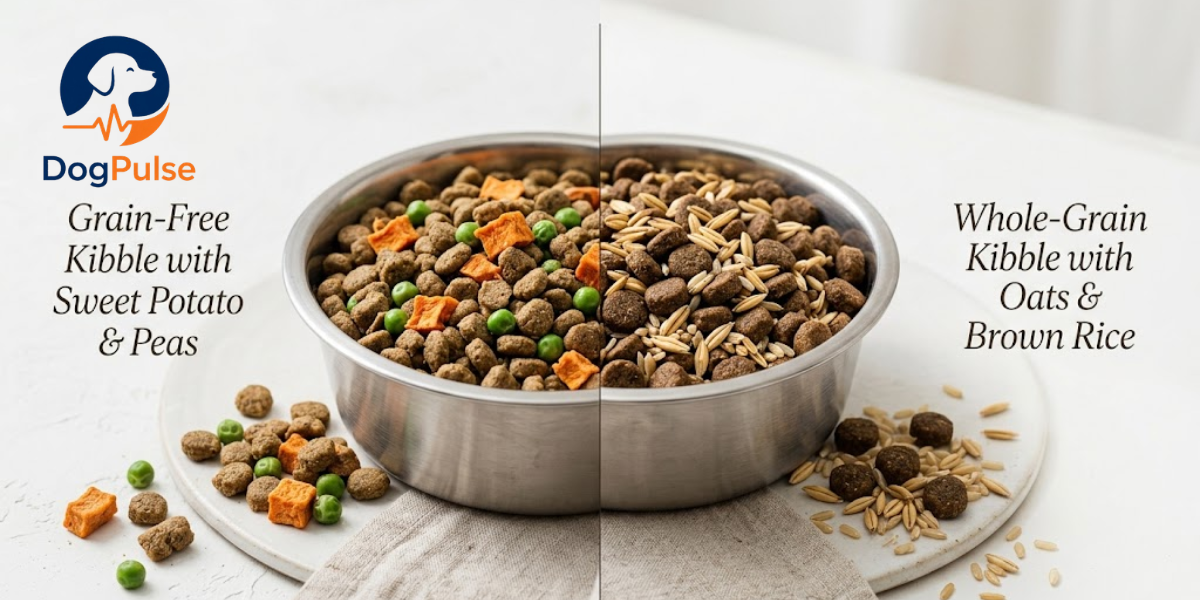
Neither grain-free nor grain-inclusive dog food is automatically “better” — the right choice depends on your individual dog. Grain-inclusive food (with rice, oats, or barley) is well-tested, affordable, and fine for most healthy dogs, since true grain allergies affect less than 1% of dogs. Grain-free food (using potatoes, peas, or lentils instead) can help the small number of dogs with a genuine grain sensitivity, but the FDA investigated a possible link between certain grain-free diets and a heart condition called dilated cardiomyopathy (DCM) between 2018 and 2022. As of December 2022, the FDA closed that investigation without establishing a causal link. For most dogs, a high-quality diet from a reputable manufacturer — grain or grain-free — that meets AAFCO nutritional standards is the safest bet, ideally chosen with your veterinarian’s input.
If your dog has no diagnosed sensitivity, there is no health reason to avoid grains. If your dog has a confirmed grain intolerance or a vet-recommended reason to switch, a well-formulated grain-free diet from an established brand is a reasonable option.
Key Takeaways
- Grain allergies are rare. Fewer than 1 in 100 dogs has a true grain allergy; most food allergies come from animal proteins like beef, dairy, or chicken.
- “Grain-free” does not mean “low-carb.” Grain-free formulas typically swap grains for potatoes, peas, or lentils, which are still carbohydrate sources.
- The DCM/grain-free link was never proven. The FDA ended its investigation in December 2022, citing insufficient data to establish causality.
- AAFCO approval matters more than the grain question. Any diet — grain or grain-free — should carry an AAFCO nutritional adequacy statement.
- Whole grains offer real nutritional benefits, including fiber, B vitamins, and antioxidants, when your dog has no sensitivity to them.
- Talk to your vet before switching, especially if your dog has any heart, digestive, or skin condition.
Table of Contents
- What Is Grain-Free Dog Food?
- What Is Grain-Inclusive Dog Food?
- Grain-Free vs. Grain Dog Food: Side-by-Side Comparison
- Do Dogs Actually Need Grains?
- Grain Allergies vs. Protein Allergies: The Truth
- Grain-Free Dog Food and Heart Disease (DCM): What the Science Says
- Grain-Free vs. Whole Grain Dog Food
- Pros and Cons of Grain-Free Dog Food
- Pros and Cons of Grain-Inclusive Dog Food
- Which Dogs Benefit From Grain-Free Food?
- Which Dogs Benefit From Grain-Inclusive Food?
- How to Switch Your Dog’s Food Safely
- Expert Tips for Choosing the Right Food
- Common Mistakes Pet Owners Make
- Real-Life Examples
- Safety Considerations
- FAQs
- Conclusion
What Is Grain-Free Dog Food? what-is-grain-free-dog-food

Grain-free dog food is any recipe formulated without wheat, corn, rice, barley, oats, or other cereal grains. Instead of grains, these diets rely on alternative carbohydrate sources such as potatoes, sweet potatoes, peas, lentils, or chickpeas to provide energy, texture, and some of the fiber that grains would normally supply.
Grain-free formulas gained popularity in the early 2000s, largely marketed around the idea that dogs are closer to their wild, carnivorous ancestors and don’t need “filler” carbohydrates. Grain-free options exist across nearly every format — dry kibble, wet food, freeze-dried raw, and dehydrated toppers.
It’s worth noting that grain-free is not the same as low-carb, gluten-free, or limited-ingredient. A dog food can be grain-free and still be high in carbohydrates from potatoes or legumes. If your dog has diagnosed food sensitivities and you’re exploring a more targeted approach, a limited ingredient diet is a different — and sometimes more effective — strategy than simply removing grains.
What Is Grain-Inclusive Dog Food? what-is-grain-inclusive-dog-food
Grain-inclusive (sometimes just called “regular”) dog food contains one or more grains such as brown rice, oats, barley, corn, wheat, sorghum, or millet. These ingredients contribute carbohydrates for energy, dietary fiber for digestive health, and nutrients like B vitamins, iron, and antioxidants.
Grain-inclusive recipes are the most common type of commercial dog food, have decades of research and feeding trials behind them, and tend to be more affordable than grain-free alternatives. Many premium “ancient grain” formulas use nutrient-dense grains like quinoa, millet, and oats instead of cheaper fillers like corn, giving pet owners a middle-ground option between conventional and grain-free.
Grain-Free vs. Grain Dog Food: Side-by-Side Comparison comparison-table

| Factor | Grain-Free Dog Food | Grain-Inclusive Dog Food |
|---|---|---|
| Main carb source | Potatoes, peas, lentils, chickpeas | Rice, oats, barley, corn, wheat |
| Typical cost | Higher | Lower to moderate |
| Best for | Dogs with a confirmed grain sensitivity | Most healthy dogs |
| Research/testing history | Newer, less feeding-trial data overall | Decades of AAFCO feeding trials |
| Fiber source | Legumes, tubers | Whole grains (often higher fiber) |
| DCM concern (2018–2022 FDA review) | Some formulas flagged, especially high-legume “BEG” diets | Not implicated |
| Allergy relevance | Helps only the ~1% of dogs with a true grain allergy | Not a concern for most dogs |
| Availability | Widely available, growing selection | Widely available, most common type |
Do Dogs Actually Need Grains? do-dogs-need-grains
Dogs are not obligate carnivores — they’re omnivores, and their digestive systems have evolved over thousands of years of domestication to efficiently process starches, including grains. <cite index=”3-1″>A veterinary nutrition expert at Texas A&M’s veterinary college has noted that dogs are metabolically and nutritionally equipped to use nutrients from both plants and animals.</cite>
That doesn’t mean grains are mandatory. Dogs can also thrive on well-formulated grain-free diets that meet their nutrient needs through other ingredients. The real requirement isn’t “grains” or “no grains” — it’s complete and balanced nutrition, which either category can deliver when formulated correctly and backed by an AAFCO nutritional adequacy statement.
Grain Allergies vs. Protein Allergies: The Truth (allergies)
This is one of the most misunderstood parts of the grain-free vs. grain dog food debate. Many pet owners switch to grain-free food assuming grains are causing their dog’s itchy skin, ear infections, or digestive upset. In reality, true grain allergies are uncommon.
<cite index=”2-1″>A veterinary expert has explained that the idea grains cause allergies is a myth not supported by veterinary medicine, since actual food allergies in dogs and cats are rare and rarely caused by grains.</cite> Most diagnosed canine food allergies come from animal proteins — <cite index=”18-1″>gluten intolerance similar to human celiac disease is very rare in dogs, occurring mainly in specific lines of Irish Setters and some Border Terriers with a related cramping syndrome.</cite>
If your dog shows signs of a food allergy — chronic itching, ear infections, vomiting, or diarrhea — the only reliable way to diagnose it is a structured elimination food trial supervised by your veterinarian, not simply switching to a grain-free bag off the shelf. A well-designed limited ingredient diet is typically the more precise tool for this than a general grain-free formula.
Grain-Free Dog Food and Heart Disease (DCM): What the Science Says
Between 2018 and 2022, the FDA investigated a possible connection between certain grain-free diets and dilated cardiomyopathy (DCM), a serious heart condition that causes the heart’s chambers to enlarge and weaken.
What happened:
- In 2018, veterinary cardiologists began reporting DCM cases in dog breeds not typically predisposed to the condition, many of which were eating boutique, exotic-ingredient, or grain-free (sometimes called “BEG”) diets.
- The FDA opened a formal investigation and began collecting adverse event reports.
- Investigators noted that a large share of the flagged diets — grain-free and grain-inclusive alike — were high in peas, lentils, or other legume ingredients (pulses), not simply grain-free.
- By December 2022, after reviewing 1,382 reports submitted since 2014, <cite index=”12-1″>the FDA said it had insufficient data to establish a causal relationship between DCM cases and any specific pet food products, and stated it would not release further public updates unless meaningful new scientific information emerged.</cite>
What this means for you: No study has definitively proven that grain-free food causes DCM, and the FDA closed its active investigation without confirming causality. At the same time, the agency didn’t fully clear grain-free diets either — it simply said the evidence wasn’t strong enough either way. If your dog has any cardiac risk factors, or if you’re drawn to boutique, high-legume grain-free formulas, it’s worth discussing the diet specifically with your veterinarian and considering periodic heart health checks.
Grain-Free vs. Whole Grain Dog Food
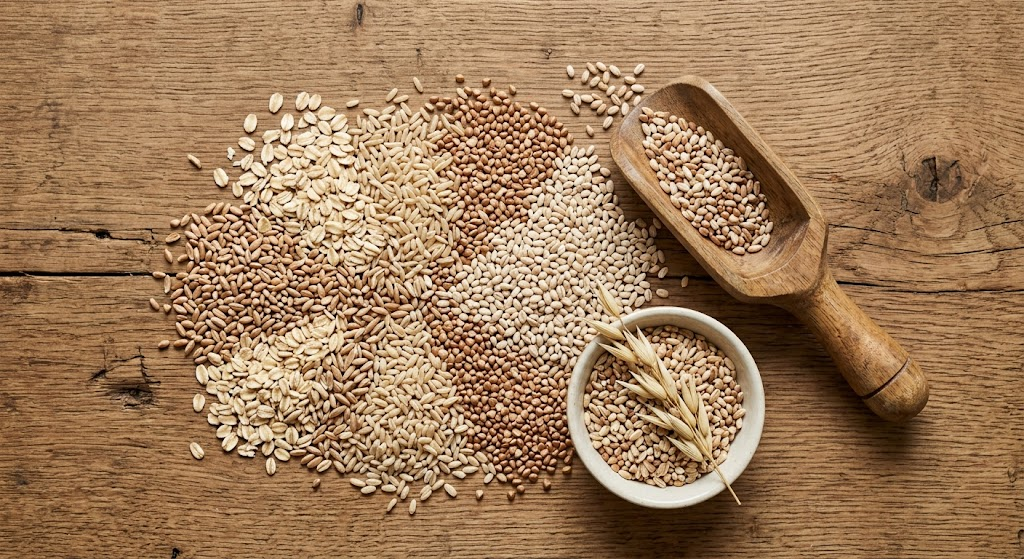
“Whole grain” dog food is a specific subset of grain-inclusive food that uses less-processed, more nutrient-dense grains — think brown rice, oats, barley, and quinoa — rather than refined grains or corn fillers. Compared to grain-free formulas, whole grain dog food:
- Provides more dietary fiber per serving in many recipes, supporting steady digestion
- Delivers B vitamins, antioxidants, and trace minerals that some legume-based grain-free recipes lack
- Tends to cost less than grain-free options with comparable protein quality
- Is generally considered the more “tested” middle ground for owners who want to avoid cheap fillers without going fully grain-free
Whole grain dog food is often the best compromise for owners who are wary of corn and wheat as fillers but aren’t convinced their dog needs a fully grain-free diet.
Pros and Cons of Grain-Free Dog Food
Pros:
- Can relieve symptoms in the small percentage of dogs with a true grain sensitivity
- Often higher in animal protein per serving
- Some dogs show firmer stools and improved coat condition
- Wide variety of novel-protein options for dogs on elimination diets
Cons:
- More expensive than most grain-inclusive options
- Not automatically lower in carbohydrates or calories
- Some formulas were flagged in the FDA’s DCM review, particularly those high in peas and lentils
- Missing out on the fiber and micronutrients whole grains provide, unless the recipe compensates well
Pros and Cons of Grain-Inclusive Dog Food
Pros:
- Decades of AAFCO feeding-trial data and research support
- Generally more affordable
- Whole grains provide fiber, B vitamins, and antioxidants
- Wide availability across every price tier
Cons:
- Not appropriate for the small number of dogs with a diagnosed grain allergy or intolerance
- Lower-quality formulas may use refined grains or corn as cheap fillers rather than nutrient-dense whole grains
- Some dogs with sensitive stomachs may do better on novel or limited ingredient options regardless of grain content
Which Dogs Benefit From Grain-Free Food?
- Dogs with a veterinarian-confirmed grain allergy or intolerance (uncommon but real)
- Dogs undergoing an elimination diet trial where grains are the suspected trigger
- Dogs on a novel-protein diet for allergy management where the specific grain-free formula has been vetted with your vet
- Owners specifically advised by a veterinary nutritionist to try a grain-free option for a documented reason
Which Dogs Benefit From Grain-Inclusive Food?
- Healthy adult dogs with no history of digestive or skin issues
- Puppies and growing dogs, where consistent, well-researched AAFCO growth formulas matter most
- Dogs with any cardiac risk factors or breeds predisposed to DCM (Doberman Pinschers, Boxers, Great Danes, Cocker Spaniels)
- Budget-conscious households looking for reliable, well-tested nutrition
- Picky eaters who respond better to certain grain-based textures and flavors — if your dog is a fussy eater regardless of grain content, it can help to review strategies for feeding picky eaters
How to Switch Your Dog’s Food Safely
- Transition gradually over 7–10 days. Mix increasing amounts of the new food with the old food to avoid stomach upset.
- Watch for reactions. Loose stools, vomiting, or itching during the transition may signal the new formula isn’t a good fit.
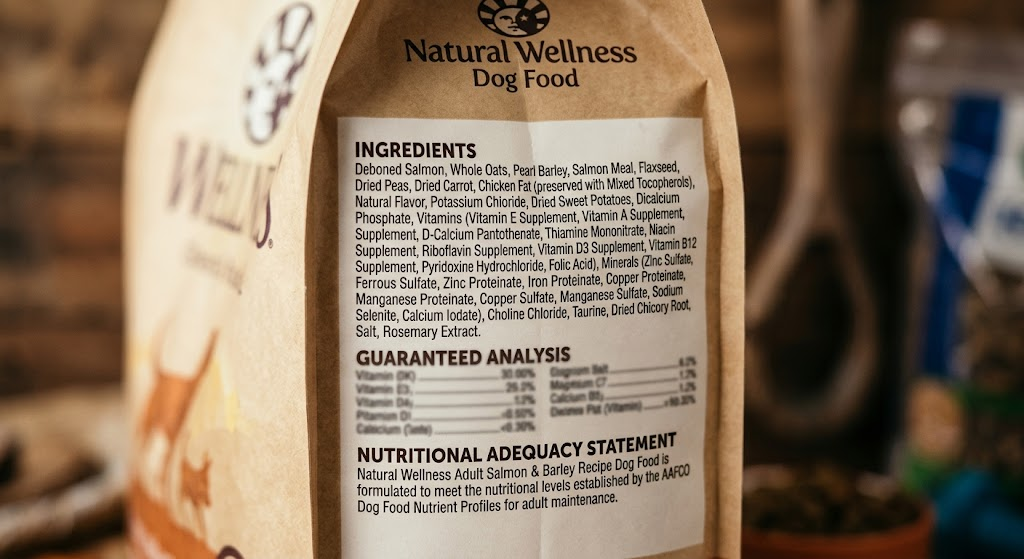
- Check for an AAFCO statement. Confirm the new food is “complete and balanced” for your dog’s life stage.
- Read the full ingredient list, not just the “grain-free” or “with grains” label on the front.
- Involve your veterinarian, especially if your dog has any pre-existing health condition or you’re switching because of a suspected allergy.
Expert Tips for Choosing the Right Food

- Prioritize the AAFCO nutritional adequacy statement over marketing claims like “ancestral,” “biologically appropriate,” or “grain-free.”
- Look for named animal protein sources (chicken, salmon, lamb) as the first ingredient, regardless of grain content.
- If choosing a grain-free diet, favor established manufacturers with in-house veterinary nutritionists and their own manufacturing facilities over small boutique brands.
- Rotate proteins and formulas occasionally (with vet guidance) rather than feeding the exact same recipe for years, which can help avoid new sensitivities developing over time.
- If your dog has a heart murmur or breed predisposition to DCM, ask your vet about periodic taurine or cardiac screening if you’re feeding a boutique or legume-heavy diet.
Common Mistakes Pet Owners Make
- Assuming grain-free means healthier. Quality of ingredients matters more than the presence or absence of grain.
- Self-diagnosing a “grain allergy.” Without a supervised elimination trial, it’s easy to misattribute symptoms to the wrong ingredient.
- Switching foods too quickly, causing digestive upset that gets blamed on the new formula rather than the abrupt change.
- Ignoring the carbohydrate source. Assuming grain-free automatically means low-carb, when many formulas simply substitute peas or potatoes.
- Choosing boutique grain-free brands without checking their formulation and quality-control practices, which was a common thread among diets flagged in the FDA’s DCM reports.
Real-Life Examples
Example 1 — The allergy scare that wasn’t grains. A Labrador with chronic ear infections was switched to a grain-free diet with no improvement. A veterinary elimination trial later revealed the dog was allergic to chicken protein, not grain — a reminder that protein sources, not grains, are the more common allergy culprit.
Example 2 — A senior dog thriving on whole grains. An aging Beagle with mild digestive sensitivity did well on a whole-grain formula featuring brown rice and oats, which helped regulate stool consistency thanks to the added fiber — illustrating that grain-inclusive food can be the better digestive fit for some dogs.
Example 3 — A boutique grain-free diet swapped after a vet visit. A Golden Retriever on a legume-heavy boutique grain-free diet was switched to a mainstream grain-inclusive formula after a veterinary cardiologist flagged early signs of reduced heart function — consistent with the pattern the FDA identified in several of its DCM case reports.
Safety Considerations
- Never switch a dog with a diagnosed heart condition to a new diet, grain-free or otherwise, without veterinary guidance.
- Watch for recall notices on any brand you feed, regardless of grain content — recalls affect both categories.
- If your dog shows signs of DCM (lethargy, coughing, difficulty breathing, fainting, or a distended abdomen), seek veterinary care immediately rather than simply changing food.
- Avoid making dietary decisions based solely on marketing terms like “ancestral diet” or “biologically appropriate” — these aren’t regulated terms.
- Puppies, pregnant or nursing dogs, and dogs with existing medical conditions have different nutritional needs; always match the food to the correct AAFCO life-stage category.
Frequently Asked Questions

Is grain-free dog food bad for dogs
Not inherently. Grain-free dog food isn’t proven to be harmful for the average healthy dog, but the FDA’s 2018–2022 review found a pattern linking some legume-heavy grain-free diets to DCM cases, without establishing direct causation. For most dogs without a grain sensitivity, there’s no established health benefit to going grain-free.
Which is better, grain or grain-free dog food?
Neither is universally better. Grain-inclusive food has more feeding-trial history and works well for the vast majority of healthy dogs. Grain-free food can help the small number of dogs with a genuine grain sensitivity. The best choice depends on your dog’s individual health, not a blanket rule.
Does grain-free dog food cause heart disease in dogs?
No direct cause has been proven. The FDA investigated a possible link between certain grain-free diets and DCM but closed the inquiry in December 2022 citing insufficient data to confirm causality. Legume-heavy “boutique” formulas were more commonly associated with flagged cases than grains themselves.
What’s the difference between grain-free and whole grain dog food?
Grain-free food excludes all cereal grains and uses potatoes, peas, or lentils for carbohydrates. Whole grain dog food includes minimally processed grains like brown rice, oats, or barley, which typically add fiber, B vitamins, and antioxidants that grain-free formulas replace with other ingredients.
How common are grain allergies in dogs?
Very rare — well under 1% of dogs have a true grain allergy. Most diagnosed food allergies in dogs involve animal proteins like beef, dairy, or chicken rather than grains.
Should I switch my dog to grain-free food for allergies?
Only if a veterinarian-supervised elimination trial has confirmed a grain-specific sensitivity. If you haven’t done a trial, switching to grain-free is unlikely to resolve symptoms caused by a protein allergy, which is far more common.
Is grain-free dog food more expensive than grain-inclusive food?
Generally, yes. Grain-free formulas tend to use pricier protein and carbohydrate sources, which usually puts them at a higher price point than comparable grain-inclusive diets.
Can puppies eat grain-free dog food?
Puppies can eat grain-free food if it’s formulated and AAFCO-certified for growth, but most veterinarians recommend a well-established grain-inclusive puppy formula unless there’s a specific medical reason to go grain-free, given the added importance of proven nutrition during growth.
What did the FDA actually conclude about grain-free dog food?
The FDA ended its public updates on the DCM investigation in December 2022, stating that adverse event reports alone didn’t provide enough data to establish a causal relationship between any specific pet food product and DCM cases.
Are ancient grains better than regular grains in dog food?
Ancient grains like quinoa, millet, and sorghum are often more nutrient-dense than refined grains such as white rice or corn, offering more fiber, protein, and minerals — but they’re not inherently better than other whole grains like oats or brown rice.
Conclusion
The grain-free vs. grain dog food debate isn’t really about which category wins — it’s about matching your dog’s specific needs to the right formula. For the vast majority of healthy dogs, grain-inclusive food backed by an AAFCO nutritional adequacy statement is a safe, affordable, well-researched choice. Grain-free food remains a legitimate option for the smaller group of dogs with a diagnosed sensitivity, as long as it comes from a reputable manufacturer and is chosen with your veterinarian’s input rather than marketing alone.
Before switching your dog’s diet for any reason, talk to your veterinarian, watch for how your dog responds during a gradual transition, and prioritize ingredient quality and AAFCO certification over buzzwords on the bag.
Sources
- American Kennel Club — Is Grain-Free Dog Food Bad or Good?
- PetMD — Are Grain-Free Diets Bad for Dogs?
- U.S. Food and Drug Administration — DCM and pet food investigation updates (fda.gov)
- Association of American Feed Control Officials (AAFCO) — Pet food nutritional adequacy standards
- Texas A&M College of Veterinary Medicine & Biomedical Sciences — Grains or No Grains: Addressing Pet Owner Concerns