

Introduction
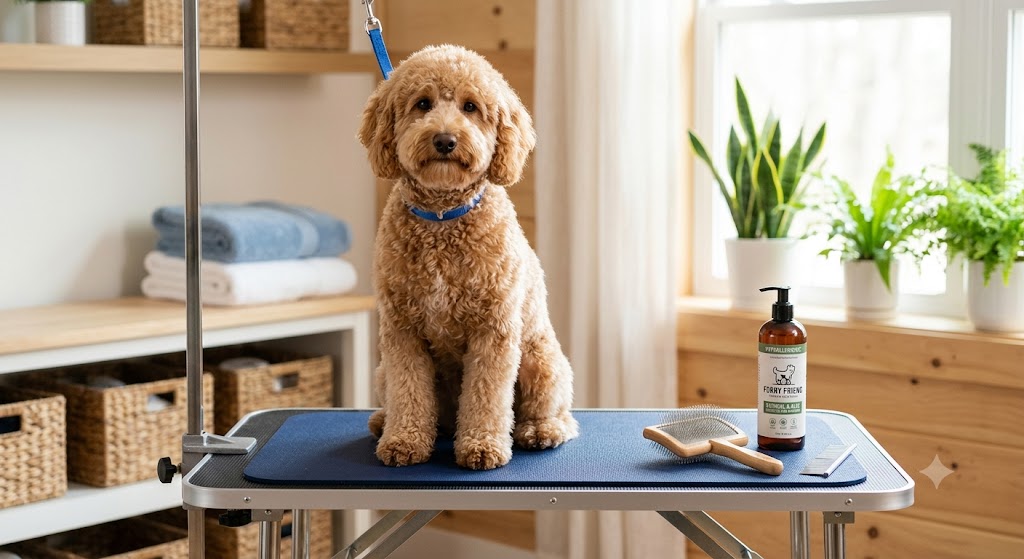
Hypoallergenic dog grooming is the practice of bathing, brushing, and trimming low-shedding, hair-coated dogs in a way that controls dander, saliva proteins, and loose hair at the source — the two things that trigger most human dog allergies. Done correctly, a consistent hypoallergenic dog grooming routine can measurably cut the allergen load in your home, reduce matting in curly and wavy coats, and prevent the skin infections that hypoallergenic breeds are prone to when grooming is skipped. Done poorly, or on the wrong schedule, it can actually stir up a cloud of trapped dander and make a sensitive person’s symptoms worse for hours afterward.
If you brought home a Poodle, Bichon Frise, Labradoodle, Portuguese Water Dog, or another low-shedding breed hoping to stop sneezing, you already know the surprising truth: no dog is 100% allergen-free. What changes with hypoallergenic breeds is how the allergens are packaged — trapped in slow-growing hair instead of shed constantly into the air — which means your grooming routine, not just the breed, is doing most of the allergy-management work. This guide walks through exactly which tools to use for each coat type, how often to bathe and brush, how to protect yourself during a session, and the most common mistakes that quietly undo all your effort.
Quick Answer
Hypoallergenic dog grooming means brushing low-shedding, hair-coated breeds (Poodles, Bichons, Schnauzers, Doodles, Portuguese Water Dogs, and similar) several times a week, bathing every 4–6 weeks with a fragrance-free hypoallergenic shampoo, and scheduling a professional trim every 4–8 weeks to prevent matting. Because these breeds trap dander and dried saliva in their coats instead of shedding it, grooming sessions release a concentrated burst of allergens — so ventilation, a designated grooming space, and drying the coat thoroughly matter as much as the products you choose.
Key Takeaways
- No dog is truly allergen-free. “Hypoallergenic” means lower allergen output, not zero — allergens come from dander, saliva, and urine proteins, not fur itself.
- Grooming frequency beats grooming intensity. Short, frequent brushing sessions (3–5x per week) control allergens better than occasional deep grooming.
- The right tool depends on coat type. Slicker brushes suit curly coats; pin brushes suit silky coats; undercoat rakes suit double-coated “hypoallergenic” mixes like Doodles.
- Bathing too often backfires. Over-bathing strips natural oils, dries the skin, and can increase dander production — most hypoallergenic dogs do best on a 4–6 week bathing cycle.
- Grooming space matters for allergy sufferers. A well-ventilated area, an air purifier with a HEPA filter, and a mask during brushing meaningfully reduce your own exposure.
- Matting is a health issue, not just a cosmetic one. Neglected mats trap moisture and bacteria, leading to skin infections underneath.
Table of Contents
- What “Hypoallergenic” Actually Means
- Which Breeds Need This Type of Grooming
- Grooming Tools by Coat Type
- Building a Home Grooming Routine
- Bathing: Products, Frequency, and Technique
- Protecting Yourself During Grooming
- Professional Grooming vs. At-Home Grooming
- Common Mistakes That Undo Your Progress
- Real-Life Examples
- Safety Considerations
- Expert Tips
- Frequently Asked Questions
What “Hypoallergenic” Actually Means
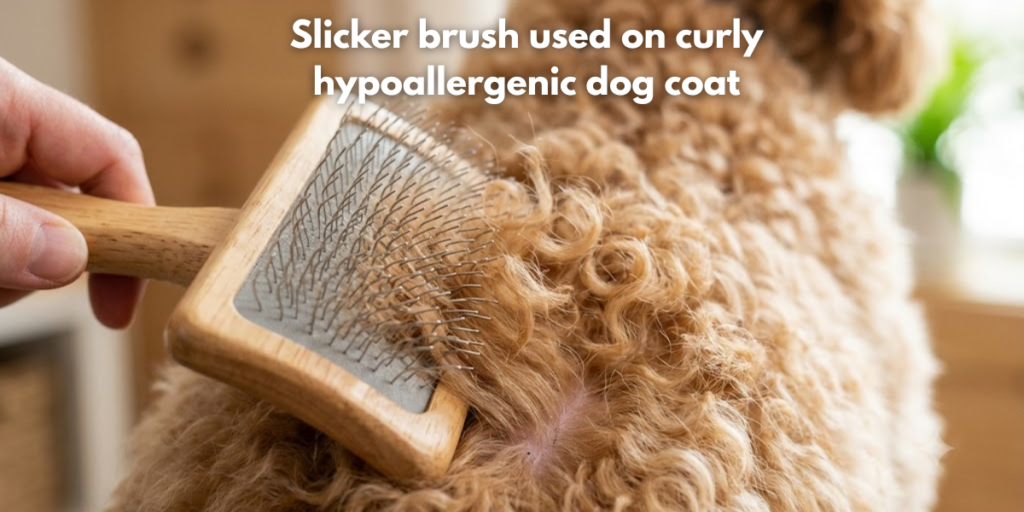
The term “hypoallergenic” doesn’t mean a dog produces zero allergens — it means the dog produces fewer of them, or releases them in a way that’s easier to manage. Canine allergens come primarily from Can f 1, a protein found in dog saliva and dander, not from the hair itself. When a dog licks its coat, that protein dries onto the hair; when the dog sheds, the protein becomes airborne along with the loose fur.
Hypoallergenic breeds tend to have hair (like human hair, continuously growing) rather than fur (which grows to a set length and sheds on a cycle). Because hair doesn’t release in tufts the way fur does, allergens stay trapped in the coat longer instead of scattering around the house — which is a double-edged sword. It’s genuinely easier to control allergens from a hair-coated dog, but only if you groom that coat regularly. Skip grooming, and the same trapped dander eventually works its way into bedding, furniture, and air.
According to the American Kennel Club, breeds it lists as more compatible with allergy sufferers include Poodles, Bichon Frise, Portuguese Water Dogs, and Soft Coated Wheaten Terriers — largely because of this low-shed, hair-coat trait combined with manageable dander levels.
Which Breeds Need This Type of Grooming
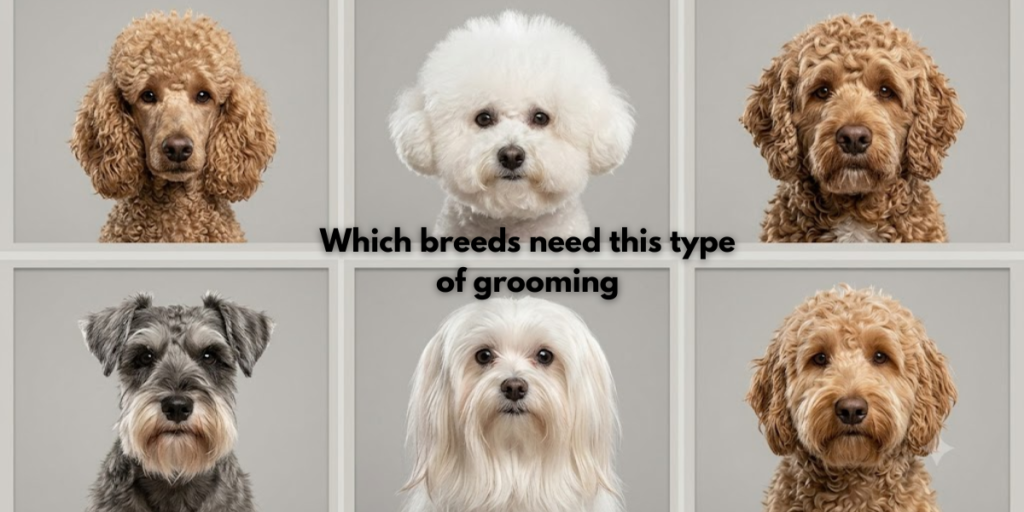
Hypoallergenic dog grooming techniques apply to any breed with a hair coat rather than a shedding fur coat. Common examples include:
| Breed | Coat Type | Grooming Frequency Needed |
|---|---|---|
| Poodle (Standard/Mini/Toy) | Dense, curly | Brush 3–5x/week; trim every 4–6 weeks |
| Bichon Frise | Soft, curly | Brush 3–4x/week; trim every 4–6 weeks |
| Portuguese Water Dog | Curly or wavy | Brush 2–3x/week; trim every 6–8 weeks |
| Labradoodle / Goldendoodle | Wavy to curly (varies) | Brush 3–5x/week; trim every 6–8 weeks |
| Schnauzer (Mini/Standard/Giant) | Wiry, double | Brush 2x/week; hand-strip or clip every 5–8 weeks |
| Maltese | Long, silky | Brush daily; trim every 4–6 weeks |
| Yorkshire Terrier | Long, silky (hair, not fur) | Brush daily; trim every 4–6 weeks |
| Afghan Hound | Long, silky | Brush 3–4x/week; trim as needed |
| Kerry Blue Terrier | Dense, wavy | Brush 2–3x/week; clip every 6–8 weeks |
Mixed “doodle” breeds are worth a special note: their coat texture is unpredictable even within the same litter, ranging from nearly straight to tightly curled, so the right brush for a Labradoodle puppy may not be the right brush for the same dog at 18 months.
Grooming Tools by Coat Type
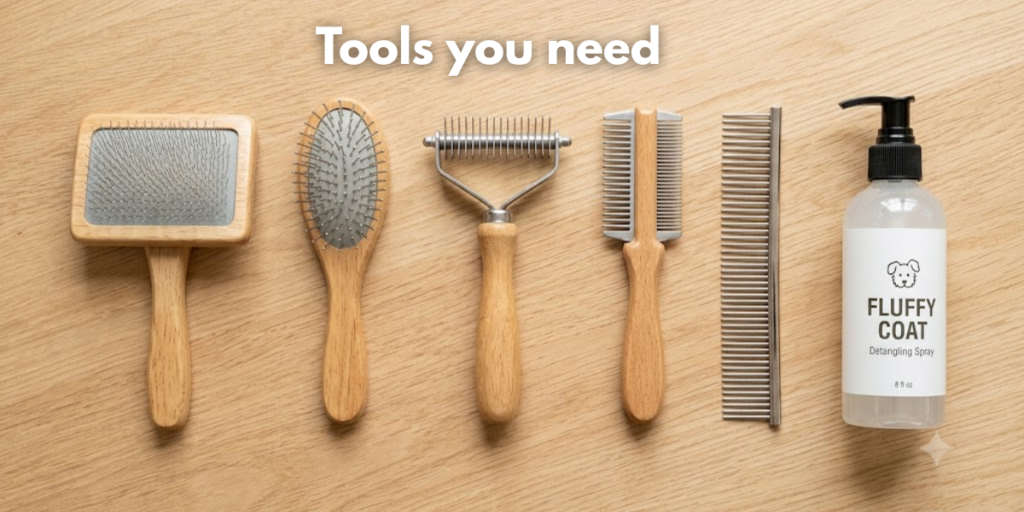
Choosing the correct tool for the coat in front of you directly affects how much dander is released during grooming and how comfortable the experience is for the dog.
- Slicker brush — Fine, angled wire pins on a flexible base. The most effective option for curly and wavy coats because the pins penetrate the curl to lift trapped debris and dander without scratching skin. Best for Poodles, Bichons, Portuguese Water Dogs.
- Pin brush — Rounded tips, wider spacing. Gentler on long, silky hair. Best for Maltese, Yorkshire Terriers, Afghan Hounds, Coton de Tulear. Not effective on tight curls, since the pins are spaced too far apart to reach the base of each curl.
- Undercoat rake — Longer teeth designed to reach through a double coat. Useful for Schnauzers and heavier Doodle mixes that carry some undercoat.
- Stripping comb/stone — Removes dead outer hair by the root rather than cutting it, which is the traditional method for wire-coated terriers like Schnauzers and Wheatens, preserving the coat’s texture.
- Metal comb with rounded teeth — Used after brushing to check for missed tangles, particularly behind ears, in armpits, and around the collar area where mats form first.
- Detangling spray — A leave-in, fragrance-free spray that softens knots before brushing, reducing the pulling that causes a dog to associate grooming with pain.
- Grooming clippers with guard combs — For home maintenance trims between professional visits; a #7 or #10 blade is common for short “puppy cut” styles.
Expert Tip: Always brush in the direction of hair growth first to remove surface debris, then go against the grain in thin layers to check for hidden mats close to the skin — most missed mats are found this second way, not the first.
Building a Home Grooming Routine
A dependable hypoallergenic dog grooming routine has four repeating parts: brushing, spot-cleaning, bathing, and trimming.
Daily or near-daily (5–10 minutes):
- Quick brush-through with a slicker or pin brush, focusing on friction zones (behind ears, under the collar, armpits, tail base).
- Wipe paws and face with a fragrance-free hypoallergenic wipe after walks to remove pollen and outdoor allergens before they transfer to furniture.
Weekly:
- A more thorough brush-out with a metal comb follow-up to catch mats before they tighten.
- Check ears for odor or debris, since hypoallergenic breeds with hair-covered ear canals (Poodles, Cockapoos) are more prone to trapped moisture and yeast buildup.
Every 4–6 weeks:
- Full bath with a hypoallergenic shampoo, followed by complete drying — damp coats left to air-dry are a leading cause of hot spots and yeast infections in curly-coated breeds.
- Nail trim, since overgrown nails change how a dog stands and can strain joints over time.
Every 4–8 weeks:
- Professional or at-home trim/clip, timed to the individual dog’s growth rate and coat type. Curlier, faster-growing coats (Poodle, Bichon) need the shorter end of that range; wavier coats (Portuguese Water Dog) can often stretch to 8 weeks.
Bathing: Products, Frequency, and Technique
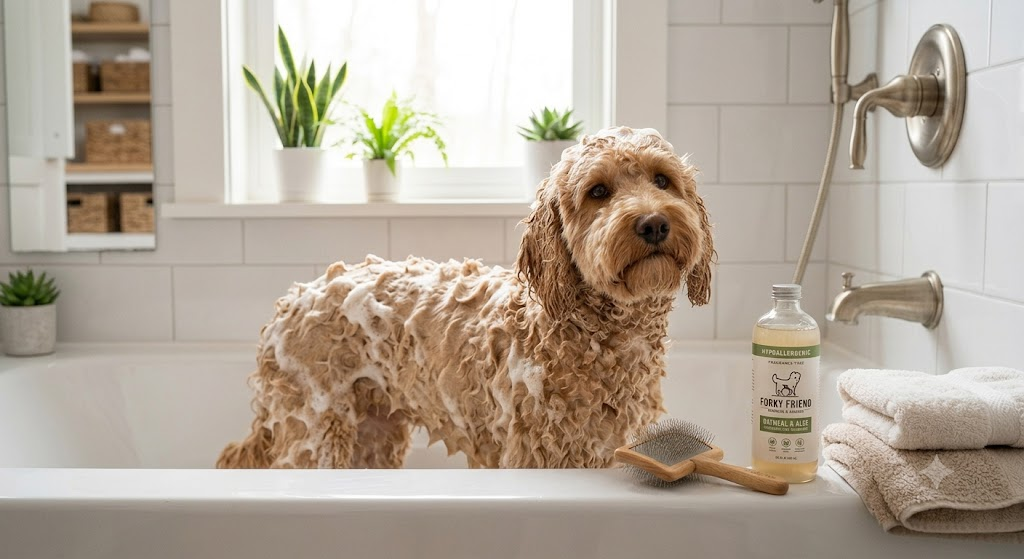
Bathing sits at the center of hypoallergenic dog grooming because it’s the step that physically removes dander and saliva residue from the coat rather than just relocating it around the house.
Choosing a shampoo: Look for products free of artificial fragrance, sulfates (like sodium lauryl sulfate), parabens, and dyes. Oatmeal-based formulas are widely recommended by veterinarians for mild skin sensitivity, while aloe vera and chamomile-based shampoos target itching and inflammation. Avoid human shampoo entirely — the pH is wrong for canine skin and can worsen dryness.
Frequency: Most hypoallergenic breeds do well with a bath every 4 to 6 weeks. Bathing more often than that strips the skin’s natural oil barrier, which can increase dander production — the opposite of the intended effect. Dogs with diagnosed skin allergies may need a vet-recommended medicated shampoo on a different schedule; follow that guidance over general advice.
Technique:
- Brush out mats and tangles completely before wetting the coat — water tightens existing knots and makes them far harder to remove.
- Use lukewarm water and work shampoo in gently rather than scrubbing, which can felt curly coats into new mats.
- Rinse thoroughly. Leftover shampoo residue is one of the most common causes of post-bath itching.
- Dry completely, ideally with a cool- or warm-setting dryer, paying special attention to areas prone to trapped moisture: under the ears, between toes, and in skin folds for brachycephalic mixes. If your dog’s coat naturally traps more moisture due to a flatter face and folds, our guide on brachycephalic dog breeds covers the extra skin-fold care these dogs need.
Protecting Yourself During Grooming
This is the step most guides skip, and it’s the one that matters most if you’re the allergy sufferer in the house. Grooming a hypoallergenic dog releases a concentrated burst of trapped dander, dried saliva, and skin cells all at once — often more allergen exposure in ten minutes than several normal days of casual contact.
- Groom in a ventilated space. A bathroom with the fan on, or an outdoor area in mild weather, disperses allergens far faster than a closed bedroom.
- Run a HEPA air purifier in the grooming area and let it continue running for an hour afterward.
- Wear a well-fitted mask during brushing and blow-drying if you’re highly sensitive — this single step prevents the most direct route of exposure, inhalation.
- Change clothes and wash hands after grooming sessions before touching your face or sitting on soft furniture.
- Vacuum immediately after with a vacuum that has a HEPA filter, rather than letting loose hair and dander settle into carpet fibers.
Professional Grooming vs. At-Home Grooming
| Factor | At-Home Grooming | Professional Grooming |
|---|---|---|
| Cost | Lower ongoing cost, higher upfront tool cost | $45–$120+ per visit depending on breed and coat |
| Time | Requires consistent weekly time investment | Handled in a single scheduled visit |
| Skill needed | Basic brushing is easy; clipping takes practice | Trained groomers handle mats, breed-specific cuts, and anal gland expression |
| Best for | Maintenance brushing between trims | Full trims, de-matting, first-time puppy grooming, dogs with severe mats |
| Allergy control | You control the environment and ventilation | Salon should use fragrance-free products on request; confirm beforehand |
A realistic approach for most owners is a hybrid: handle daily and weekly brushing at home, and outsource the harder clipping and trimming work to a professional every 4–8 weeks. If you’re new to a specific breed’s coat, a professional’s first cut also gives you a template to maintain between visits.
Common Mistakes That Undo Your Progress
- Skipping brush-outs between baths. Mats that form between bathing sessions get worse once wet, sometimes requiring a shave-down that a groomer would have avoided with earlier brushing.
- Over-bathing “to control allergies.” This backfires by drying the skin and increasing flaking.
- Using human or generic pet shampoo. Wrong pH and added fragrance are common causes of post-bath itching.
- Brushing only the surface. Surface brushing looks tidy but leaves mats forming closer to the skin, which is where irritation starts.
- Letting the coat air-dry completely. Damp roots trap bacteria and yeast, especially around ears and skin folds.
- Ignoring the ears. Breeds with hair growing into the ear canal need regular plucking or cleaning; skipping this is a leading cause of chronic ear infections in Poodles and Poodle mixes.
- Not protecting the groomer (you). Grooming without ventilation or a mask defeats much of the allergy benefit these breeds are chosen for in the first place.
Real-Life Examples
Bella, a Bichon Frise: Frequent flare-ups from a standard scented shampoo cleared up within a few weeks after switching to an oatmeal-based, fragrance-free hypoallergenic shampoo and adding a weekly comb-through to catch mats early.
Milo, a Maltese: A fine, easily tangled coat became manageable once his owner added a stainless-steel comb with rounded teeth as a follow-up step after brushing, catching stubborn knots the slicker brush missed.
Charlie, a Labradoodle: Regular use of a gentle deshedding tool once or twice weekly, especially during seasonal coat changes, noticeably reduced matting and the dander buildup that had been triggering his owner’s symptoms.
Safety Considerations
- Never pull on a mat. Tension on matted hair pulls directly on the skin underneath and can cause real pain; cut mats out carefully with blunt-tip scissors held parallel to the skin, or have a professional remove them.
- Check for skin issues before bathing. Redness, hot spots, or open sores should be evaluated by a veterinarian before you apply any shampoo, since some ingredients can worsen active irritation.
- Introduce clippers gradually. Sudden loud tools near a dog’s face or paws can create lasting fear; let the dog sniff and hear the clipper running nearby before it touches their coat.
- Watch for heat during blow-drying. Use the coolest effective setting, especially near the face and ears, to avoid burns on sensitive skin.
- Know when grooming isn’t the answer. If your dog is scratching persistently despite a good grooming routine, that’s a signal for a veterinary allergy workup rather than a product switch — grooming manages allergen exposure, but it doesn’t treat underlying skin allergies or food sensitivities. Dogs with suspected food-related skin issues may also benefit from a limited ingredient diet, which can rule out dietary triggers alongside a grooming overhaul.
Expert Tips
- Section long or curly coats into quadrants before brushing so no area gets missed — professional groomers use this method to guarantee full coverage on dense coats.
- Keep a dedicated, unscented detangling spray in your grooming kit; a light mist before brushing reduces breakage and the static that spreads loose dander into the air.
- Schedule trims slightly before the coat gets visibly shaggy — waiting until matting is obvious usually means a shorter, more drastic cut is the only option left.
- If you or a family member has a dog allergy, ask your groomer to use fragrance-free products and to bathe on days when you won’t need to be in the salon pickup area for long.
- For double-coated hybrid breeds, an undercoat rake used once weekly (in addition to regular brushing) prevents the dense undercoat from matting against the guard hairs — a coat type our Border Collie grooming guide also covers in more depth for double-coated breeds.
Frequently Asked Questions

Is there such a thing as a truly hypoallergenic dog?
No. Every dog produces some level of allergen through dander, saliva, and urine. “Hypoallergenic” breeds simply tend to produce and release less of it, largely due to a hair coat instead of a shedding fur coat.
How often should I groom a hypoallergenic dog?
Brush 3–5 times per week, bathe every 4–6 weeks, and schedule a professional trim every 4–8 weeks, adjusting frequency based on coat type and growth rate.
What shampoo is best for a dog with allergies?
Fragrance-free, sulfate-free shampoos with oatmeal, aloe vera, or chamomile are commonly recommended for sensitive skin. A veterinarian can recommend a medicated option if your dog has a diagnosed skin condition.
Can grooming make my allergies worse?
Temporarily, yes. Brushing and bathing release trapped dander and saliva proteins into the air. Grooming in a ventilated space, using a HEPA air purifier, and wearing a mask during the session reduces this short-term spike.
Do Doodles (Labradoodle, Goldendoodle) need more grooming than purebred hypoallergenic dogs?
Often yes, because their coat texture is inconsistent and can combine curl with an undercoat, making them more prone to matting than a purebred Poodle with a single, predictable coat type.
How do I know if my dog’s coat is matted underneath even if it looks fine on top?
Run a metal comb close to the skin, not just over the surface. If it catches or won’t glide through in a section, there’s likely a mat forming beneath the visible coat.
Is it safe to shave a hypoallergenic dog’s coat short in summer?
Generally, hair-coated breeds can be clipped short safely, unlike double-coated shedding breeds where shaving can damage the coat’s ability to regulate temperature. Ask your groomer about the right length for your specific breed.
What’s the difference between a slicker brush and an undercoat rake?
A slicker brush uses fine, closely spaced pins ideal for curly and wavy coats to lift surface debris and light tangles. An undercoat rake has longer, sturdier teeth designed to reach through a dense undercoat, which is more relevant for double-coated mixes than for single-coated purebred hypoallergenic breeds.
Conclusion
Hypoallergenic dog grooming isn’t a one-time fix — it’s an ongoing system of the right tools, the right schedule, and the right precautions for your own exposure that, together, meaningfully reduce the allergen load a sensitive household deals with. The coat type your dog has determines the brush you reach for, the bathing interval keeps skin healthy without stripping it, and a well-ventilated grooming space protects the very person the “hypoallergenic” label was meant to help. Start with a simple weekly brushing routine, add a hypoallergenic shampoo on a 4–6 week cycle, and build from there based on how your dog’s coat and your own symptoms respond. If you’re still working out which grooming tools suit your dog’s specific coat, our internal guides on brachycephalic dog breeds, limited ingredient diets for skin-sensitive dogs, and double-coated breed care are good next reads.