


Quick Answer
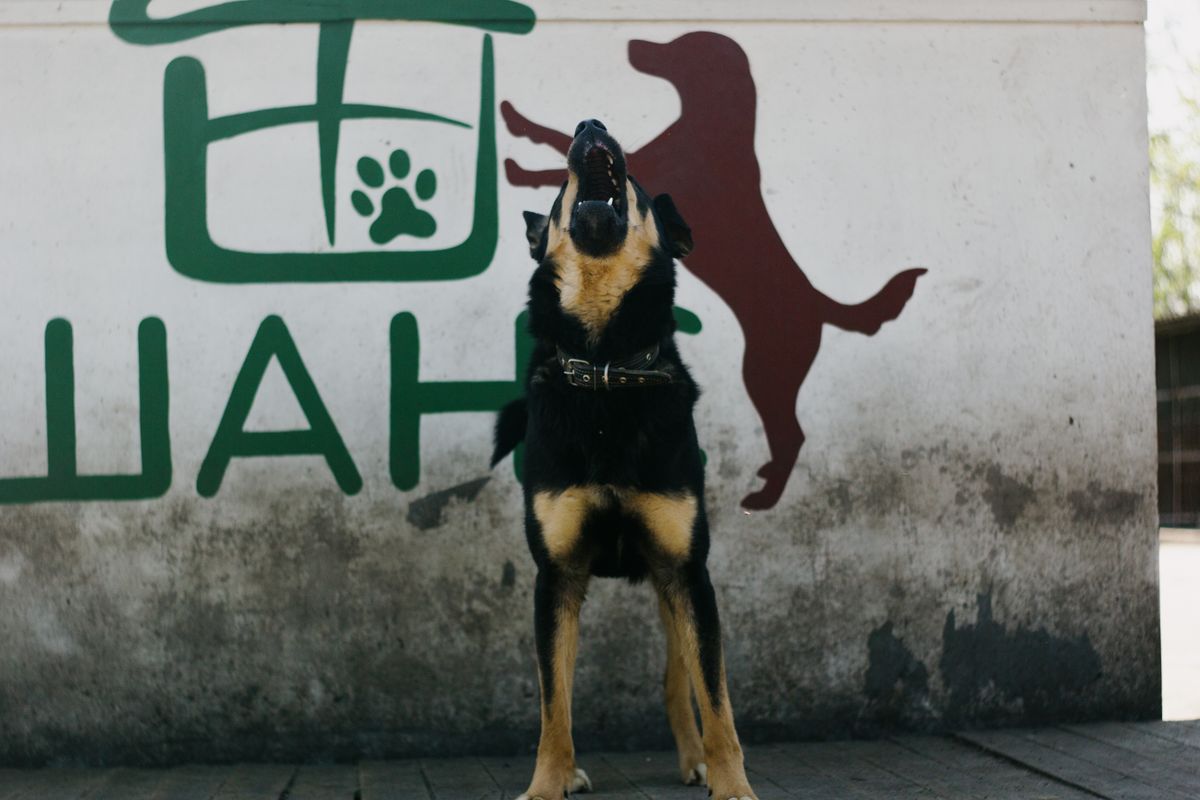
If you’re wondering how to stop your dog from barking, the first step is understanding why your dog is barking in the first place. Dogs bark to communicate, protect their territory, express excitement, or respond to fear and boredom. Once you identify the cause, you can use consistent dog training tips, positive reinforcement, and regular exercise to reduce excessive barking without causing stress to your pet.
Introduction
Barking is a normal part of a dog’s behavior. It helps dogs communicate with people and other animals. However, when barking becomes constant or happens for no clear reason, it can become frustrating for both pet owners and neighbors. Instead of trying to stop the barking immediately, it’s more helpful to understand what your dog is trying to tell you.
Learning how to stop your dog from barking takes patience rather than quick fixes. Every dog has a different personality, and what works for one may not work for another. A young puppy may bark because it’s curious or wants attention, while an older dog might bark because of anxiety, loneliness, or changes in its environment.
The good news is that most barking problems can be improved with the right approach. By understanding why dogs bark, rewarding calm behavior, and following simple training techniques, you can help your dog become quieter while still allowing it to communicate naturally.
Quick Comparison Table
| Cause of Barking | Possible Solution |
| Boredom | Daily exercise and interactive toys |
| Attention Seeking | Reward quiet behavior instead of barking |
| Fear or Anxiety | Create a calm environment and identify triggers |
| Territorial Barking | Limit visual triggers and train calm responses |
| Excitement | Teach your dog to settle before rewarding it |
Key Takeaways
- How to Stop Your Dog from Barking starts with identifying the real reason behind the behavior.
- Consistent training works better than punishment.
- Regular exercise helps reduce unwanted dog barking caused by boredom.
- Positive reinforcement encourages quiet and calm behavior.
- Patience and daily practice are the keys to long-term success.
Why Do Dogs Bark?

Before you can stop dog barking, it’s important to understand what causes it. Barking is one of the main ways dogs communicate. While occasional barking is completely normal, excessive barking often signals that your dog needs attention, stimulation, or help dealing with a specific situation.
Every dog has its own reason for barking. Some breeds are naturally more vocal, while others bark only when they feel threatened or excited. Identifying the trigger makes it much easier to choose the right training method instead of guessing what might work.
Common Reasons for Dog Barking
- Boredom: Dogs left alone for long periods often bark because they need physical activity or mental stimulation.
- Fear or Anxiety: Loud noises, strangers, or unfamiliar surroundings can make dogs bark to express fear.
- Territorial Behavior: Many dogs bark when they see people, animals, or vehicles near their home.
- Attention Seeking: Some dogs quickly learn that barking gets their owner’s attention, even if it’s negative attention.
- Excitement: Barking is common when visitors arrive, during playtime, or before going for a walk.
Effective Ways to Stop Your Dog from Barking
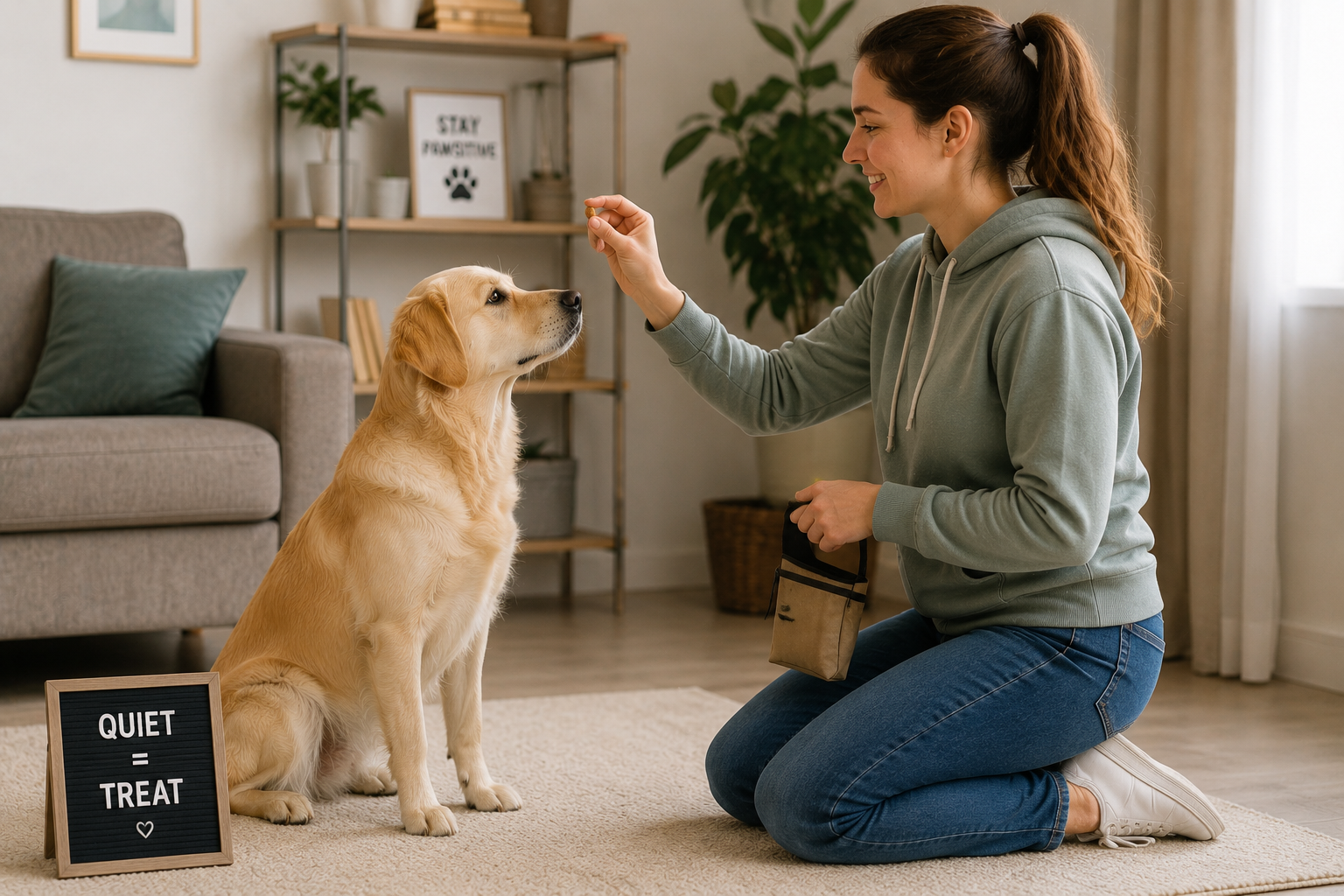
Once you know the reason behind the barking, you can begin training your dog using positive and consistent methods. If you’re searching for how to stop your dog from barking, remember that patience and repetition are far more effective than punishment.American Kennel Club dog training advice
1. Identify the Trigger
Pay attention to when your dog starts barking. Does it happen when someone knocks at the door, when another dog walks by, or when your dog is left alone? Finding the trigger helps you choose the most effective solution.
2. Reward Quiet Behavior
Instead of giving attention when your dog barks, wait for a moment of silence and reward that calm behavior with praise or a healthy treat. This simple dog training tip teaches your dog that staying quiet leads to positive rewards.
3. Provide Enough Exercise
Many barking problems are caused by excess energy. Daily walks, interactive games, and puzzle toys help keep your dog physically active and mentally engaged, reducing unnecessary dog barking throughout the day.
Mistakes to Avoid When Training Your Dog
Many dog owners unintentionally encourage barking without realizing it. If your dog barks and immediately receives attention, treats, or playtime, it may learn that barking is the easiest way to get what it wants. Understanding these common mistakes can make how to stop your dog from barking much easier.
Avoid shouting at your dog when it barks. From your dog’s perspective, it may sound like you’re joining the barking instead of asking it to stop. Staying calm and rewarding quiet behavior is usually far more effective than punishment.
Common Training Mistakes
- Giving attention while your dog is barking.
- Skipping daily exercise and mental stimulation.
- Expecting results after only a few training sessions.
- Using punishment instead of positive reinforcement.
- Being inconsistent with commands and rewards.
Helpful Dog Training Tips for Long-Term Success
Training is most successful when it becomes part of your dog’s daily routine. Short, positive sessions are often more effective than long training periods. Whether you’re teaching basic commands or learning how to train a dog not to bark, consistency makes all the difference.
Create a routine that includes exercise, playtime, training, and rest. Dogs thrive on predictable schedules, and a well-balanced routine can naturally reduce excessive dog barking caused by stress or boredom.
Daily Habits That Help Reduce Barking
- Take your dog for regular walks every day.
- Keep training sessions short and rewarding.
- Provide puzzle toys and interactive games.
- Socialize your dog with people and other pets.
- Reward calm behavior whenever possible.
When Should You Seek Professional Help?
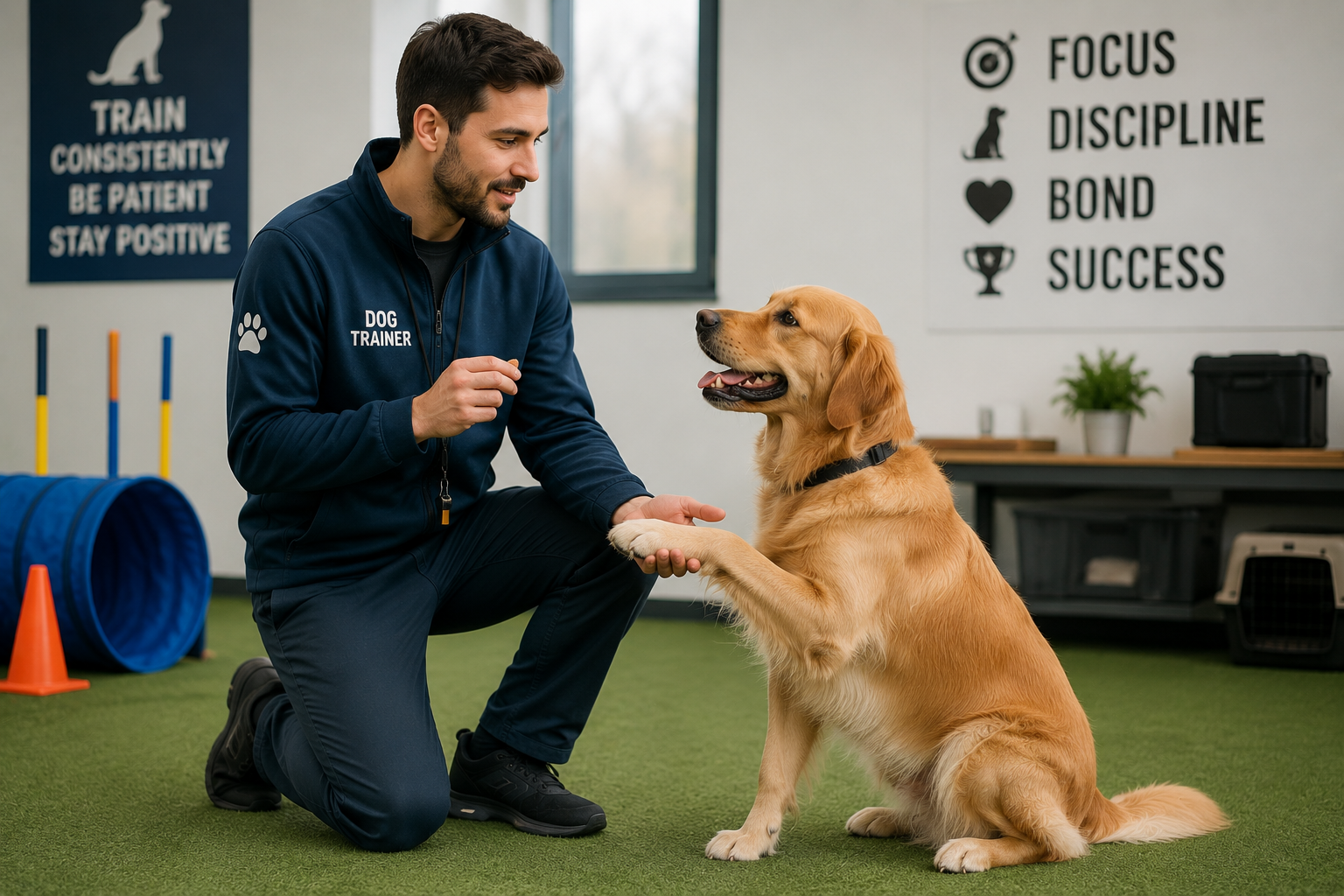
If your dog continues barking excessively despite consistent training, it may be time to consult a professional dog trainer or your veterinarian. In some cases, barking can be linked to separation anxiety, medical conditions, or behavioral issues that require expert guidance.
Getting professional advice doesn’t mean you’ve failed. In fact, early support can make training easier and improve your dog’s overall well-being, helping both you and your pet enjoy a calmer and happier life together.VCA Animal Hospitals behavior and training guide
Frequently Asked Questions
How can I stop my dog from barking at strangers?
Start by identifying what triggers the barking. Reward your dog for staying calm when someone approaches instead of reacting immediately. Over time, this teaches your dog that quiet behavior earns praise and treats.
Is it okay to ignore my dog’s barking?
It depends on the reason. If your dog is barking to get attention, ignoring the behavior while rewarding quiet moments can help. However, if the barking is caused by fear, pain, or anxiety, it’s important to address the underlying issue rather than simply ignoring it.
Which dog breeds bark the most?
Some breeds, including Beagles, Chihuahuas, Yorkshire Terriers, and Miniature Schnauzers, are naturally more vocal than others. Even so, proper training and regular exercise can help reduce excessive barking.
Can exercise reduce excessive dog barking?
Yes. Daily walks, playtime, and mental stimulation help burn off extra energy that often leads to excessive dog barking. A well-exercised dog is usually calmer and less likely to bark without reason.
Should I use anti-bark collars?
Most professional trainers recommend starting with positive reinforcement and consistent training before considering anti-bark devices. Teaching your dog the right behavior is generally more effective and helps build trust.
Conclusion
Learning how to stop your dog from barking takes time, consistency, and patience. Instead of trying to silence your dog completely, focus on understanding why the barking happens and address the root cause. Whether it’s boredom, excitement, fear, or territorial behavior, the right dog training approach can make a lasting difference.
Using positive reinforcement, regular exercise, and simple dog training tips will help your dog become calmer and more confident over time. Remember that every dog learns at its own pace, so celebrate small improvements and stay consistent. With the right routine and plenty of encouragement, you can enjoy a quieter home while maintaining a healthy and happy relationship with your furry companion.
Meta Description
Learn how to stop your dog from barking with simple training tips, proven techniques, and expert advice to reduce excessive barking naturally.