Introduction
If you’ve ever fallen in love with a smooshed, wrinkly face staring up at you — you’ve met a brachycephalic dog breed. These flat-faced dogs include some of the most popular pets in America: French Bulldogs, Pugs, English Bulldogs, Boston Terriers, and Shih Tzus. But owning a brachycephalic dog comes with responsibilities that go far beyond cuddles.
Understanding what makes brachycephalic dog breeds different — physically, medically, and behaviorally — is the key to giving them the long, happy, healthy life they deserve. This comprehensive guide covers every breed, every health risk, every care tip, and every question you’ve ever had about these lovable short-nosed dogs.
Quick Answer
What are brachycephalic dog breeds?
Brachycephalic dog breeds are dogs with shortened skulls and flat faces, resulting in compressed nasal passages, shorter snouts, and characteristic “smooshed” facial features. The term comes from the Greek words brachy (short) and cephalic (head). Common examples include the French Bulldog, Pug, English Bulldog, Boston Terrier, Boxer, Shih Tzu, and Cavalier King Charles Spaniel. These breeds often require special care due to their unique anatomy and associated health challenges.
Key Takeaways
- Brachycephalic dog breeds have compressed skull anatomy caused by selective breeding
- Nearly half of the top 20 most popular AKC-registered breeds are brachycephalic
- Brachycephalic Obstructive Airway Syndrome (BOAS) is the primary health concern
- These dogs require special attention around heat, exercise, anesthesia, and swimming
- With proper care, flat-faced dogs can live full, joyful lives
- Early veterinary intervention significantly improves quality of life
Table of Contents
- What Does “Brachycephalic” Mean?
- Complete List of Brachycephalic Dog Breeds
- Why Are Brachycephalic Breeds So Popular?
- Understanding Brachycephalic Obstructive Airway Syndrome (BOAS)
- Common Health Problems in Flat-Faced Dogs
- Brachycephalic Dog Care: Essential Tips
- Exercise and Activity Guidelines
- Feeding and Nutrition for Brachycephalic Dogs
- Grooming Your Flat-Faced Dog
- Traveling and Flying with Brachycephalic Dogs
- When to See a Vet: Warning Signs
- Expert Tips from Veterinary Professionals
- Common Mistakes Brachycephalic Dog Owners Make
- FAQ: Your Top Questions Answered
What Does “Brachycephalic” Mean?
The word brachycephalic literally means “short head” in Greek. It describes dogs with a wide, shortened skull structure and a compressed facial profile. According to the American College of Veterinary Surgeons, this compressed skull alters the anatomy of the entire upper airway, often leading to breathing difficulties that range from mild snoring to life-threatening respiratory distress.
Brachycephalic anatomy typically involves:
- Stenotic nares — abnormally narrow nostrils that restrict airflow
- Elongated soft palate — the tissue at the back of the mouth extends too far, partially blocking the airway
- Hypoplastic trachea — an undersized windpipe
- Everted laryngeal saccules — small pouches in the larynx turn outward, obstructing the airway further
- Macroglossia — an oversized tongue relative to the mouth
This combination of anatomical features is what creates the characteristic snoring, snorting, and heavy breathing that brachycephalic dog owners come to know well. And while some find it endearing, it’s important to understand that these sounds often signal real physical strain.
Complete List of Brachycephalic Dog Breeds
Not all flat-faced breeds are equally affected. Some are considered extreme brachycephalics with severe anatomical compression, while others are moderate brachycephalics with milder features. Here is a comprehensive breakdown:
Extreme Brachycephalic Breeds (Highest Health Risk)
These breeds have the most compressed facial features and carry the greatest risk of BOAS and related health complications.
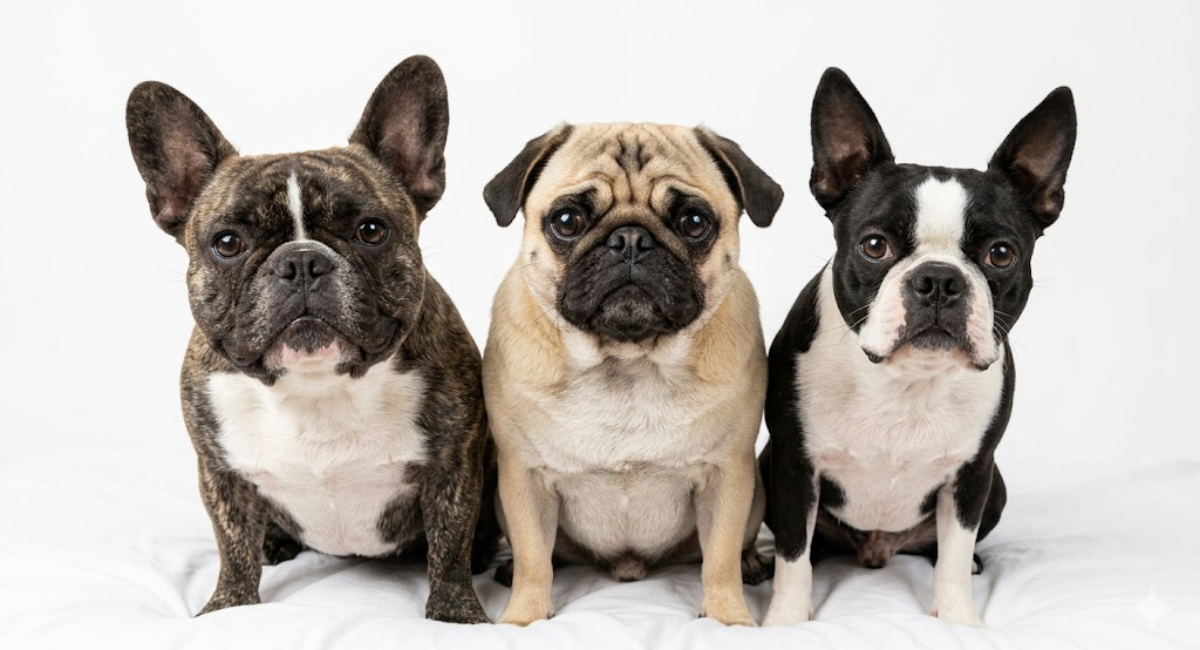
French Bulldog The most popular dog breed in the United States, the French Bulldog is beloved for its bat ears, compact size, and playful personality. However, French Bulldogs suffer from chronic respiratory distress due to their pronounced underbite and shortened facial features. Snoring and labored breathing are common even at rest.
English Bulldog The English Bulldog’s iconic “sourmug” face — complete with heavy skin folds and an undershot jaw — creates serious breathing challenges. Their excess skin can also trap moisture, leading to skin infections, and their pushed-in nose makes even mild exercise difficult in warm weather.
Pug One of the oldest brachycephalic breeds, Pugs were originally bred for Chinese royalty. Their wrinkled face and large, expressive eyes are charming, but Pugs are among the most severely affected brachycephalic dogs. BOAS is nearly universal in the breed.
Boston Terrier Called the “American Gentleman” for their tuxedo-like markings, Boston Terriers are smart, spunky, and full of personality. They are moderately brachycephalic, and while health impacts vary, many still experience breathing issues and heat sensitivity.
Pekingese An ancient Chinese companion breed, the Pekingese has an extremely flat face and a long, flowing coat. They are highly susceptible to BOAS, eye problems, and overheating.
Brussels Griffon Small but spirited, the Brussels Griffon has a notably human-like facial expression. They can develop nasal hyperkeratosis (skin thickening on the nose) at a young age and are prone to respiratory complications.
Japanese Chin A delicate, aristocratic companion, the Japanese Chin has a distinctly flat face and is prone to breathing difficulties, neurological issues, and eye conditions.
Moderate Brachycephalic Breeds
These breeds share brachycephalic features but may experience less severe health impacts depending on individual anatomy.
Boxer The Boxer is larger and more athletic than most brachycephalic breeds, but its shortened muzzle still places it in this category. Boxers are prone to respiratory and cardiac issues and should not be over-exercised in heat.
Shih Tzu The Shih Tzu’s long, flowing coat often overshadows the fact that it has a noticeably flat face. Shih Tzus are prone to breathing difficulties, eye problems due to their prominent eyes, and dental crowding.
Lhasa Apso Originally bred as Tibetan temple guards, Lhasa Apsos have a moderate brachycephalic profile. They are generally hardier than some flat-faced breeds but still require respiratory monitoring.
Cavalier King Charles Spaniel This gentle, affectionate breed is beloved for its silky coat and sweet temperament. It is considered mildly brachycephalic, but is significantly at risk for heart disease (Mitral Valve Disease) and Chiari-like Malformation/Syringomyelia, a neurological condition.
Chihuahua While not always thought of as a flat-faced breed, many Chihuahuas — particularly the Apple-head variety — are mildly brachycephalic and can experience breathing difficulties and dental crowding.
Affenpinscher This small, “monkey-faced” dog has a flat profile and is prone to breathing difficulties, particularly in humid or hot conditions.
Dogue de Bordeaux (French Mastiff) One of the most massive brachycephalic breeds, the Dogue de Bordeaux is characterized by heavy skin folds and a large head. BOAS, heat sensitivity, and joint issues are all significant concerns.
Shar Pei Known for its deep skin wrinkles, the Shar Pei has a brachycephalic conformation and is additionally prone to a hereditary fever disorder called Familial Shar Pei Fever (FSF) and skin infections within its folds.
Bullmastiff A larger, working-type breed with moderate brachycephalic features. Bullmastiffs face respiratory challenges, particularly in hot weather, and are also prone to heart conditions.
Neapolitan Mastiff This massive Italian breed has extreme skin folds and a pronounced brachycephalic skull. They are sensitive to heat and prone to respiratory distress and joint disease.
Cane Corso The Cane Corso is a powerful Italian mastiff that falls on the milder end of the brachycephalic spectrum, though they still require monitoring for breathing and heat-related issues.
Rottweiler Perhaps surprising to some, the Rottweiler has a moderately shortened muzzle and is considered mildly brachycephalic. Respiratory concerns are far less severe than in extreme breeds.
King Charles Spaniel (English Toy Spaniel) Similar to the Cavalier but more compact, this breed is prone to the same cardiac and neurological conditions.
Why Are Brachycephalic Breeds So Popular?
Despite well-documented health concerns, brachycephalic dog breeds have exploded in popularity over the past two decades. The French Bulldog has held the top spot in AKC registrations for several consecutive years. Why?
The “baby face” effect. Research suggests humans are instinctively drawn to large eyes, round faces, and small noses — traits we associate with infants. Brachycephalic dogs naturally possess these features, triggering nurturing instincts in people.
Personality. Flat-faced breeds are overwhelmingly companion-oriented. Pugs, French Bulldogs, and Cavaliers were bred specifically to be people-pleasers — affectionate, low-key, and highly social.
Apartment-friendly size. Most brachycephalic breeds are small to medium in size and require less intense exercise than herding or working breeds, making them ideal for urban and apartment living.
Social media. The visual appeal of flat-faced dogs drives enormous engagement online, further fueling demand.
However, this popularity has raised serious ethical and welfare concerns among veterinary professionals. Organizations like the American Veterinary Medical Association (AVMA) have urged breeders and buyers to prioritize health over appearance when selecting brachycephalic dogs.
Understanding Brachycephalic Obstructive Airway Syndrome (BOAS)
Brachycephalic Obstructive Airway Syndrome, or BOAS, is the umbrella term for the cluster of anatomical airway abnormalities that affect flat-faced dogs. It is the most significant and most common health challenge facing brachycephalic breeds.
What Causes BOAS?
BOAS results directly from selective breeding for flat facial features. When humans bred dogs for increasingly compressed skulls, the soft tissue inside the skull did not shrink at the same rate. As a result, there is too much tissue crammed into too little space.
According to Cornell University’s College of Veterinary Medicine, the primary anatomical components of BOAS include:
- Stenotic nares (pinched nostrils) — present in 17–94% of affected breeds
- Elongated soft palate — present in 62–100% of cases
- Hypoplastic trachea (narrowed windpipe) — present in 11–46% of cases
- Everted laryngeal saccules — a secondary complication affecting 39–87% of cases
Symptoms of BOAS
Watch for the following signs in your brachycephalic dog:
- Noisy, labored breathing at rest
- Loud snoring
- Snorting or gagging, especially while eating
- Exercise intolerance — tiring quickly on short walks
- Cyanosis (bluish tint to gums) during exertion — an emergency
- Excessive panting in mild temperatures
- Sleep apnea or restless sleep
- Gastrointestinal issues such as regurgitation or vomiting
Diagnosing BOAS
Veterinary diagnosis typically involves:
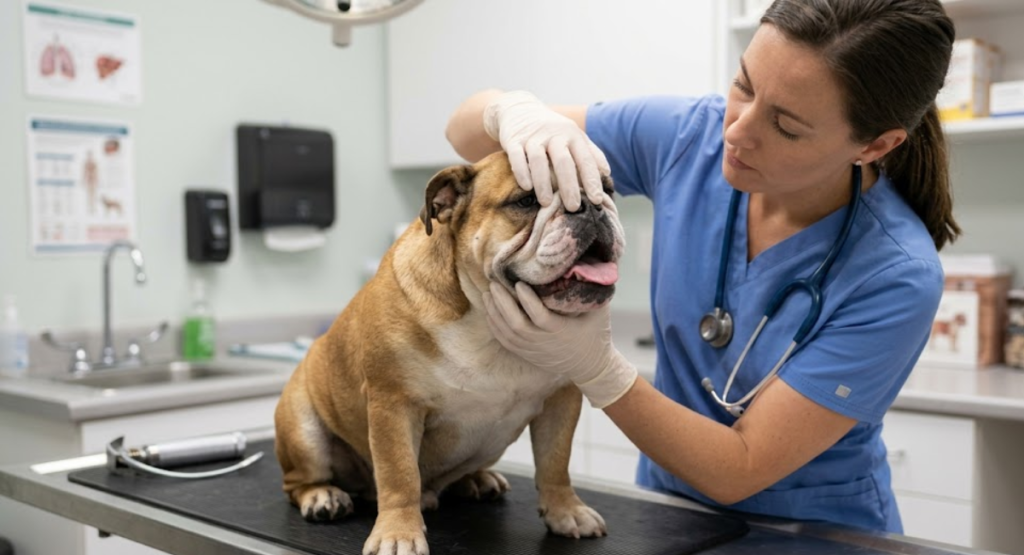
- Physical examination assessing nostrils, breathing patterns, and airway sounds
- Mild sedation to evaluate the soft palate and laryngeal saccules
- X-rays or CT scans to visualize airway structure and tracheal size
- Endoscopy for direct visualization of airway obstructions
Diagnosis typically occurs between 1 and 4 years of age, according to VCA Animal Hospitals.
Treatment Options
Conservative management is appropriate for mild cases and includes:
- Weight management (obesity dramatically worsens BOAS)
- Avoiding heat, humidity, and strenuous exercise
- Using a harness instead of a neck collar
- Corticosteroids or NSAIDs for airway inflammation during flare-ups
- Oxygen therapy in acute situations
Surgical correction is recommended for moderate to severe cases. Earlier intervention leads to significantly better outcomes. Surgical procedures include:
- Nares widening — removal of tissue to enlarge the nostril openings
- Soft palate resection — shortening the elongated soft palate
- Saccule removal — removing everted laryngeal saccules
There is currently no surgical correction for hypoplastic trachea. Dogs with BOAS that undergo surgery typically see marked improvement in breathing, exercise tolerance, and quality of life.
Expert Tip: If your brachycephalic dog is showing signs of BOAS, seek veterinary evaluation before the dog is 2 years old. Early surgical intervention produces significantly better long-term outcomes.
Common Health Problems in Flat-Faced Dogs
Beyond BOAS, brachycephalic dog breeds are predisposed to a range of additional health conditions. Responsible ownership means being proactive about all of them.
Eye Problems
Brachycephalic dogs have shallow eye sockets, causing their eyes to protrude (called exophthalmos). This makes them vulnerable to:
- Corneal ulcers — scratches on the eye surface that can become serious quickly
- Dry eye (Keratoconjunctivitis Sicca) — insufficient tear production
- Cherry eye — prolapse of the third eyelid gland
- Proptosis — the eyeball partially popping out of its socket, which is a veterinary emergency
Check your dog’s eyes daily for redness, discharge, or cloudiness.
Dental Problems
The compressed jaw of brachycephalic breeds means there is insufficient space for a full set of teeth. This leads to:
- Overcrowded, misaligned teeth
- Increased plaque and tartar buildup
- Higher rates of periodontal disease
Daily tooth brushing and regular professional dental cleanings are essential.
Skin Fold Infections
The adorable wrinkles on breeds like the English Bulldog, Pug, and Shar Pei trap moisture, debris, and bacteria. Without regular cleaning, these folds develop infections called skin fold dermatitis (intertrigo), which cause redness, odor, and discomfort.
Heat Intolerance and Heatstroke
Brachycephalic dogs rely primarily on panting to cool themselves — and their compressed airways make panting significantly less effective. This makes them extremely vulnerable to heatstroke, which can be fatal. Never leave a brachycephalic dog in a hot car, even briefly.
Signs of heatstroke include:
- Excessive drooling
- Bright red gums
- Rapid breathing or gasping
- Collapse or loss of consciousness
Spinal and Joint Issues
Some brachycephalic breeds, particularly the French Bulldog and English Bulldog, are also prone to spinal malformations such as hemivertebrae (wedge-shaped vertebrae that can compress the spinal cord). Hip dysplasia and patellar luxation are also common.
Reproductive Difficulties
Due to their anatomy, many brachycephalic dogs — especially English and French Bulldogs — cannot reproduce naturally. Most litters require caesarean sections because the puppies’ heads are too large to pass through the birth canal.
Brachycephalic Dog Care: Essential Tips
Caring for a flat-faced dog requires daily attention and some specific modifications to routine care practices.
Use a Harness, Not a Collar
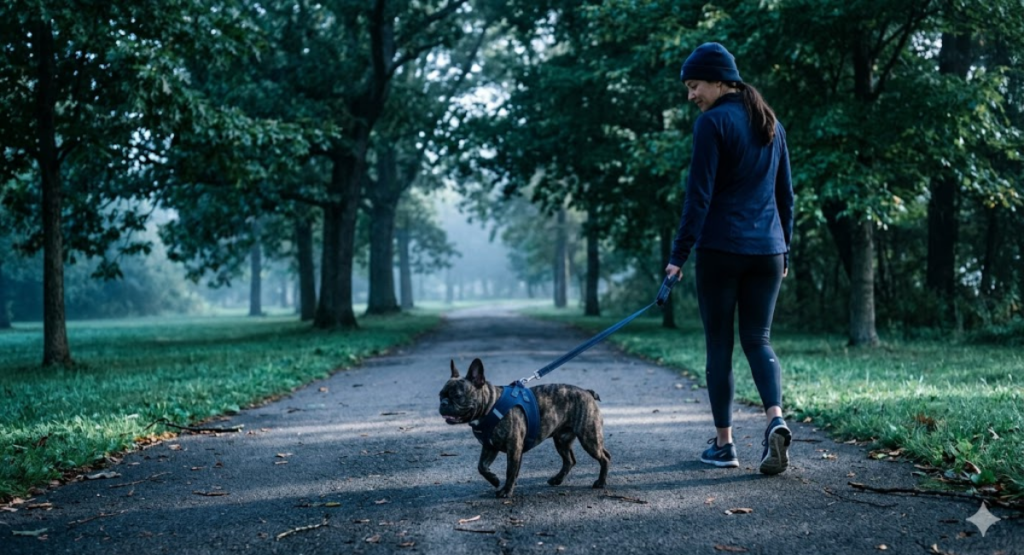
Traditional neck collars put pressure on the trachea, worsening breathing difficulties. Always use a well-fitted chest harness for walking your brachycephalic dog.
Keep Your Dog at a Healthy Weight
Obesity is one of the single biggest risk factors for worsening BOAS. Even a small amount of excess weight puts additional strain on the respiratory system and joints. Work with your vet to establish a healthy target weight and stick to it.
Climate Control Is Critical
Keep your home cool, particularly in summer. Brachycephalic dogs should not be outside for extended periods in temperatures above 75°F. If you live in a hot climate, air conditioning is not a luxury — it is a necessity.
Never Let Your Dog Near Unsupervised Water
Swimming is extremely dangerous for brachycephalic dogs. Their heavy heads, barrel chests, and breathing difficulties make it nearly impossible for them to keep their faces above water. Always supervise around pools, lakes, and even bathtubs, and invest in a well-fitted canine life jacket.
Schedule Regular Veterinary Checkups
Brachycephalic dogs benefit from more frequent veterinary visits than average. Discuss respiratory health, eye health, dental care, and weight management at every visit.
For more on keeping your dog healthy year-round, check out the expert guides in the Dog Health section at DogPulse.
Exercise and Activity Guidelines
Brachycephalic dogs need exercise — but it must be carefully managed.
Do:
- Go for short, frequent walks in the early morning or evening when temperatures are cooler
- Allow moderate play sessions indoors with air conditioning
- Monitor your dog constantly for signs of respiratory distress
- Stop and rest the moment you notice heavy breathing, stumbling, or open-mouth breathing
Don’t:
- Exercise in midday heat or humidity
- Force your dog to keep up with you on runs or hikes
- Allow vigorous play sessions that last more than 10–15 minutes without rest
- Use a retractable leash, which can allow a dog to overexert itself unexpectedly
Dogs with confirmed BOAS should have a tailored exercise plan discussed with their veterinarian or a veterinary cardiologist.
Feeding and Nutrition for Brachycephalic Dogs
Flat-faced dogs often struggle with eating due to their shortened jaw and breathing challenges. Choose food carefully.
Best Food Options
- Elevated bowls can help reduce the strain of eating for some dogs, though this should be discussed with your vet
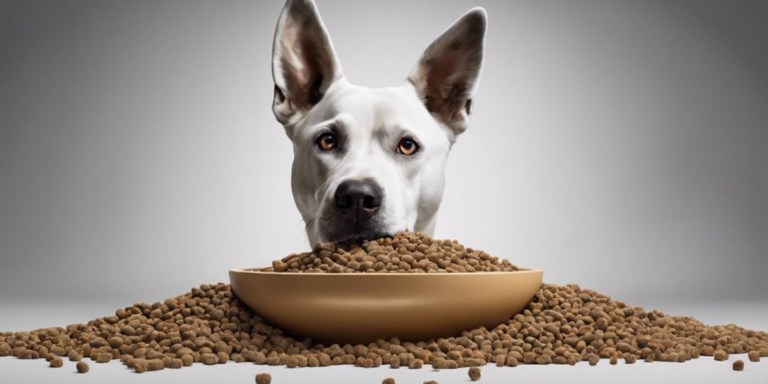
- Flat, wide food bowls prevent dogs from pushing their nose into a deep bowl and struggling to breathe while eating
- Choose high-quality, appropriately sized kibble or wet food that doesn’t require excessive chewing
- Avoid fast feeding — use slow feeder bowls to prevent gulping air, which can contribute to bloat
Foods to Avoid
Obesity is a major risk factor in brachycephalic dogs, so avoid high-calorie treats and table scraps. Stick to nutritionally complete dog food appropriate for your dog’s life stage and size.
If you’re exploring the best nutrition options for your dog, DogPulse’s dog food guides cover everything from limited ingredient diets to specialized formulas.
Grooming Your Flat-Faced Dog
Grooming brachycephalic dogs requires a few breed-specific steps beyond the basics.
Skin Fold Care
Clean skin folds daily or every other day using a soft, damp cloth or unscented baby wipe. Dry the folds completely after cleaning to prevent moisture buildup. Signs of infection include redness, odor, and discharge — contact your vet if you notice these.
Eye Care
Wipe away eye discharge gently with a clean, damp cloth each morning. Look for redness, cloudiness, or excessive tearing, and report any changes to your veterinarian promptly.
Ear Care
Many brachycephalic breeds have narrow ear canals prone to wax buildup and infections. Check and clean ears weekly with a vet-approved ear cleanser.
Coat Care
Coat care varies widely by breed — a Pug needs very different grooming than a Shih Tzu. Follow breed-specific grooming guidelines and schedule professional grooming as needed.
Traveling and Flying with Brachycephalic Dogs
Traveling with a brachycephalic dog requires careful planning, particularly when it comes to air travel.
Flying Restrictions
Many major airlines have restricted or banned brachycephalic dog breeds in cargo holds due to the risk of heat-related illness and respiratory distress. These include American Airlines, United Airlines, Delta, and others.
If your dog is small enough to fit in a cabin-approved carrier, in-cabin travel is generally safer. Always check the specific airline’s current breed restrictions before booking.
Road Travel
When traveling by car:
- Keep the air conditioning running at all times
- Never leave your dog in a parked car, even for minutes
- Make frequent stops for short, calm bathroom breaks
- Bring water and a portable bowl
When to See a Vet: Warning Signs
Seek immediate veterinary care if your brachycephalic dog shows any of the following:
- Blue or purple gums — indicates severe oxygen deprivation
- Gasping for air or complete inability to breathe normally
- Collapse or sudden weakness
- Prolonged, unrelenting panting in a cool environment
- Eye bulging or proptosis (eyeball displacement)
- Sudden changes in bark or voice
- Refusal to eat or drink combined with lethargy
These signs constitute a veterinary emergency. Transport your dog immediately to the nearest emergency animal hospital.
For general training and understanding dog behavior, visit the DogPulse dog training resources — a great complement to physical health care.
Expert Tips from Veterinary Professionals
“Choose a breeder who health-tests.” The American Kennel Club (AKC) and responsible breed clubs recommend purchasing brachycephalic puppies only from breeders who perform BOAS assessments, eye certifications, and cardiac screenings on breeding stock.
“Spay or neuter your brachycephalic dog at the same time as corrective surgery.” VCA Hospitals recommends combining airway surgery with a spay/neuter procedure to minimize the number of times a brachycephalic dog undergoes anesthesia.
“Inform your vet before any surgery.” Brachycephalic dogs carry increased anesthetic risk. Always ensure your veterinarian is aware of your dog’s breed and any known respiratory conditions before any procedure — even teeth cleanings.
“Don’t wait for symptoms to worsen.” Many owners assume snoring and heavy breathing are “just how the dog is.” In reality, these are signs of physical strain that often worsen with age. Early evaluation and intervention produce far better outcomes.
Common Mistakes Brachycephalic Dog Owners Make
Mistake #1: Using a neck collar. Always use a harness. A collar compresses the airway and can cause or worsen respiratory distress.
Mistake #2: Exercising in the heat. Brachycephalic dogs can go from fine to heat stroke very quickly. Always exercise in cool conditions.
Mistake #3: Assuming snoring is cute and harmless. Snoring in brachycephalic dogs is usually a sign of airway obstruction that deserves veterinary attention.
Mistake #4: Ignoring skin folds. Skin fold dermatitis is painful and preventable. Clean folds regularly.
Mistake #5: Allowing swimming unsupervised. These dogs can drown rapidly. Never leave them near water without a life jacket and constant supervision.
Mistake #6: Waiting too long for surgery. If your vet recommends BOAS surgery, early intervention (before age 2) is strongly associated with better outcomes.
Mistake #7: Over-feeding. Excess weight significantly worsens every health issue brachycephalic dogs face. Keep your dog lean.
FAQ: Your Top Questions Answered
What are brachycephalic dog breeds?
Brachycephalic dog breeds are dogs with genetically shortened skulls and flat faces, including breeds such as the French Bulldog, Pug, English Bulldog, Boston Terrier, Shih Tzu, Boxer, Cavalier King Charles Spaniel, and others. The term comes from Greek meaning “short head.”
Are brachycephalic dogs always in pain or distress?
Not always — but many do experience chronic discomfort from breathing difficulties, dental crowding, eye irritation, and skin fold infections. With proper veterinary care, weight management, and environmental modifications, many brachycephalic dogs can live comfortable, happy lives.
Can brachycephalic dogs swim?
Brachycephalic dogs should not swim unsupervised and should generally avoid swimming altogether. Their compressed airways, heavy heads, and barrel-shaped chests make it extremely difficult for them to stay afloat and breathe simultaneously. A canine life jacket is essential if they are ever near water.
How long do brachycephalic dogs live?
Lifespan varies by breed. Pugs and French Bulldogs typically live 10–12 years; Boxers 10–12 years; English Bulldogs 8–10 years. With proactive veterinary care and a healthy lifestyle, many brachycephalic dogs live full and joyful lives within their breed’s expected range.
Is BOAS surgery necessary?
Not always. Mild cases can be managed conservatively with weight control and lifestyle modifications. However, moderate to severe BOAS almost always requires surgical correction to prevent the condition from worsening. Your veterinarian or a board-certified veterinary surgeon can assess your dog’s specific needs.
Are brachycephalic dogs good for first-time owners?
They can be, with the right preparation. Their affectionate, adaptable personalities make them wonderful companions. However, first-time owners must be prepared for higher-than-average veterinary costs and specific care requirements. Research your chosen breed thoroughly before committing.
Why do brachycephalic dogs snore?
Snoring in brachycephalic dogs is caused by partial obstruction of the airway during sleep — often from an elongated soft palate, narrow nostrils, or everted laryngeal saccules. While snoring is extremely common in these breeds, it is a sign of airway restriction that should be evaluated by a veterinarian.
What is the healthiest brachycephalic dog breed?
Relative to other flat-faced dogs, Boston Terriers, Boxers, and Cavalier King Charles Spaniels are sometimes considered less severely affected by BOAS, though all brachycephalic breeds carry some level of respiratory risk. Individual health varies greatly depending on breeding practices and genetics. Always choose a breeder who conducts comprehensive health testing.
Can diet help with BOAS?
Diet cannot fix the anatomical causes of BOAS, but maintaining a healthy weight dramatically reduces symptom severity. Obesity worsens all aspects of brachycephalic syndrome. A veterinarian-approved, appropriately portioned diet is one of the most important things you can do for a brachycephalic dog’s respiratory health.
Do brachycephalic dogs need special food bowls?
Yes — wide, flat or shallow bowls are recommended to prevent brachycephalic dogs from pushing their noses into the bowl, which can make eating uncomfortable. Slow-feeder bowls can help prevent gulping air, which reduces the risk of bloat and gastrointestinal discomfort.
Conclusion
Brachycephalic dog breeds are among the most beloved, charismatic, and rewarding companions you can share your life with. Their expressive faces, gentle personalities, and unwavering loyalty make them extraordinary pets. But they come with unique responsibilities that every owner must take seriously.
Understanding brachycephalic obstructive airway syndrome, recognizing health warning signs early, keeping your flat-faced dog at a healthy weight, providing a cool environment, and building a strong relationship with a knowledgeable veterinarian are all non-negotiable parts of responsible brachycephalic dog ownership.
The good news? With the right care, these dogs thrive. Millions of French Bulldogs, Pugs, English Bulldogs, and Shih Tzus around the world are living happy, healthy, love-filled lives — because their owners chose to educate themselves.
You’re already doing that by being here. Now take the next step: schedule a full health evaluation with your vet, invest in a good harness, and start building the healthiest possible life for your flat-faced best friend.
Ready to learn more? Explore DogPulse for expert guides on dog food, health, and training — everything your dog needs to thrive.