
If you’ve watched your dog scratch endlessly, visit the vet repeatedly, and still find no real answers — you’re not alone. Millions of American dog owners face this exact frustration every single year. The culprit isn’t always environmental allergens or parasites. Sometimes, it’s sitting right there in the food bowl. A limited ingredient diet for dogs strips away the unnecessary extras and gives your dog’s body a genuine chance to heal, breathe, and thrive.
This guide covers everything you need to know. You’ll learn what a limited ingredient diet actually is, which signs point toward needing one, the best products available in the USA today, how to transition safely, and answers to every question dog owners ask most. Whether your dog has a sensitive stomach, recurring skin issues, or you simply want cleaner, more transparent nutrition — this is the guide you’ve been looking for.
What Is a Limited Ingredient Diet for Dogs?
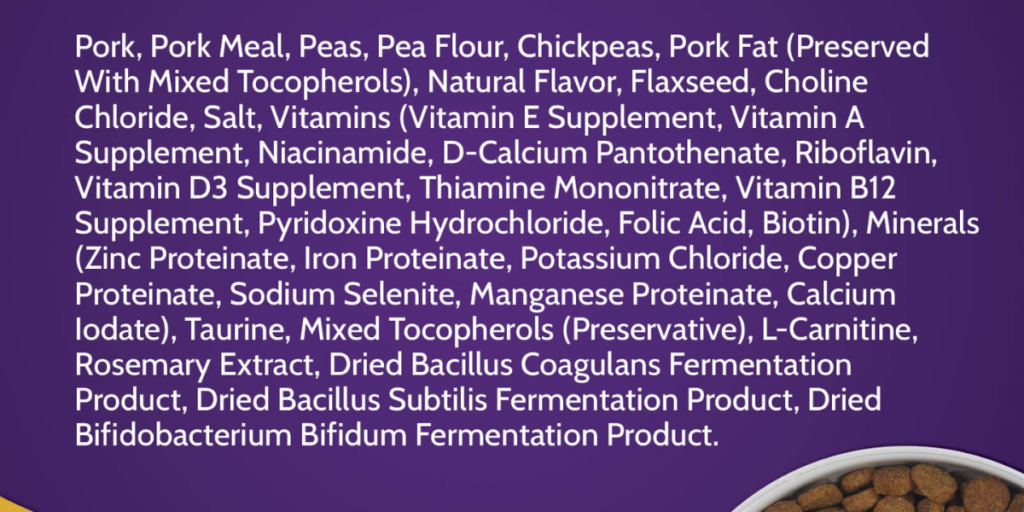
Think of a standard bag of dog kibble like a fast-food combo meal — packed with ingredients, fillers, flavor enhancers, and preservatives that look fine on the surface but aren’t doing your dog any real favors. A limited ingredient diet for dogs, by contrast, is more like a clean, five-ingredient home-cooked meal. It uses a single named animal protein, one or two digestible carbohydrate sources, and skips every unnecessary additive. Most quality LID formulas contain between 5 and 10 total ingredients, compared to the 25 to 40 ingredients crammed into many conventional dog foods.
What makes LID genuinely different is its transparency. You know exactly what your dog is eating and — crucially — exactly what they’re not eating. The formula is built around a single-source animal protein like deboned salmon, duck, or lamb, paired with a simple carbohydrate like sweet potato or brown rice. It’s worth knowing that a limited ingredient diet is not the same as a veterinary elimination diet, which is a strict diagnostic tool used under clinical supervision to identify specific food allergens. LID is a long-term lifestyle choice that supports dogs prone to food intolerance, digestive sensitivity, or hypoallergenic dog food needs. Many USA vets now recommend it as a first-line dietary strategy before jumping to prescriptions or specialist referrals.
How Many Ingredients Is “Limited”?
There’s no federal regulation in the USA that defines exactly how many ingredients qualify a food as “limited ingredient.” However, the industry standard sits at roughly 5 to 10 ingredients per formula, compared to the 25 to 40 found in mainstream kibbles. What matters more than the number is the type of ingredients. Every formula must still meet AAFCO (Association of American Feed Control Officials) nutritional standards to be labeled “complete and balanced.” That means your dog isn’t missing out on essential vitamins, minerals, or amino acids simply because the formula is simpler. The simplicity is strategic, not nutritionally compromised.
Is Limited Ingredient the Same as Grain-Free?
This is one of the most common misconceptions in the dog food world — and it leads pet owners astray constantly. A limited ingredient diet is not automatically grain-free. Many high-quality LID formulas include healthy, digestible grains like oatmeal, brown rice, or quinoa, which actually offer excellent nutritional value and fiber for digestive health. Grain-free refers specifically to the absence of grains, and while there is overlap between grain-free and LID products, they are separate concepts. The full grain-free versus grain-inclusive debate — including the FDA’s investigation into dilated cardiomyopathy — gets covered in its own section later in this guide.
Signs Your Dog May Need a Limited Ingredient Diet
Your dog can’t tell you something is wrong with their food. But their body does — loudly and repeatedly, if you know what to look for. The most obvious physical signs that food may be the root cause of your dog’s discomfort include persistent itching, paw licking or chewing, recurring ear infections, red or inflamed skin (especially on the belly, groin, and armpits), dull or brittle coat, chronic loose stools, and excessive gas. These symptoms often get misdiagnosed as seasonal allergies or environmental reactions when, in reality, the trigger is an ingredient your dog eats every single day. One vivid way to think about it: if your dog’s belly looks like a road map of red patches and the scratching never really stops regardless of season — food deserves serious investigation.
Beyond physical symptoms, behavioral signs can also point toward dietary distress. Dogs experiencing gut discomfort often display restlessness after meals, reluctance to eat, scooting across the floor, or unusual food-seeking behavior. It’s always important to confirm your suspicions with a licensed veterinarian before switching diets, especially if symptoms are severe or long-standing. That said, many USA vets now advocate for trying a quality limited ingredient diet for dogs before moving to prescription food or expensive allergy testing. The dietary switch is lower cost, lower risk, and frequently produces visible results within just a few weeks.
Common Food Allergens in Dogs

According to research published in veterinary dermatology journals, the most common food allergens identified in dogs in the USA are beef, dairy products, wheat, chicken, and soy — in that order. Chicken alone is cited in approximately 15% of confirmed canine food allergy cases, which is striking given that chicken is the number-one protein found in mainstream dog food brands. This creates a frustrating irony: the most popular ingredient is also one of the most likely triggers. If your dog has been eating chicken-based kibble for years and continues to show allergy symptoms, switching to a novel protein LID — such as venison, rabbit, or kangaroo — may produce a dramatic improvement. For further clinical guidance, the American Veterinary Medical Association provides updated resources on food hypersensitivity in companion animals.
| Common Allergen | Estimated Prevalence in Canine Food Allergies |
|---|---|
| Beef | 34% |
| Dairy | 17% |
| Wheat | 16% |
| Chicken | 15% |
| Soy | 6% |
| Lamb | 5% |
| Corn | 4% |
Key Benefits of Limited Ingredient Dog Food
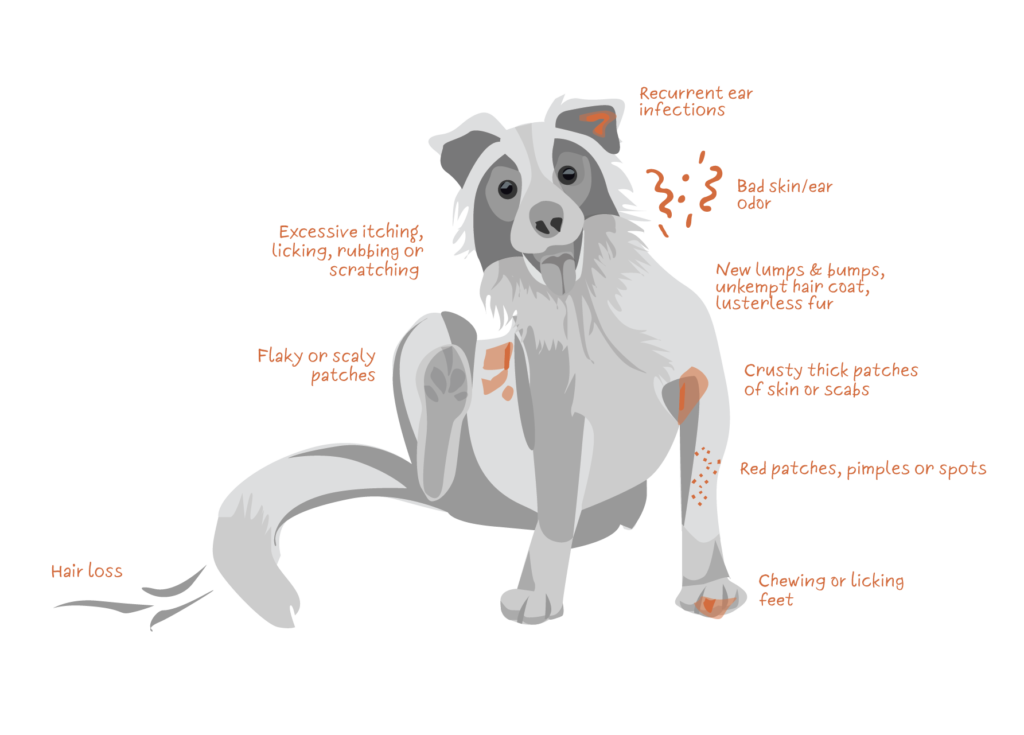
The primary reason millions of USA dog owners switch to limited ingredient dog food is allergy management — and the results speak for themselves. When you remove the clutter of 30-plus ingredients and replace them with a single clean protein and a handful of simple carbohydrates, the immune system has far fewer triggers to react to. Dogs with skin allergies frequently show visible improvement within four to eight weeks of switching, including reduced redness, less scratching, and a noticeably healthier coat. Many quality LID formulas built around proteins like salmon or duck are naturally rich in omega-3 and omega-6 fatty acids, which directly support skin and coat health at the cellular level. It’s not just cosmetic — healthy skin is the body’s largest organ and a strong indicator of overall systemic health.
Beyond skin and coat benefits, the advantages extend deep into your dog’s digestive system. Simpler ingredient lists are easier for the gut to process, which means less intestinal inflammation, more consistent stool quality, and better absorption of nutrients. Dogs with chronic digestive issues — including soft stools, excessive gas, and irregular bowel movements — often see marked improvement within one to two weeks of switching. Over the long term, cleaner nutrition also supports immune system function, healthier energy levels, and even joint health, particularly in formulas that include natural sources of glucosamine and chondroitin. When you think about it holistically, a limited ingredient diet isn’t just about removing bad things — it’s about creating the nutritional clarity that lets good things actually work.
LID vs Regular Dog Food: Side-by-Side Comparison
| Feature | Limited Ingredient Diet | Regular Dog Food |
|---|---|---|
| Average ingredient count | 5–10 | 25–40 |
| Allergen risk | Low | Medium to High |
| Digestibility | High | Moderate |
| Transparency of sourcing | High | Variable |
| Average cost per month (USA) | $55–$90 | $30–$60 |
| AAFCO certified options | Yes | Yes |
What to Look For in a Limited Ingredient Dog Food
Reading a dog food label is a skill — and once you learn it, you can’t unlearn it. The single most important factor in any limited ingredient dog food is the protein source. The first ingredient listed should always be a single, named animal protein: “deboned salmon,” “duck meal,” or “lamb” are strong examples. Vague terms like “meat meal,” “animal by-products,” or “poultry” are red flags because they offer no transparency about what species, what quality, or what part of the animal you’re actually feeding your dog. Novel proteins — those your dog hasn’t been exposed to before, like venison, bison, rabbit, or kangaroo — are especially valuable for dogs with known sensitivities to chicken or beef, because there’s no prior immune reaction history to trigger an allergic response. Single-source animal protein is the gold standard. Everything else on the label supports it.
After protein quality, the second thing to scrutinize is what isn’t in the formula. Quality LID products avoid corn, wheat, soy, artificial preservatives like BHA and BHT, artificial flavors, and synthetic colors. These are the ingredients most commonly associated with inflammation, digestive upset, and allergic reactions in sensitive dogs. When practicing dog food label reading, look for short ingredient lists where you can pronounce and recognize every single item. If the carbohydrate source is sweet potato, peas, or brown rice — good. If it’s a long list of grain fractions, starches, and unnamed “meals” — put it back on the shelf. Your dog’s food should read more like a farmers market receipt than a chemistry textbook.
AAFCO Certification: Why It Matters for USA Dog Owners
The Association of American Feed Control Officials (AAFCO) sets the nutritional standards that determine whether a dog food is “complete and balanced” for a given life stage. This is a non-negotiable baseline. When a limited ingredient diet carries the AAFCO statement on its label — either “formulated to meet AAFCO nutritional profiles” or “animal feeding tests substantiate” — it means your dog can eat this food as their sole diet without developing nutritional deficiencies. Some pet owners worry that LID’s simplicity means it cuts corners nutritionally. In reality, quality manufacturers add vitamins, minerals, and trace nutrients to compensate for the reduced ingredient variety, ensuring your dog gets everything they need from a simple but complete formula.
Grain-Free vs Grain-Inclusive Within LID (Preview)

Within the limited ingredient diet category, both grain-free and grain-inclusive options exist — and each has a rightful place depending on your dog’s specific needs. Grain-inclusive LIDs using oatmeal, brown rice, or barley offer digestible fiber and steady energy without unnecessary complexity. Grain-free LIDs, meanwhile, work best for dogs with confirmed grain sensitivities. The full comparison, including the FDA’s DCM warning, is covered in detail in its own dedicated section below.
Best Limited Ingredient Dog Foods (Top Picks)
Choosing the right limited ingredient diet for dogs from the dozens of options on the US market can feel overwhelming. The top picks below were selected based on four key criteria: ingredient quality and sourcing transparency, AAFCO nutritional compliance, verified customer feedback from USA pet owners, and real-world availability through national retailers and online platforms like Chewy and Amazon. There’s no filler here — just honest, tested recommendations for dogs at various life stages, price points, and sensitivity levels.
Whether your dog has a confirmed chicken allergy, a notoriously sensitive stomach, or you’re simply making a proactive switch to cleaner nutrition, there’s an ideal LID option in the list below. Each pick includes the primary protein source, grain status, what it’s best suited for, and a general price tier so you can make the most informed decision for your dog and your budget.
Best Overall: Natural Balance L.I.D. Limited Ingredient Diets
Natural Balance has built its entire brand identity around limited ingredient nutrition, making it one of the most trusted names in the LID space in the USA. Their flagship formula uses a single animal protein — often salmon or lamb — paired with one carbohydrate like brown rice or sweet potato. It’s AAFCO-certified, widely available at PetSmart, Petco, and Chewy, and comes in both dry and wet formats. This is the go-to recommendation for most dogs starting their first LID journey.
Best Grain-Free: Merrick Limited Ingredient Diet
Merrick’s LID line puts deboned meat, fish, or poultry as the #1 ingredient — always. The formula contains no corn, wheat, or soy, and includes added glucosamine and chondroitin for hip and joint support, which is a standout feature compared to most competitors at this price point. Their grain-free options use lentils and sweet potato as the carbohydrate base. It’s particularly well-suited for active, medium-to-large breeds with chicken or beef sensitivities.
Best for Sensitive Stomachs: Hill’s Science Diet Simple
Hill’s Science Diet Simple is a veterinarian-recommended option for dogs with documented digestive sensitivity. It uses a short, clean ingredient list and a highly digestible protein base, typically real salmon or egg. It’s one of the most frequently recommended options in USA veterinary clinics, and while it sits at a slightly higher price point, the digestibility and clinical backing make it worth the investment for dogs with serious gut issues.
Best Budget Pick: Purina Beyond Simple Ingredients
For USA dog owners looking to make the switch to cleaner nutrition without dramatically increasing their monthly food budget, Purina Beyond Simple Ingredients is a strong contender. It uses real, named proteins as the first ingredient, avoids artificial preservatives and flavors, and carries AAFCO certification. It’s available at Walmart and most major grocery chains, making it the most accessible LID on this list.
Best Raw/Freeze-Dried: Instinct Raw Limited Ingredient
Instinct Raw Limited Ingredient brings the nutritional density of raw feeding into a practical, shelf-stable format. The freeze-drying process preserves natural enzymes and high bioavailability of nutrients without requiring refrigeration. It’s an excellent choice for owners who want a raw-adjacent approach with minimal ingredient complexity. Storage and handling do require a bit more attention than standard kibble, but the nutritional payoff — especially for dogs with severe sensitivities — is significant.
| Brand | Protein Source | Grain-Free? | Best For | Price/Month (Approx.) |
|---|---|---|---|---|
| Natural Balance L.I.D. | Salmon / Lamb | Optional | Best overall starter LID | $55–$70 |
| Merrick L.I.D. | Deboned Meat/Fish | Yes | Active dogs, joint support | $65–$80 |
| Hill’s Science Diet Simple | Salmon / Egg | No | Sensitive stomachs, vet-recommended | $75–$90 |
| Purina Beyond Simple | Chicken / Salmon | No | Budget-conscious owners | $35–$50 |
| Instinct Raw L.I.D. | Turkey / Lamb | Yes | Severe sensitivities, raw feeding | $80–$110 |
Limited Ingredient Diets by Dog Type
A limited ingredient diet for dogs is not a single universal solution — it’s a category that needs to be matched carefully to your dog’s life stage, size, and activity level. A 10-pound senior Chihuahua and a 90-pound working Labrador Retriever have vastly different caloric, protein, and mineral requirements, even if both benefit from simpler ingredient profiles. Treating all dogs as one homogenous group when choosing an LID is one of the most common mistakes USA pet owners make. The right formula for your dog depends on who your dog actually is — not just what allergy they have.
Highly active breeds and working dogs need LID formulas with elevated protein percentages (28% or higher) and higher fat content to sustain energy and muscle recovery. Conversely, overweight or sedentary dogs need LIDs with controlled calorie density to avoid compounding weight-related health issues. The good news is that the LID market in the USA has expanded significantly in recent years, and breed-specific or life-stage-specific options are now more available than ever across both premium and mid-range price tiers.
LID for Puppies
Puppies have the most demanding nutritional requirements of any life stage. An LID formula fed to a puppy must be certified by AAFCO as appropriate for “growth” or “all life stages” — a formula labeled only for “adult maintenance” will not provide the elevated calcium, phosphorus, DHA, and caloric density that a developing puppy needs. DHA, an omega-3 fatty acid sourced from fish oil, is particularly critical for healthy brain and eye development in the first year of life. Always verify the life stage statement on the label before feeding any LID to a puppy, regardless of how clean or high-quality the ingredients appear.
LID for Senior Dogs
Senior dogs — generally defined as dogs over 7 years old for large breeds and over 10 for small breeds — benefit enormously from the digestibility of a limited ingredient diet. Aging digestive systems process simpler formulas more efficiently, reducing the inflammation associated with complex ingredient lists. The best senior LID formulas also include added glucosamine and chondroitin for joint support, lower caloric density to prevent age-related weight gain, and easily chewable kibble sizes for dogs with dental sensitivities. Softer texture wet-food LID options are also worth exploring for older dogs who struggle with dry kibble.
LID for Small Breeds vs Large Breeds
Small breeds have faster metabolisms and need higher caloric density per pound of body weight, which means their LID formula should have a higher fat content relative to carbohydrates. Small-breed specific LID formulas also feature smaller kibble sizes designed for smaller jaws and teeth. Large breed dogs, particularly those still growing (under 18 months), need carefully controlled calcium-to-phosphorus ratios to support healthy bone development without accelerating growth too quickly — which is a genuine risk factor for orthopedic problems in breeds like Great Danes, Mastiffs, and German Shepherds.
Grain-Free vs Grain-Inclusive: Which Is Better?
In 2018 and 2019, the FDA began investigating a potential link between grain-free dog diets and an increase in reported cases of dilated cardiomyopathy (DCM) — a serious and potentially fatal heart condition — in dog breeds not genetically predisposed to the disease. The investigation focused particularly on formulas high in legumes like peas, lentils, and chickpeas, which are commonly used as carbohydrate substitutes in grain-free products. The research is still ongoing and no definitive causal link has been formally established, but the FDA’s findings prompted many USA veterinarians to reconsider blanket grain-free recommendations. You can read the FDA’s official investigation statement here. Grain-free dog food DCM risk is a real consideration — and it deserves honest acknowledgment rather than dismissal.
That said, grain-free diets aren’t inherently dangerous — they simply carry a level of uncertainty that grain-inclusive diets currently don’t. Dogs with confirmed grain allergies (which are less common than most people assume — true grain allergies account for a small minority of canine food sensitivity cases) do benefit from grain-free LID options. For the vast majority of dogs, however, healthy grains for dogs like oatmeal, brown rice, barley, and quinoa are well-tolerated, easily digestible, and provide excellent nutritional value including B vitamins, fiber, and steady-release carbohydrate energy. Choosing grain-inclusive doesn’t mean choosing inferior — it often means choosing smarter.
Grain-Free LID: Pros and Cons
Grain-free limited ingredient diets offer real benefits for dogs with confirmed grain sensitivities. They tend to have a lower glycemic index than grain-based alternatives, which can support better blood sugar stability in dogs prone to weight gain or diabetes. They also eliminate wheat and corn as potential allergen sources. The drawbacks, however, are significant: the FDA DCM concern, the frequent use of legume fillers like peas and lentils as carbohydrate replacements (which may interfere with taurine absorption, a critical cardiac nutrient), and a generally higher price point compared to grain-inclusive options. If you’re considering grain-free for your dog, a conversation with your veterinarian is strongly advised before making the switch.
Grain-Inclusive LID: Pros and Cons
Grain-inclusive limited ingredient diets have the stronger safety track record based on current research. They provide digestible fiber from sources like oatmeal and brown rice, support a stable gut microbiome, and avoid the legume-heavy formulas currently under FDA scrutiny. They are also typically more affordable than grain-free counterparts. The primary downside is that they’re not suitable for the small subset of dogs with confirmed grain allergies — though it’s worth confirming with an elimination diet test before assuming grain is the problem, since many owners eliminate grains unnecessarily.
How to Transition Your Dog to a Limited Ingredient Diet
Switching your dog’s food abruptly is one of the most common — and avoidable — mistakes a pet owner can make. The canine gut microbiome is a complex, delicately balanced ecosystem, and throwing a completely new food formula into it without preparation triggers a predictable cascade of digestive chaos: loose stools, vomiting, bloating, and flat-out food refusal. Think of it this way — you wouldn’t personally go from eating pizza and pasta every day to a strict clean-eating regimen overnight without expecting your body to revolt. Your dog’s digestive system deserves the same consideration and patience. The good news is that a proper dog food transition schedule is straightforward to follow and genuinely prevents 90% of the problems associated with food switching.
Beyond digestive logistics, a gradual transition also gives you valuable observational data. As you slowly increase the proportion of new food over 7 days, you can watch for early signs of reaction — or, more hopefully, early signs of improvement. Many dog owners report noticing firmer stools within the first week, reduced scratching within three to four weeks, and a visibly healthier coat within six to eight weeks. Staying patient through the transition period — and not abandoning the new food after a single rough day — is the key to getting meaningful results from your limited ingredient diet for dogs.
7-Day Transition Plan (Step-by-Step)
This transition schedule works for most adult dogs. Puppies and dogs with very sensitive stomachs may benefit from extending this to 10–14 days by slowing down the ratio increases.
| Day | Old Food | New LID Food |
|---|---|---|
| Day 1–2 | 75% | 25% |
| Day 3–4 | 50% | 50% |
| Day 5–6 | 25% | 75% |
| Day 7 | 0% | 100% |
What to Do If Your Dog Refuses the New Food
Food refusal during a diet transition is common — but it’s rarely the crisis it feels like in the moment. Dogs are intelligent and often resistant to change, especially if they’ve been eating the same highly palatable (often artificially flavored) food for months or years. Try warming the new food slightly with warm water or a splash of low-sodium chicken broth to enhance the aroma. You can also mix in a small spoonful of plain, unsweetened pumpkin puree, which aids digestion and adds palatability. If your dog skips a meal, don’t panic — healthy dogs can safely skip one or two meals during a transition without any health risk. What you should avoid is caving and returning to the old food at the first sign of reluctance, because that teaches your dog that refusal is a winning strategy.
Frequently Asked Questions About Limited Ingredient Diets

Before you head to the pet store or pull up Chewy to place your first LID order, here are the questions USA dog owners ask most about limited ingredient diets for dogs — answered directly, honestly, and without unnecessary complexity.
Are Limited Ingredient Diets Nutritionally Complete?
Yes — provided the formula carries an AAFCO “complete and balanced” statement on the label. This certification confirms that the food meets all minimum nutritional requirements for your dog’s life stage, despite the shorter ingredient list. Quality LID manufacturers add chelated vitamins and minerals to compensate for the reduced ingredient variety, ensuring your dog receives adequate levels of calcium, phosphorus, vitamin E, vitamin D, zinc, and all other essential micronutrients. Never feed any dog food — LID or otherwise — that lacks this AAFCO statement as a sole diet.
Can All Dogs Eat Limited Ingredient Dog Food?
Any healthy dog can eat a quality LID, but not every dog needs one. Dogs without food sensitivities, allergies, or digestive issues will thrive perfectly well on a conventional, high-quality complete diet. LID is most valuable — and most impactful — for dogs who show signs of food-triggered allergies, chronic digestive problems, or recurring skin and ear issues. Feeding LID to a dog with no sensitivities won’t cause harm, but it’s also not a magic performance upgrade. It’s a targeted nutritional solution, most powerful when used for the right dog at the right time.
Are Limited Ingredient Dog Foods More Expensive?
Generally, yes. Quality LID products in the USA typically run 15 to 40 percent higher than comparable conventional dog food at the same kibble weight. However, the cost calculus changes significantly when you factor in what you save downstream. Many USA dog owners who switch to LID report a meaningful reduction in vet visits for allergy flare-ups, ear infections, and skin conditions — costs that can easily run $200 to $500 or more per year. When framed that way, the premium on LID dog food can actually represent a net financial saving for allergy-prone dogs over a 12-month period.
Can I Make My Own Limited Ingredient Dog Food at Home?
Homemade LID is technically possible but genuinely risky without guidance from a board-certified veterinary nutritionist. Research consistently shows that the vast majority of homemade dog food recipes found online — even those authored by well-intentioned sources — fail to meet AAFCO minimum nutritional standards, particularly for calcium, zinc, vitamin D, and essential fatty acids. Nutritional deficiencies in dogs don’t always show up immediately. They accumulate silently over months before manifesting as serious health problems. If you want to explore homemade options, consult PetMD’s veterinary nutrition resources or request a referral to a veterinary nutritionist who can formulate a properly balanced recipe specific to your dog’s size, age, and health status.
How Long Before I See Results?
Digestive improvements — firmer stools, less gas, more consistent bowel movements — typically appear within one to two weeks of completing the transition. Skin and allergy-related improvements, including reduced itching and less redness, generally take four to eight weeks to become clearly visible. Coat quality changes, such as increased shine and reduced shedding, often take eight to twelve weeks to become noticeable. It’s important to maintain realistic expectations and not abandon the dietary switch before the eight-week mark, which is the minimum observation period most veterinary dermatologists recommend for assessing the impact of a food change on allergic skin disease.
Final Verdict: Is a Limited Ingredient Diet Right for Your Dog?
A limited ingredient diet for dogs isn’t a fad, a gimmick, or a luxury reserved for pampered pets. It’s a practical, evidence-supported nutritional strategy that removes dietary noise and gives your dog’s immune and digestive systems the clarity they need to function properly. For dogs with recurring allergies, chronic skin conditions, persistent digestive trouble, or mysterious symptoms that haven’t responded to other interventions — LID is one of the most logical and lowest-risk first steps any USA dog owner can take.
That said, LID isn’t a guaranteed cure-all. Some dogs have environmental allergies unrelated to food. Some have conditions that require veterinary medication regardless of diet. The smartest approach is always to involve your vet — especially if symptoms are severe, sudden, or have persisted for more than a few months. But for the millions of American dogs silently suffering from food-triggered inflammation, the answer may truly be as simple as changing what’s in the bowl. Pick a quality product from the recommendations above. Follow the 7-day transition plan. Give it a full eight weeks. Your dog can’t tell you what’s wrong — but their coat, energy, and comfort will tell you very clearly when something is finally right.
Quick Decision Guide: Should You Try a Limited Ingredient Diet?
| Your Dog’s Situation | Recommendation |
|---|---|
| Chronic itching, paw licking, recurring ear infections | Try LID with a novel protein (venison, duck, rabbit) |
| Chronic loose stools or gas with no known cause | Try grain-inclusive LID with salmon or lamb |
| Healthy dog, no symptoms | Optional upgrade — not essential |
| Puppy showing early skin issues | Consult vet first, then consider AAFCO-certified puppy LID |
| Senior dog with joint issues + digestive sensitivity | LID with glucosamine, lower calorie density |
| Dog with confirmed grain allergy | Grain-free LID — discuss DCM risk with vet first |