Best Dog Food for Weight Gain: Complete Guide for Healthy Weight Increase
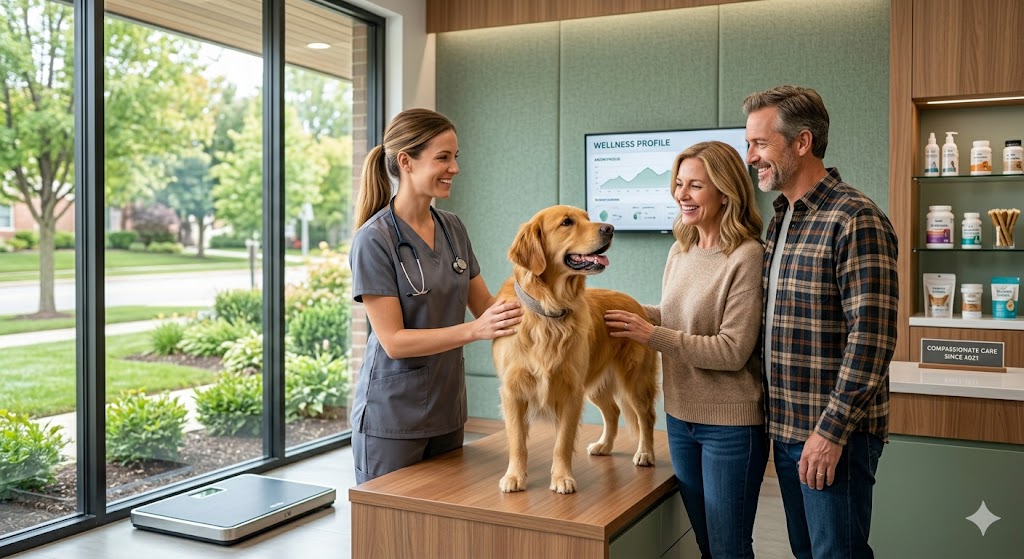
If your dog looks underweight, weak, or is struggling to maintain a healthy body condition, choosing the right dog food for weight gain is very important. Proper nutrition helps your dog gain weight safely, build lean muscle, and improve overall energy levels.
In this complete guide, you will learn:
- How to identify an underweight dog
- Causes of weight loss in dogs
- Best types of high-calorie dog food
- Feeding tips for healthy weight gain
- When to consult a veterinarian
🩺 What Is the Best Dog Food for Weight Gain?
The best dog food for weight gain is one that provides balanced nutrition with high energy density while supporting muscle development.
A high-quality weight gain diet should be:
✔ High in protein (supports muscle growth)
✔ Rich in healthy fats (provides energy)
✔ Easily digestible
✔ Highly palatable (encourages eating more)
👉 According to the American Kennel Club (AKC), balanced nutrition with proper protein and fat levels is essential for healthy weight management:
https://www.akc.org
🧠 Key Nutrients for Healthy Weight Gain
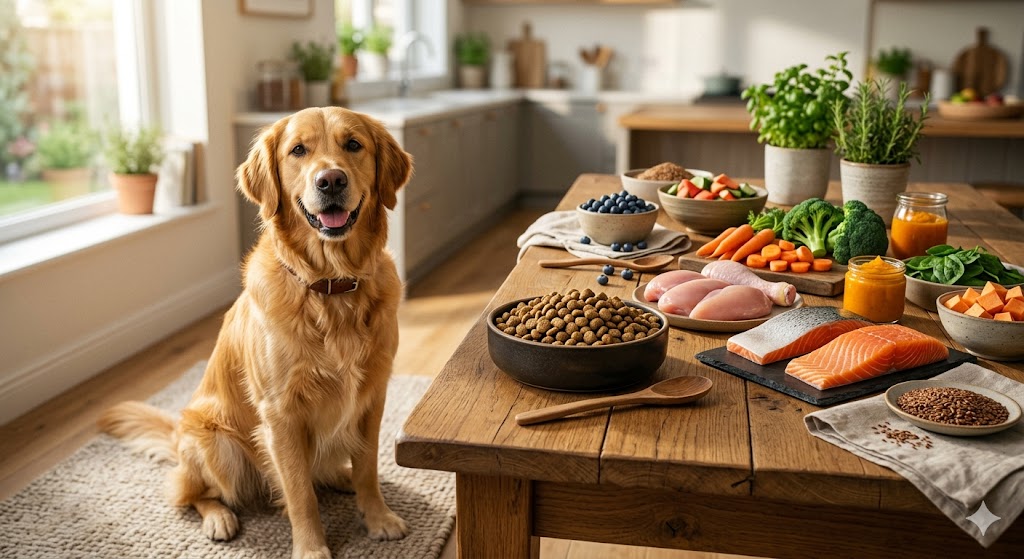
- Protein: Builds muscle mass
- Fats: Provide concentrated calories
- Carbohydrates: Supply energy
- Vitamins & Minerals: Support immunity and metabolism
A high-protein dog food for weight gain is especially important for active dogs or dogs recovering from illness.
🐕 How to Tell if Your Dog Is Underweight
Before changing diet, check if your dog is actually underweight.
Common signs include:
- Visible ribs, spine, or hip bones
- Lack of body fat
- Low energy or fatigue
- Dull or dry coat
- Reduced muscle mass
📊 Body Condition Score (BCS)
Veterinarians use the BCS system to evaluate dog weight status. A healthy dog should have:
- Visible waist
- Ribs felt but not seen
👉 Learn more from PetMD:
https://www.petmd.com
⚠️ Why Is My Dog Losing Weight?
Weight loss in dogs can happen for many reasons:
- Poor-quality diet
- Parasites or worms
- Stress or anxiety
- Chronic illness or infection
- Dental problems (pain while eating)
If weight loss is sudden or unexplained, always consult a veterinarian.
🍽️ Dog Losing Weight but Eating Normally
If your dog is eating normally but still losing weight, possible causes include:
- Poor nutrient absorption
- Intestinal parasites
- High energy expenditure
- Metabolic disorders
👉 In such cases, switching to a nutrient-dense dog food for weight gain may help, but medical evaluation is strongly recommended.
🐾 Why Senior Dogs Lose Weight
Older dogs often lose weight due to:
- Slower metabolism
- Muscle loss (sarcopenia)
- Reduced appetite
- Age-related diseases
🦴 Best food for senior dogs:
- Soft texture food
- High protein + moderate fat
- Easy-to-digest formulas
📈 How to Help a Dog Gain Weight Safely
To ensure healthy weight gain, follow these proven steps:
🥣 Feeding Strategy
- Feed 3–4 small meals per day
- Avoid one large meal
🥩 Nutrition Boost
- Use high-calorie dog food
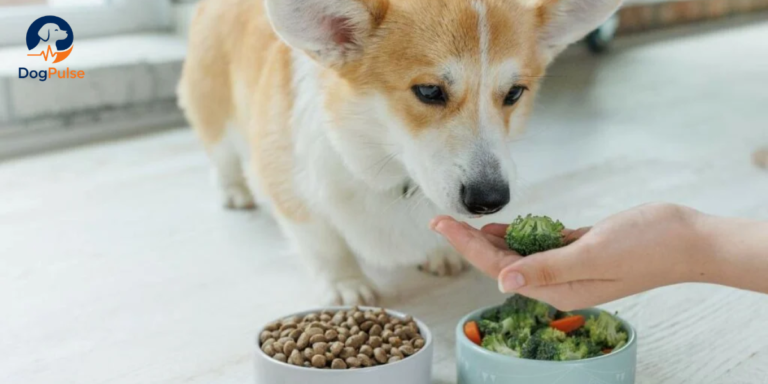
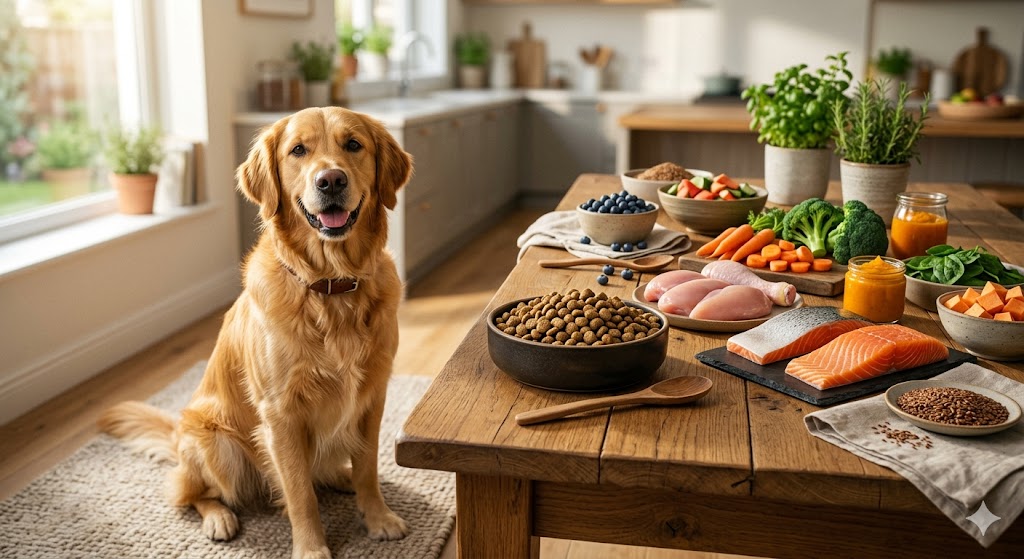
- Add boiled chicken, eggs, or fish oil
- Choose high-protein formulas
🐕 Lifestyle Tips
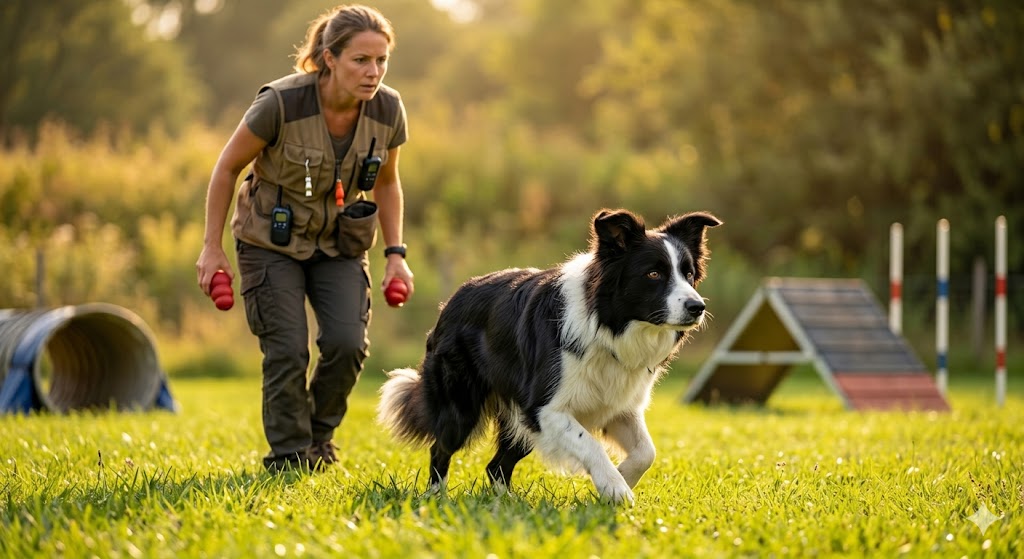
- Reduce stress during feeding
- Monitor weight weekly
- Ensure light exercise for muscle building
🥗 Types of Dog Food for Weight Gain
1. Calorie-Dense Dog Food
Small portions with high energy content.
2. High-Protein Diets
Supports muscle growth and recovery.
3. Digestible Formulas
Easy for weak or sick dogs to absorb nutrients.
4. Palatable Foods
Encourage picky eaters to eat more.
🏆 Best Nutritional Options for Weight Gain
🏥 Veterinary Prescription Diets
Recommended for underweight or recovering dogs.
👉 Example brands are often reviewed by veterinary nutritionists.
🐶 Puppy Food (All Life Stages)
Naturally high in calories and protein.
🏃 Performance Dog Food
Designed for active and working dogs.
👉 Hill’s Pet Nutrition provides science-based diets for weight management:
https://www.hillspet.com
🧪 Tips for Faster & Healthy Weight Gain
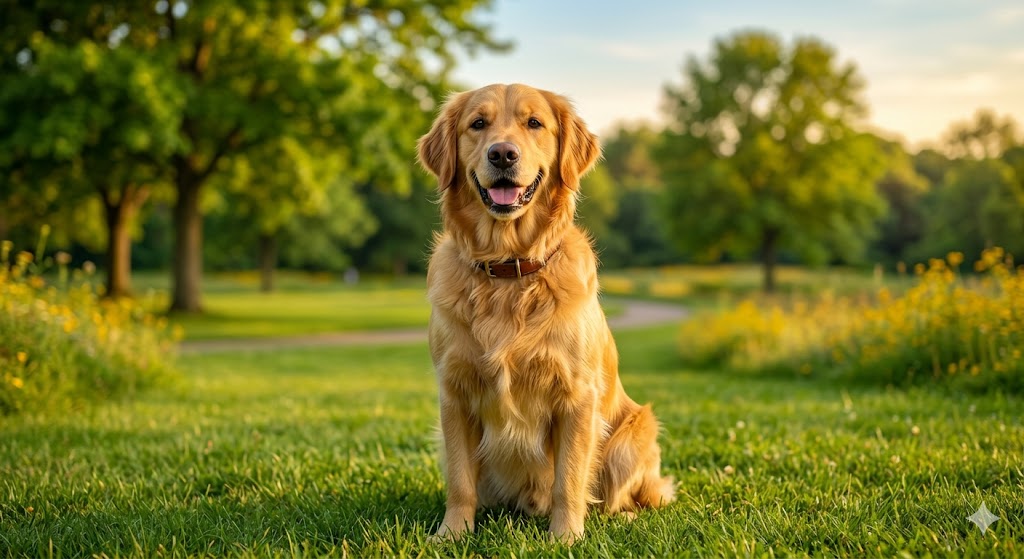
- Add wet food with dry kibble
- Increase feeding frequency
- Use high-quality protein sources
- Avoid low-quality fillers (corn, soy)
- Track weight every week
🧬 What Is a Healthy Weight for Dogs?
A healthy weight depends on:
🐕 Breed Standards
Every breed has its own ideal weight range.
📊 Body Condition Score
Veterinary standard for fat and muscle assessment.
⚖️ Individual Factors
- Age
- Activity level
- Metabolism
🚨 Signs Your Dog Needs Weight Gain
- Visible bones
- Weak muscles
- Low stamina
- Poor coat condition
If these signs appear, a weight gain dog food plan should be started immediately.
❗ Important Factors Causing Low Weight
- Poor diet quality
- Internal parasites
- Chronic illness
- Stress
- Aging
Always identify the root cause first.
🧾 Final Thoughts
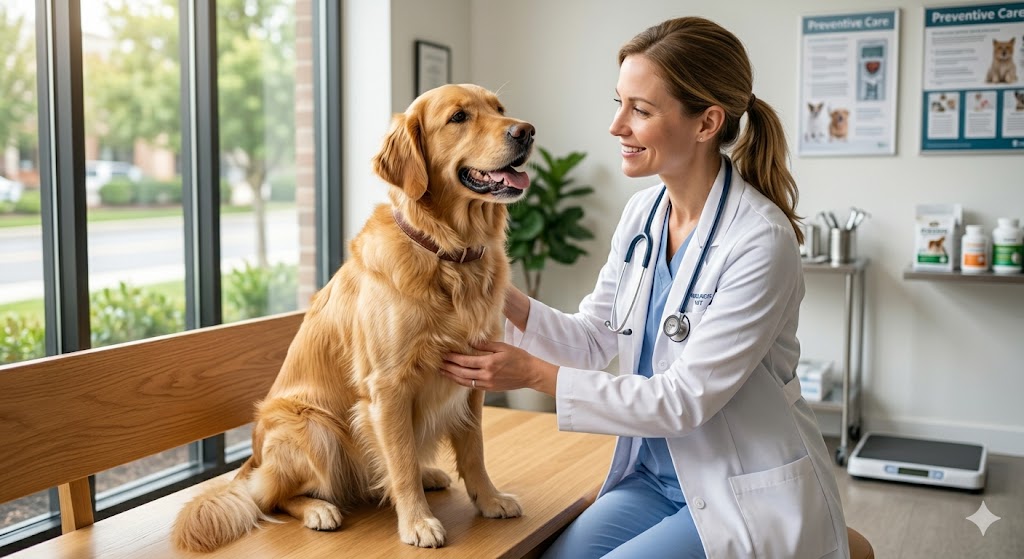
Choosing the best dog food for weight gain is not just about adding calories—it’s about improving your dog’s overall health, energy, and muscle strength.
A combination of:
- High-protein nutrition
- Balanced feeding schedule
- Veterinary care
ensures safe and long-term weight improvement.
If your dog is underweight, start early and provide a consistent, nutrient-rich diet for the best results.
❓ FAQ (SEO BOOST SECTION)
Q1: What is the fastest way for a dog to gain weight?
Feed high-calorie, high-protein food in small frequent meals and add healthy fats like fish oil.
Q2: Can I give human food to help my dog gain weight?
Some safe options like boiled chicken or eggs can help, but always avoid processed human food.
Q3: How long does it take for a dog to gain weight?
Usually 2–6 weeks depending on the dog’s condition and diet consistency.
Q4: Is weight gain food safe for all dogs?
Yes, but portion control is important to avoid obesity.