


Picture a dog with a Spaniel’s floppy ears, a Poodle’s curls, and the energy of a toddler who just found an espresso machine. That’s the English Springer Spaniel Poodle cross in one sentence.
Also called a Springerdoodle or Sproodle, this Springer Spaniel Poodle mix has quietly become one of the more popular medium-sized doodle dogs for families who want brains, bounce, and a coat that doesn’t cover the couch.
This guide walks through everything real: genetics, size, temperament, health, grooming, and how to tell if this dog fits your life. No guesswork, no filler.
What Is an English Springer Spaniel Poodle Cross? (Why Sproodles)
A Springerdoodle is a crossbreed between a purebred English Springer Spaniel and a purebred Poodle. Breeders usually pair the Spaniel with a Standard or Moyen Poodle, though Miniature Poodles are sometimes used to produce a smaller Mini Springerdoodle.
Sproodles, also known as Springerdoodles, come from an English Springer Spaniel crossed with a Moyen (medium) Poodle, and both parent breeds are intelligent, obedient, loving, and medium-sized.
The goal behind the cross wasn’t random. Breeders aimed to combine the friendly personality of the Springer Spaniel with the intelligence of the Poodle, while working toward a lower-shedding coat. It’s a reasonable plan, and it mostly works.
One honest note: the Springerdoodle is not a purebred, so the American Kennel Club doesn’t recognize it as its own breed. The AKC only recognizes purebred dogs, though the American Canine Hybrid Club recognizes more than 220 crossbreeds, over 20 of which are Poodle crosses. The Springerdoodle also appears in the Dog Registry of America and the International Designer Canine Registry.
Breed & Genetics: Meet the Parent Breeds
Genetics decide almost everything about a Springerdoodle puppy, so it helps to know the two breeds doing the deciding.
English Springer Spaniel
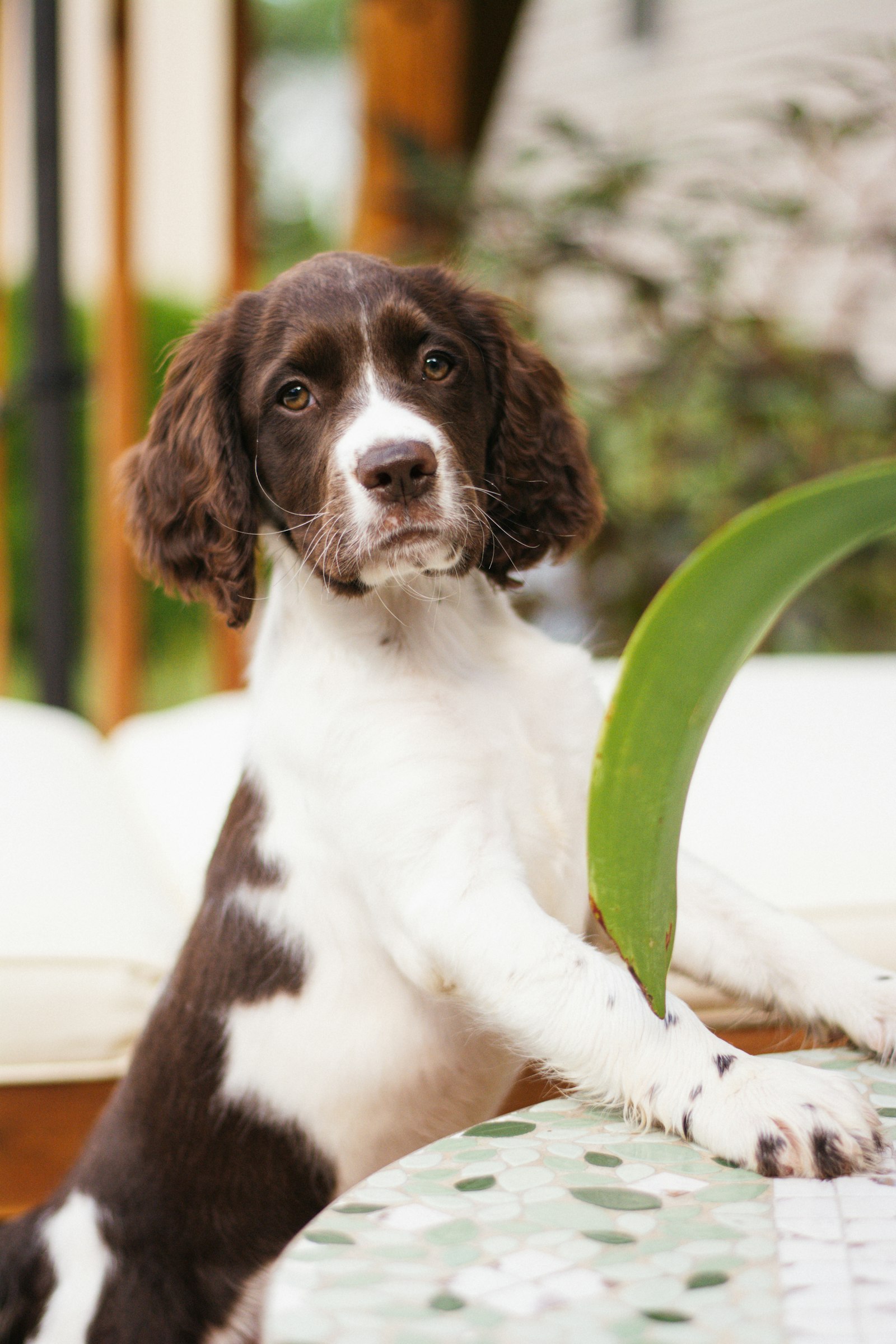
A medium-sized sporting dog originally bred to flush game birds from cover. The American Kennel Club recognized the English Springer Spaniel in 1910, and today it ranks among the AKC’s more popular breeds. Expect a friendly, biddable, water-loving dog with a strong hunting instinct.
Standard, Moyen, or Miniature Poodle
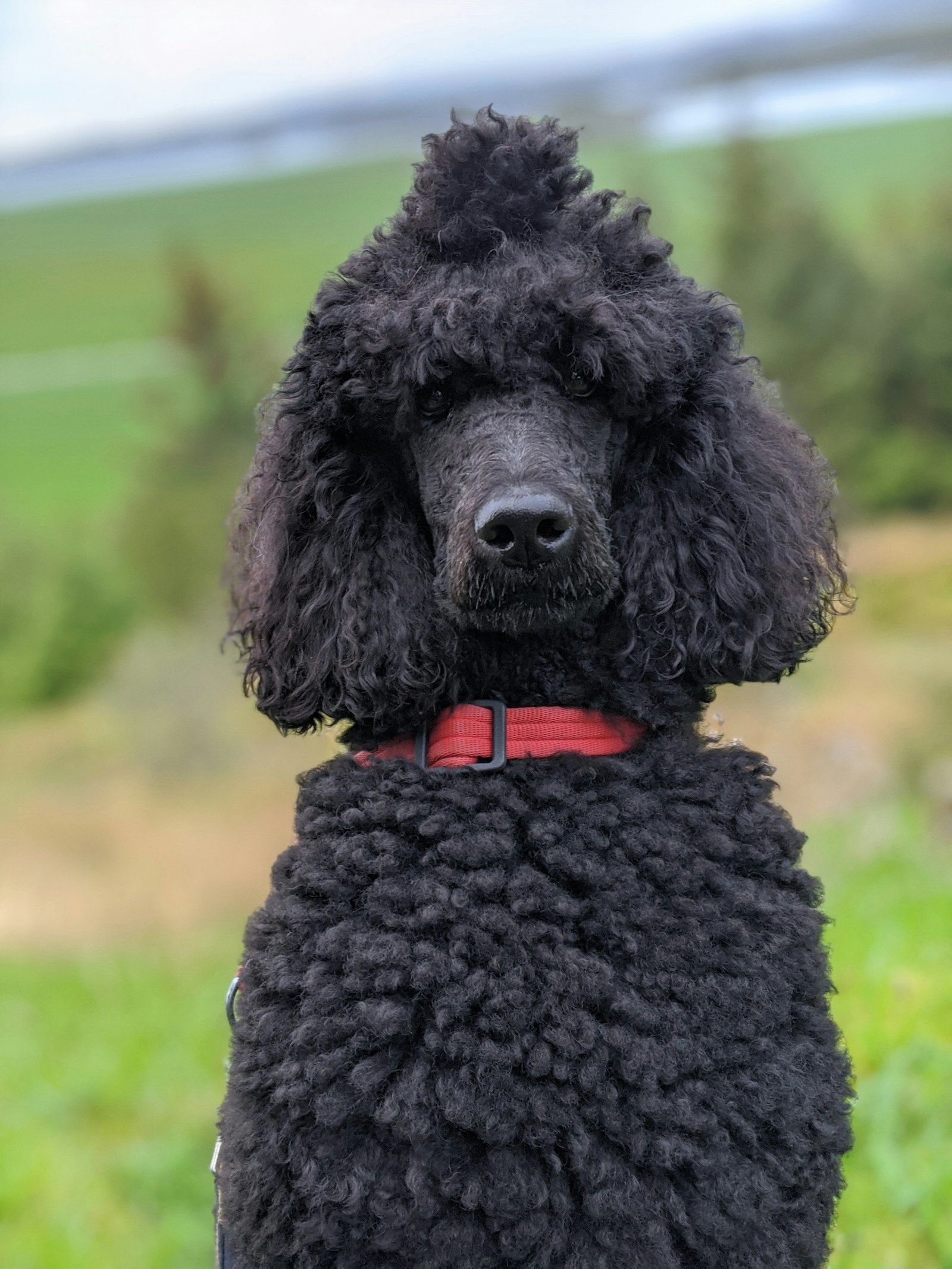
Poodles come in multiple sizes, and the size used determines a lot about the resulting Springerdoodle. The Standard Poodle stands over 15 inches tall and weighs between 40 and 70 pounds, the Miniature Poodle ranges from 10 to 15 inches and roughly 10 to 15 pounds, and both varieties are highly active and intelligent.
An F1 Springerdoodle means one purebred Springer Spaniel parent and one purebred Poodle parent — the classic 50/50 split. Later generations (F1B, F2, and beyond) mix doodles with doodles, which is how breeders fine-tune coat and shedding traits over time.
Springerdoodle Size, Weight, and Lifespan
Because it’s a cross of two breeds with their own size ranges, the Springerdoodle doesn’t have one fixed number — it has a spread.
A full-grown, medium-sized Springerdoodle (Standard Poodle parentage) typically lands between 30 and 55 pounds and stands roughly 18 to 20 inches at the shoulder. Medium Springerdoodles generally grow to be 41 to 55 pounds, though each puppy is a unique blend of genetics, so this range is an estimate, not a guarantee. A Mini Springerdoodle, bred from a Miniature Poodle, finishes noticeably smaller and lighter.
Lifespan tends to track close to the parent breeds. Springerdoodles are generally healthy dogs with a lifespan of around 10 to 15 years, and regular vet checkups plus a balanced diet support their well-being. That’s a solid decade-plus of companionship — plenty of time for this dog to fully commit to your daily walk schedule.
Temperament and Personality
If the Springerdoodle had a LinkedIn profile, “team player” would be the headline. This is a people-first dog, not a solo operator.
The Springer Spaniel side brings a goofy nature and a winning smile, while the Poodle side contributes intelligence and wit — a combination that produces a dog that’s playful without being chaotic (most days).
The Springerdoodle is typically friendly, happy, and confident, and it usually gets along well with other dogs and animals while staying playful and energetic enough to keep kids entertained. They’re rarely aggressive and rarely great guard dogs — this breed would probably help a burglar find the good silverware.
Because they bond so closely with their families, Springerdoodles can develop separation anxiety if left alone too often. Crate training and gradual independence-building from puppyhood go a long way here.
Coat Types, Colors, and Shedding
The Springerdoodle’s coat is where the Poodle genes really earn their keep. The coat is usually about 2 to 3 inches long with wavy to softly curled hair — a fleece-type coat — with longer, feathered hair on the tail, legs, and ears, and shorter hair on the head and muzzle.
Coat colors vary widely and can include black and white, liver and white, parti-color, tri-color, and cinnamon, often with a white blaze inherited from the Spaniel side.
On shedding: no dog is 100% hypoallergenic, since allergens come from dander and saliva, not just hair. That said, Springerdoodles tend to be consistently low-shed or no-shed, more so than Goldendoodles or Labradoodles, largely because the English Springer Spaniel doesn’t carry a thick, heavy-shedding undercoat. That makes many Springerdoodles a genuinely good option for allergy-conscious households, without any false promises attached.
Grooming and Maintenance
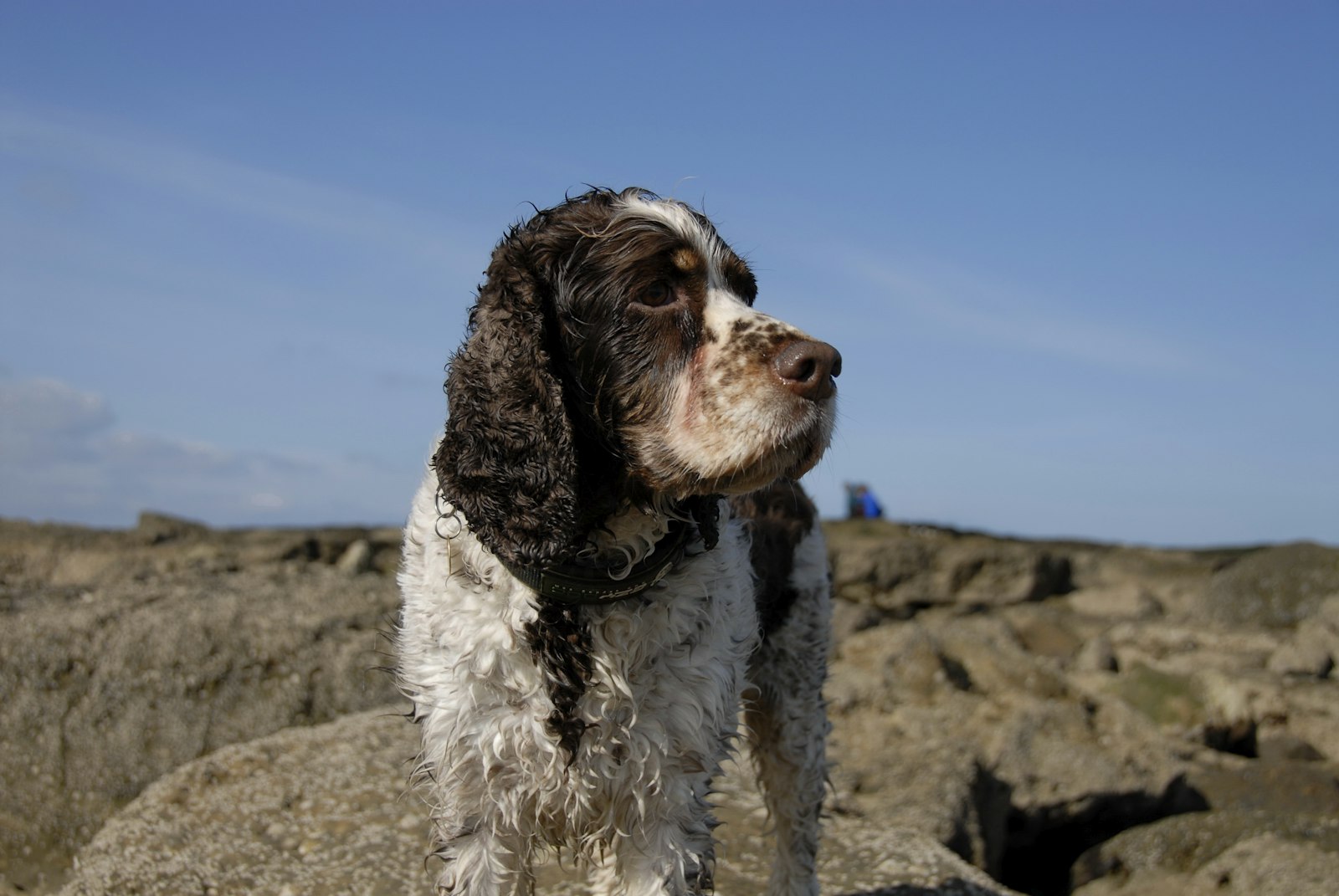
Compared to a full Poodle, Springerdoodle grooming is fairly forgiving. A thorough brush once or twice a week prevents matting, especially around the ears, legs, and tail feathering.
Those long, floppy ears look adorable and also trap moisture, so weekly ear checks matter more than most owners expect. Nails, teeth, and an occasional bath round out the routine. Most owners schedule a professional trim every six to eight weeks if they keep the coat longer than a puppy clip.
Exercise and Training Needs
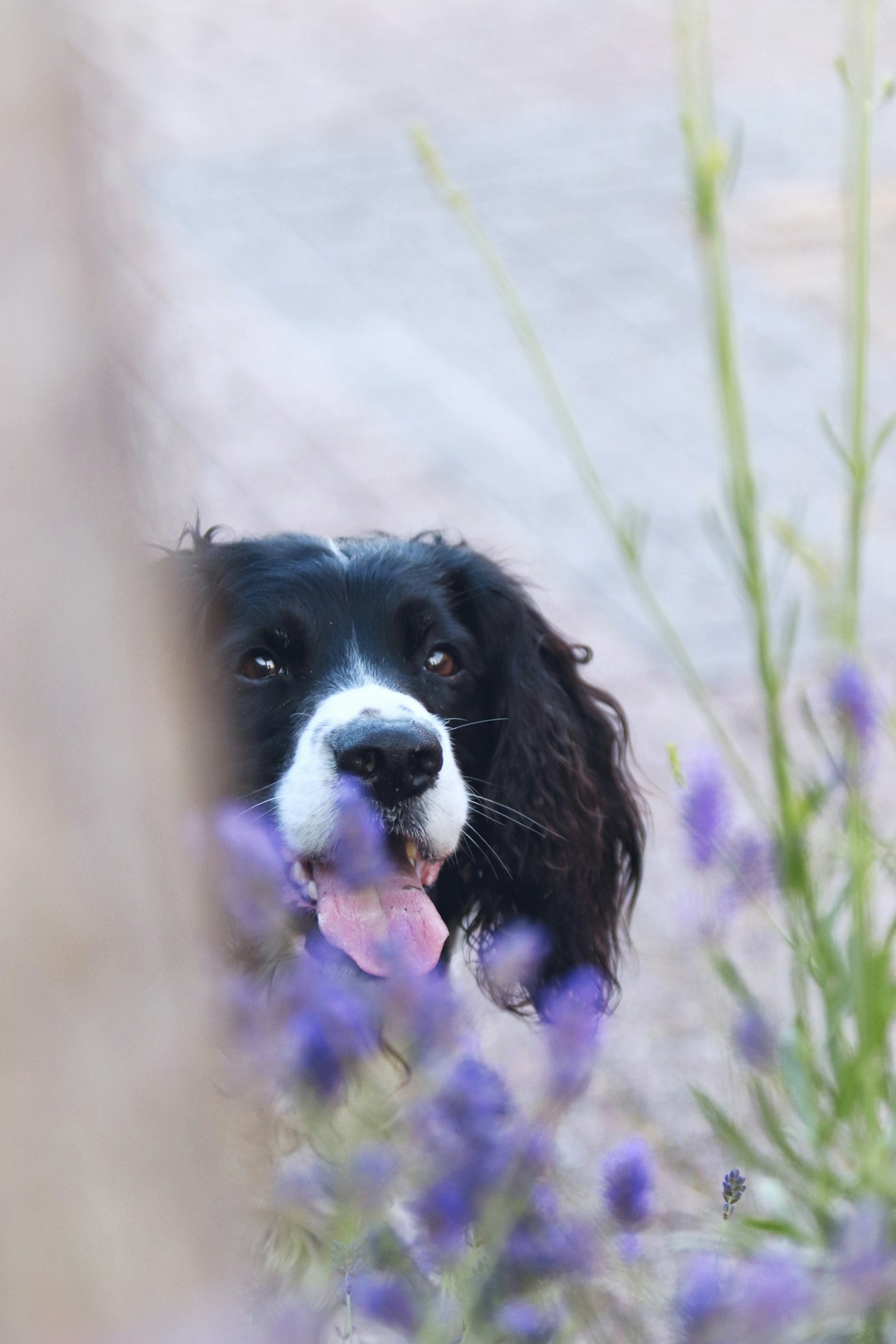
This is not a couch-decoration dog. Springerdoodles need at least an hour of activity a day, thanks to their sporting-dog heritage on both sides of the family tree.
Fetch, swimming, hiking, and agility all suit them well — the Spaniel side loves retrieving, and the Poodle side loves problem-solving. Skip the exercise, and don’t be shocked when your shoes become the entertainment.
Training tends to be refreshingly easy. Both parent breeds rank near the top for trainability, so most Springerdoodles pick up basic obedience fast with positive reinforcement. Early socialization still matters, especially around new people, dogs, and everyday sounds.
Health and Common Concerns
Crossbreeding can reduce certain inherited risks, but it doesn’t erase them. Reputable breeders health-test both parents before breeding, which meaningfully lowers the odds of these issues showing up.
Known concerns for the Springerdoodle include: hip dysplasia from malformed hip joints, several eye problems including progressive retinal atrophy, cataracts, and glaucoma, and a higher risk of ear infections due to their long, floppy ears. Keeping ears clean and dry is a simple habit that prevents a lot of vet visits.
Feeding Your Springerdoodle
A medium-sized, high-energy dog like this does best on a nutritionally complete diet formulated for medium or active breeds, with protein as the first ingredient. Puppies typically eat three meals a day until around six months, then transition to two meals as adults.
Exact portions depend on age, weight, and activity level, so checking feeding guidelines with your vet — rather than guessing — is the safest route. Overfeeding this breed is an easy mistake, since their happy-to-eat-anything attitude doesn’t always match their calorie needs.
Springerdoodle vs Goldendoodle vs Labradoodle
All three are Poodle crosses, but the “other half” changes the dog. Goldendoodles lean toward the Golden Retriever’s laid-back patience. Labradoodles lean toward the Labrador’s food-driven, easygoing nature. Springerdoodles lean toward the Spaniel’s higher-energy, bird-flushing instincts — meaning they generally need more structured exercise and mental stimulation than their two doodle cousins.
If you want a slightly more compact, athletic doodle with a stronger prey drive and a closer emotional bond to their people, the Springerdoodle usually edges out the other two.
Finding a Springerdoodle: Breeders, Puppies, and Adoption
Because Springerdoodles aren’t AKC-recognized, there’s no central breed registry to vet quality. That puts more responsibility on you to check a breeder’s health testing, references, and living conditions in person or via video call.
Ask specifically about hip and eye screening on both parent dogs. A breeder who won’t share this information is a breeder to walk away from. Rescue is also worth checking — Poodle-mix and Spaniel-specific rescues occasionally place Springerdoodles, and shelters sometimes list them as “Spaniel mix.”
Pros and Cons of the Springerdoodle
Pros:
- Low-to-no shedding coat
- Highly trainable and intelligent
- Affectionate with family
- Good with kids and other pets
- Moderate lifespan of 10 to 15 years
Cons:
- Needs an hour-plus of daily exercise
- Prone to separation anxiety if under-stimulated
- Regular ear care required
- Inconsistent size and coat outcomes since it’s a crossbreed
Is a Springerdoodle Right for You?
The Springerdoodle rewards active households that actually want a shadow — a dog that joins the run, the swim, and the Sunday hike, then curls up on the floor by your feet afterward.
It’s not the right fit for anyone hoping for a low-energy lap dog or a pet that tolerates long stretches alone. But for families who can match its energy, the English Springer Spaniel Poodle cross offers one of the more balanced, people-focused doodle temperaments around — smart enough to train fast, friendly enough to trust with kids, and low-shed enough to make allergy sufferers genuinely grateful.