


Quick Answer
Yes, many common dog health problems can be prevented or managed with proper care and early treatment. Regular vet checkups, a healthy diet, daily exercise, good hygiene, and parasite prevention can help your dog stay healthy. If you notice unusual symptoms such as loss of appetite, vomiting, excessive scratching, or changes in behavior, contact your veterinarian as soon as possible.
Introduction
Every dog owner wants their four-legged friend to enjoy a long, happy, and healthy life. Dogs are more than pets—they become part of the family. Just like people, however, they can develop health problems at any stage of life. Some illnesses are mild and easy to treat, while others require immediate medical attention.
The good news is that many common dog health problems can be prevented or managed when they are recognized early. Knowing what signs to watch for and understanding the right solutions can make a big difference in your dog’s overall well-being.
Whether you have a playful puppy, an active adult dog, or a senior companion, this guide will help you understand the most common health issues dogs face, their causes, symptoms, treatments, and simple ways to keep your pet healthy for years to come.
Quick Health Overview
| Health Problem | Common Symptoms | Prevention |
| Ear Infections | Head shaking, scratching ears | ✅ Yes |
| Skin Allergies | Itching, redness, licking paws | ✅ Often |
| Dental Disease | Bad breath, swollen gums | ✅ Yes |
| Obesity | Weight gain, tiredness | ✅ Yes |
| Fleas & Ticks | Scratching, irritated skin | ✅ Yes |
| Digestive Problems | Vomiting, diarrhea | ✅ Often |
| Worms | Weight loss, bloated stomach | ✅ Yes |
| Arthritis | Stiffness, limping | ⚠️ Partially |
Key Takeaways
- Many dog illnesses can be prevented with proper daily care.
- Early diagnosis often leads to faster recovery.
- A nutritious diet supports a strong immune system.
- Routine veterinary visits are essential.
- Parasite prevention protects your dog’s health all year.
- Healthy habits today can prevent serious problems later.
Table of Contents
- Why Your Dog’s Health Matters
- Warning Signs Your Dog May Be Sick
- Ear Infections
- Skin Allergies
- Dental Disease
- Obesity
- Fleas and Ticks
- Digestive Problems
- Worms and Parasites
- Joint Problems and Arthritis
- Preventive Dog Healthcare Tips
- When to Visit a Veterinarian
- Frequently Asked Questions
- Conclusion
Why Your Dog’s Health Matters
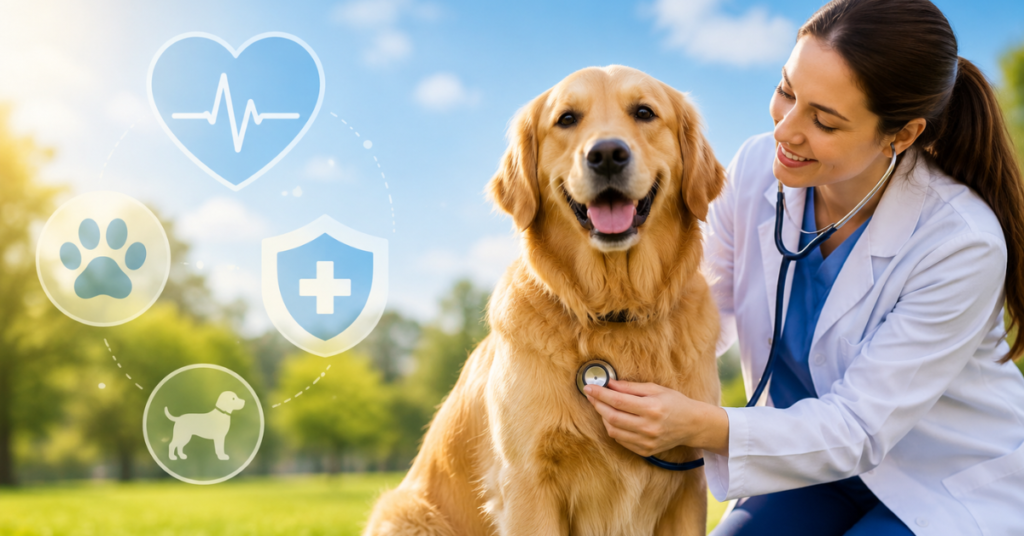
A healthy dog enjoys life to the fullest. Whether it’s running through the park, playing fetch in the backyard, or simply relaxing beside you, good health allows your dog to stay active and comfortable every day. Poor health, on the other hand, can affect your dog’s energy, mood, and quality of life.
Many owners don’t realize that small changes—such as scratching more than usual, eating less, or sleeping longer—can sometimes be the first signs of illness. Paying attention to these early changes gives your veterinarian the best chance to diagnose and treat the problem before it becomes serious.
Looking after your dog’s health isn’t just about treating illness. It’s about preventing disease through balanced nutrition, exercise, regular grooming, vaccinations, and routine checkups. A little care every day can help your companion enjoy many happy years by your side.
Warning Signs Your Dog May Be Sick
Dogs cannot tell us when something hurts, so it’s important to notice changes in their behavior or appearance. Some warning signs are obvious, while others develop gradually over time.
Common signs include:
- Loss of appetite
- Vomiting or diarrhea
- Constant scratching
- Bad breath
- Red or irritated skin
- Head shaking
- Limping
- Weight gain or sudden weight loss
- Low energy
- Coughing or breathing difficulties
If these symptoms last more than a day or become severe, seek veterinary advice without delay.
Ear Infections
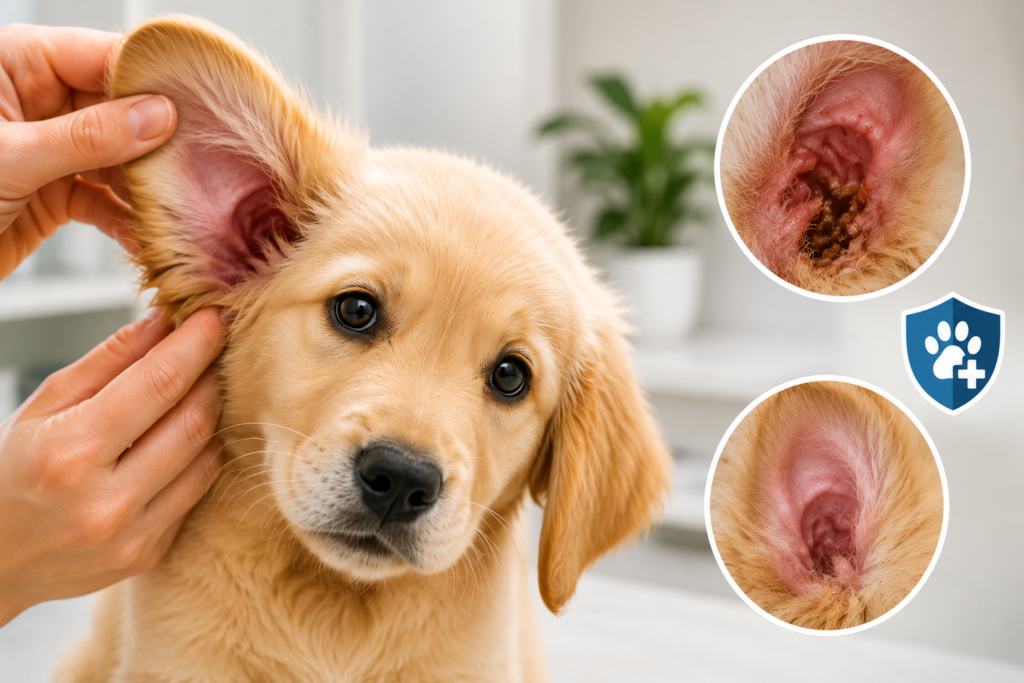
Ear infections are one of the most common health problems in dogs, especially breeds with floppy ears. Moisture, allergies, bacteria, yeast, and trapped dirt can all increase the risk of infection.
Symptoms
- Frequent head shaking
- Scratching at the ears
- Unpleasant odor
- Ear redness
- Brown or yellow discharge
- Pain when the ear is touched
Treatment
Your veterinarian may clean the ears and prescribe medicated ear drops or antibiotics, depending on the cause of the infection.
Prevention
- Dry your dog’s ears after swimming or bathing.
- Check the ears every week.
- Use only veterinarian-approved ear cleaners.
- Treat allergies that may lead to repeated infections.
Skin Allergies
Skin allergies are another common health problem in dogs. Some dogs react to pollen, dust, mold, flea bites, or certain foods. While allergies are rarely life-threatening, they can make your dog uncomfortable if left untreated.
Common Symptoms
- Constant itching
- Red or inflamed skin
- Excessive licking or chewing of the paws
- Hair loss
- Recurring ear infections
- Dry or flaky skin
Treatment
The right treatment depends on the cause of the allergy. Your veterinarian may recommend allergy medication, medicated shampoos, dietary changes, or flea control products. Never give your dog human allergy medicine unless your vet tells you to do so.
Prevention Tips
- Bathe your dog with a gentle dog shampoo.
- Keep flea prevention up to date.
- Wash your dog’s bedding regularly.
- Feed a high-quality diet.
- Schedule allergy testing if symptoms keep returning.
Dental Disease
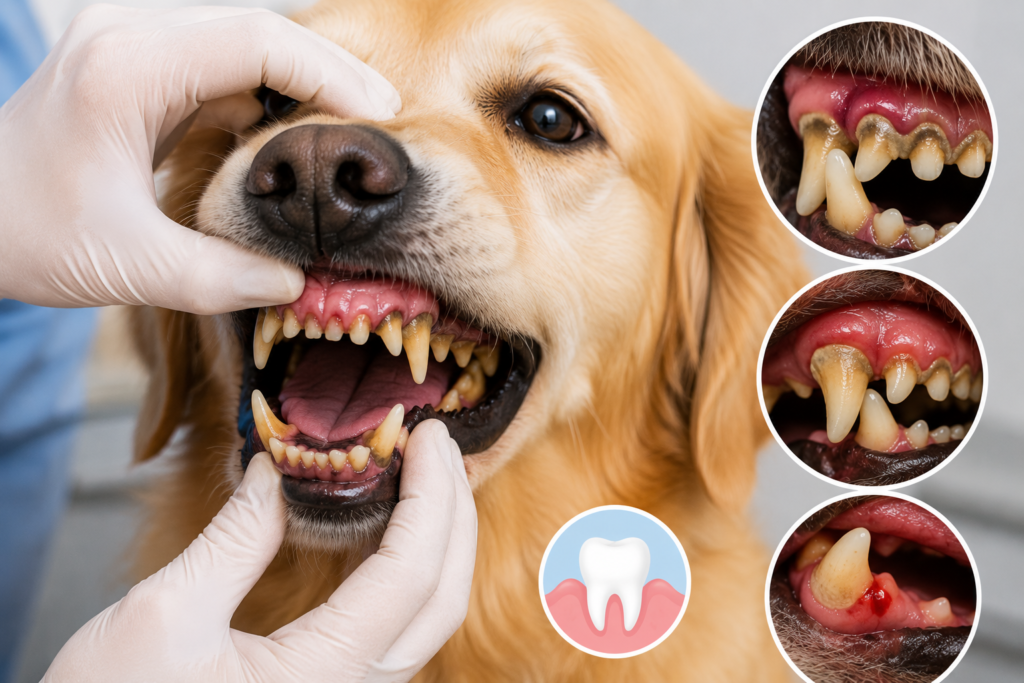
Many dog owners overlook dental care until their dog develops bad breath or difficulty eating. In reality, dental disease is one of the most common health conditions in adult dogs. Without proper care, bacteria can build up around the teeth and gums, leading to pain, infection, and tooth loss.
Common Symptoms
- Bad breath
- Yellow or brown tartar
- Red or swollen gums
- Difficulty chewing
- Drooling
- Loose teeth
Treatment
A veterinarian may recommend a professional dental cleaning. In severe cases, damaged teeth may need to be removed to prevent further infection.
Prevention Tips
- Brush your dog’s teeth several times a week.
- Offer dental chews approved for dogs.
- Schedule regular dental checkups.
- Avoid giving hard objects that may damage teeth.
Obesity
Extra weight may not seem like a serious problem at first, but obesity increases the risk of diabetes, heart disease, arthritis, and breathing difficulties. Even a few extra pounds can put unnecessary pressure on your dog’s joints.
Common Symptoms
- Weight gain
- Low energy
- Difficulty running or climbing stairs
- Heavy breathing after light activity
- Reduced stamina
Treatment
Healthy weight loss takes time. Your veterinarian may suggest a balanced diet, portion control, and a gradual increase in daily exercise.
Prevention Tips
- Measure food portions instead of guessing.
- Limit high-calorie treats.
- Exercise your dog every day.
- Monitor your dog’s weight every month.
Fleas and Ticks
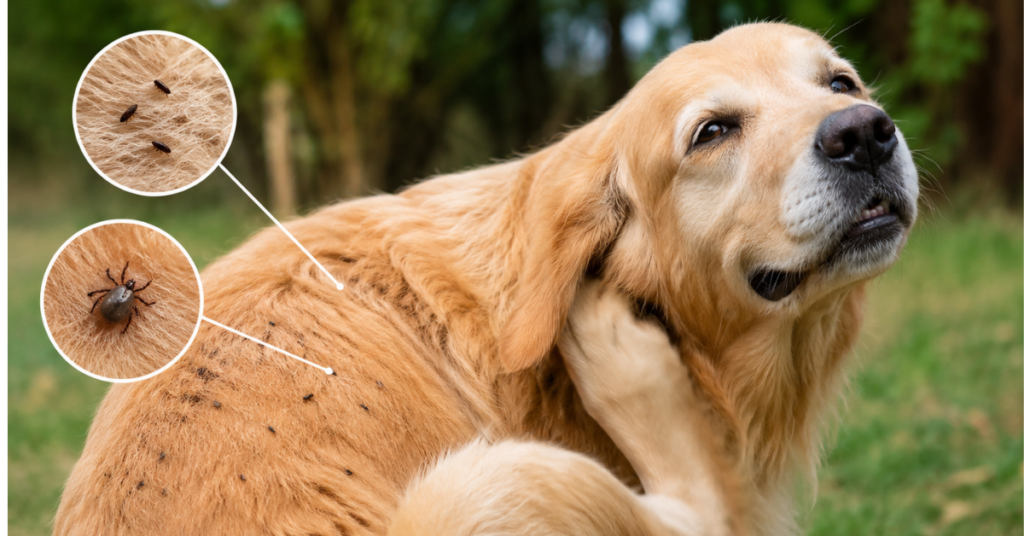
Fleas and ticks are more than just annoying pests. They can spread diseases, trigger allergic reactions, and make your dog miserable. Regular parasite prevention is one of the easiest ways to protect your pet.
Common Symptoms
- Constant scratching
- Biting or licking the skin
- Hair loss
- Small black flea dirt
- Visible ticks attached to the skin
- Red, irritated areas
Treatment
Your veterinarian may recommend flea and tick shampoos, oral medications, topical treatments, or medicated collars based on your dog’s needs.
Prevention Tips
- Use year-round flea and tick prevention.
- Check your dog after walks.
- Keep your yard clean.
- Wash bedding frequently.
- Vacuum carpets regularly.
Digestive Problems
An upset stomach is something almost every dog experiences at some point. Eating spoiled food, sudden diet changes, food allergies, parasites, or infections can all affect your dog’s digestive system.
Common Symptoms
- Vomiting
- Diarrhea
- Loss of appetite
- Stomach discomfort
- Gas
- Dehydration
Treatment
Mild stomach upset often improves with veterinary guidance, plenty of fresh water, and a temporary bland diet. However, frequent vomiting, bloody diarrhea, or signs of dehydration require immediate veterinary care.
Prevention Tips
- Change foods gradually.
- Keep harmful foods out of reach.
- Always provide clean drinking water.
- Avoid feeding table scraps.
- Follow a regular feeding schedule.
Worms and Parasites
Internal parasites are common in dogs of all ages, especially puppies. Roundworms, hookworms, whipworms, and tapeworms can affect your dog’s digestive system and overall health. If left untreated, they may lead to weight loss, poor nutrition, and other serious complications.
Common Symptoms
- Weight loss
- Bloated stomach
- Diarrhea
- Vomiting
- Poor coat condition
- Scooting on the ground
- Worms visible in the stool
Treatment
Your veterinarian can diagnose the type of parasite through a fecal examination and prescribe the appropriate deworming medication. Always complete the full treatment schedule, even if your dog starts feeling better.
Prevention Tips
- Follow a regular deworming schedule.
- Clean up your dog’s waste immediately.
- Prevent your dog from eating contaminated soil or feces.
- Keep flea prevention up to date, as fleas can spread tapeworms.
Joint Problems and Arthritis
As dogs grow older, their joints naturally experience wear and tear. Larger breeds are especially prone to arthritis and other joint conditions. Although these problems cannot always be prevented, early management helps dogs stay active and comfortable.
Common Symptoms
- Limping
- Difficulty standing up
- Stiffness after resting
- Reluctance to climb stairs
- Less interest in playing
- Slower movement
Treatment
Depending on the severity, your veterinarian may recommend anti-inflammatory medication, joint supplements, physical therapy, weight management, or lifestyle changes.
Prevention Tips
- Maintain a healthy body weight.
- Provide daily low-impact exercise.
- Use orthopedic bedding for senior dogs.
- Discuss joint supplements with your veterinarian.
Preventive Dog Healthcare Tips
Preventing illness is often easier and less expensive than treating it. A few simple habits can greatly improve your dog’s quality of life.
Healthy Habits Every Dog Owner Should Follow
- Feed a complete and balanced diet.
- Provide fresh drinking water every day.
- Exercise your dog regularly.
- Brush your dog’s teeth several times each week.
- Keep vaccinations up to date.
- Use year-round flea, tick, and heartworm prevention.
- Groom your dog regularly.
- Schedule routine veterinary checkups at least once a year.
- Watch for changes in behavior, appetite, or energy levels.
When Should You Visit a Veterinarian?
Some health issues require immediate medical attention. Contact your veterinarian as soon as possible if your dog experiences:
- Difficulty breathing
- Repeated vomiting or diarrhea
- Blood in vomit or stool
- Sudden collapse
- Loss of consciousness
- Seizures
- Severe injuries
- Refusal to eat for more than 24 hours
- Extreme tiredness or weakness
Quick treatment often prevents small problems from becoming life-threatening emergencies.
Expert Tips for Keeping Your Dog Healthy
Experienced veterinarians agree that consistency is one of the most important parts of dog care.
- Feed high-quality dog food appropriate for your dog’s age.
- Avoid giving harmful human foods.
- Keep your dog mentally stimulated with games and training.
- Maintain a healthy weight throughout your dog’s life.
- Never skip annual wellness examinations.
- Build a daily routine that includes exercise, rest, and playtime.
- Pay attention to small health changes before they become serious.
A little extra care each day can make a significant difference in your dog’s long-term health.
Frequently Asked Questions
What is the most common health problem in dogs?
Dental disease is one of the most common health problems in dogs. Ear infections, skin allergies, obesity, and digestive issues are also frequently seen by veterinarians.
How often should I take my dog to the veterinarian?
Healthy adult dogs should visit the veterinarian at least once a year. Puppies, senior dogs, and dogs with medical conditions may need more frequent checkups.
How can I tell if my dog is sick?
Common warning signs include loss of appetite, vomiting, diarrhea, unusual tiredness, excessive scratching, limping, coughing, and sudden changes in behavior.
Can dog health problems be prevented?
Many health conditions can be reduced or prevented through proper nutrition, vaccinations, parasite prevention, regular exercise, and routine veterinary care.
What foods help keep dogs healthy?
A balanced commercial dog food that meets your dog’s nutritional needs is usually the best choice. Fresh water should always be available.
Is bad breath normal in dogs?
No. Persistent bad breath often indicates dental disease or another health problem that should be checked by a veterinarian.
Why does my dog scratch so much?
Frequent scratching may be caused by allergies, fleas, ticks, dry skin, or infections. If scratching continues, schedule a veterinary examination.
How can I improve my dog’s overall health?
Feed a nutritious diet, provide daily exercise, maintain good hygiene, schedule regular veterinary visits, and give your dog plenty of love and mental stimulation.
Conclusion
Keeping your dog healthy doesn’t have to be complicated. By learning to recognize common health problems early and following simple preventive care practices, you can help your dog live a longer, happier, and more comfortable life.
Remember that every dog is unique. Paying attention to changes in your pet’s behavior, maintaining regular veterinary care, feeding a balanced diet, and providing daily exercise are some of the best investments you can make in your dog’s health.
With patience, consistency, and proactive care, you’ll not only reduce the risk of common illnesses but also strengthen the lifelong bond you share with your loyal companion.