How Long Can a Dog Go Without Eating After Surgery? Complete Recovery Guide
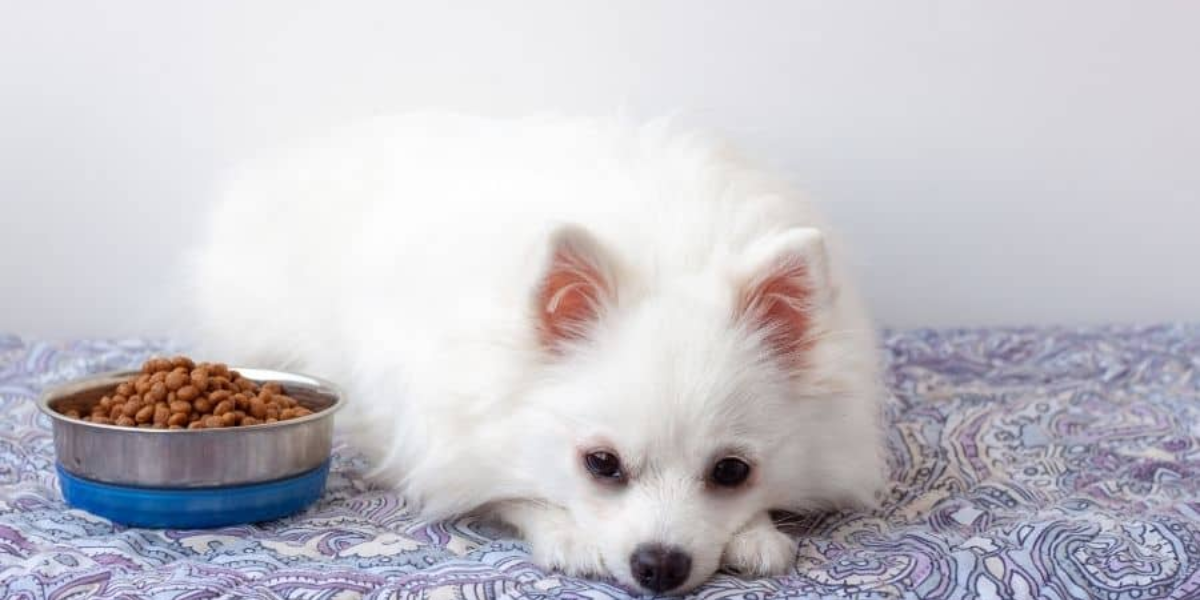
Watching your dog come home from surgery and refuse to eat is one of the most stressful experiences for any dog parent. You want to help them recover, but they just turn their nose up at everything you offer. Sound familiar?
how long can a dog go without eating after surgery
Here is the short answer: most dogs can safely go 12 to 24 hours without eating after surgery. Anything beyond 24 hours should be discussed with your vet. Beyond 48 hours without food is a red flag that needs immediate attention.
But there is much more to it than that. The right answer depends on the type of surgery your dog had, their age, their size, and what medications they are on. In this guide, we break it all down — including what competitors rarely tell you: a surgery-by-surgery feeding timeline, early warning signs of dehydration, and exactly what to feed your dog to get them eating again.
Why Your Dog Won’t Eat After Surgery — The Real Reasons
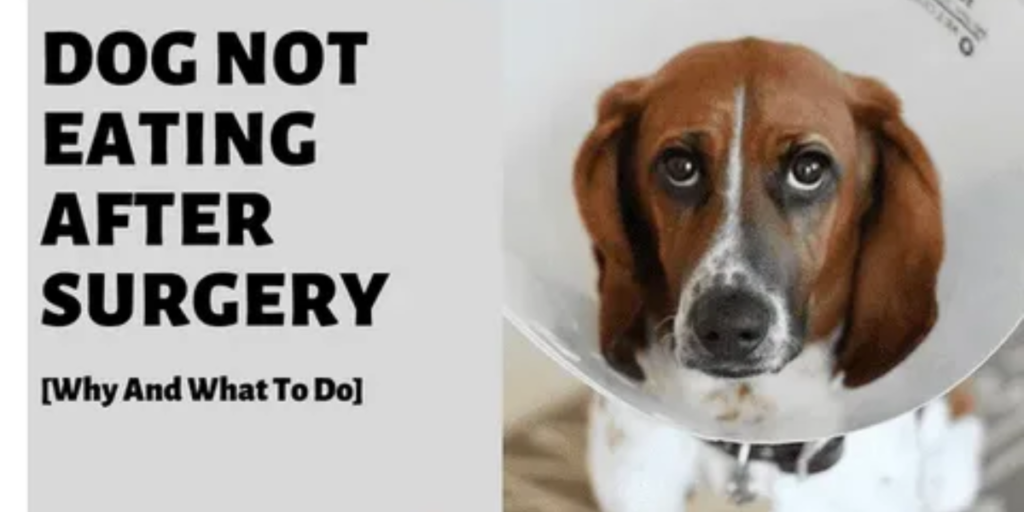
Before worrying, it helps to understand why this happens. There are five main reasons dogs stop eating after surgery:
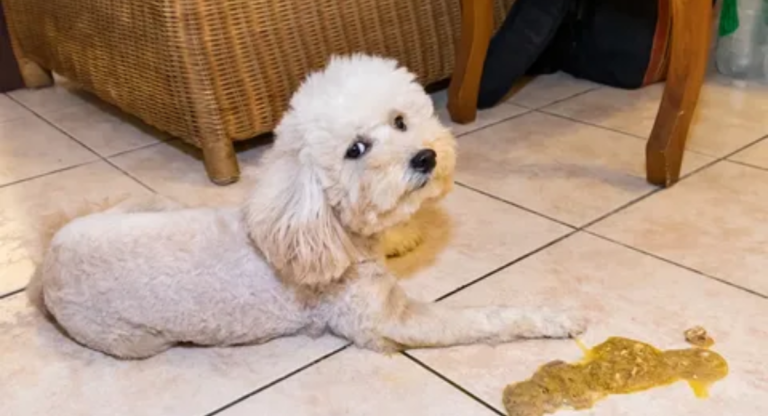
1. Anesthesia Nausea General anesthesia causes nausea in many dogs, just like it does in humans. Your dog’s stomach feels unsettled for several hours after waking up. This is the most common reason for appetite loss right after surgery.
2. Pain and Discomfort The surgical site hurts. Dogs are stoic animals and often deal with pain by withdrawing, sleeping, and avoiding food. This is especially common after abdominal surgeries, orthopedic procedures, and dental extractions.
3. Stress and Anxiety A hospital stay, unfamiliar smells, strange people, and the whole surgical experience is deeply stressful for dogs. Stress alone can suppress appetite for 12 to 24 hours even in healthy dogs.
4. Pain Medications Common post-surgery medications like NSAIDs, opioids, and antibiotics can cause nausea and upset stomach as side effects — which directly reduces appetite.
5. E-Collar (Cone) Discomfort Something competitors rarely mention: many dogs refuse to eat while wearing an e-collar (cone) because it physically makes eating awkward and uncomfortable. Removing it briefly at mealtimes (under supervision) can help.
How Long Can a Dog Go Without Eating After Surgery? The Timeline
Here is a clear, hour-by-hour and day-by-day breakdown that most other articles skip:
First 0–6 Hours After Surgery
Do not offer food. Your dog is likely still groggy from anesthesia. Offering food too soon risks vomiting and choking. Water in small sips is okay if they are alert.
6–12 Hours After Surgery
You can offer a very small amount of bland food — a tablespoon or two of boiled chicken and white rice. Do not push it. If they sniff it and walk away, that is completely normal.
12–24 Hours After Surgery
This is the window where most dogs will begin to show interest in food again. If your dog still refuses to eat, do not panic yet — but start gentle encouragement (see tips below). Call your vet if you are concerned.
24–48 Hours After Surgery
This is your action window. If your dog has not eaten anything in 24 hours, call your vet. They may recommend appetite stimulants, anti-nausea medication, or ask you to bring your dog in for a check.
Beyond 48 Hours
This is a medical concern. A dog that has not eaten for more than 48 hours after surgery needs veterinary attention. Prolonged not eating can lead to a condition called post-operative ileus — where the intestines stop moving properly — which requires treatment.
Surgery-by-Surgery Feeding Guide (Competitors Miss This!)
Different surgeries affect appetite differently. Here is what you need to know for each common type:
After Spay or Neuter Surgery
- Expect appetite loss for 12–24 hours
- Spay is more invasive than neuter — females may take longer to regain appetite
- Offer bland food the evening after surgery
- Most dogs eat normally by day 2
After Dental Surgery or Tooth Extraction
- Your dog’s mouth is sore — hard kibble should be avoided for 3–5 days
- Offer wet food, softened kibble (soaked in warm water), or boiled chicken
- Do not be surprised if your dog is hesitant to eat for 24–36 hours due to mouth pain
- Appetite usually fully returns by day 3
After TPLO or Orthopedic Surgery
- These are major surgeries — appetite loss can last 24–48 hours
- Pain medications (often stronger for orthopedic cases) may suppress appetite longer
- Hand feeding helps many dogs in the first day or two
- Consult your vet if not eating by 48 hours
After Abdominal or Intestinal Surgery
- This is the most critical type — the gut itself has been operated on
- Your vet will give you specific instructions — follow them exactly
- These dogs often need the slowest reintroduction to food
- Do not feed until cleared by your vet
After Eye Surgery or Skin/Tumor Removal
- These are less invasive — appetite usually returns within 12 hours
- Offer a normal meal the evening of surgery
- If appetite does not return by 24 hours, call your vet
What to Feed Your Dog After Surgery — Complete Guide
Most competitor articles say “bland food” and leave it at that. Here is exactly what to feed, how much, and how to prepare it:
The Best Post-Surgery Foods
Option 1: Boiled Chicken and White Rice (Best Choice)
- Use boneless, skinless chicken breast
- Boil it in plain water — no salt, no seasoning, no oil
- Mix with plain white rice in a 1:1 ratio
- Serve warm (not hot) — warm food smells stronger and is more appealing to a nauseous dog
Option 2: Boiled White Rice with Chicken Broth
- Use low-sodium chicken broth (or homemade with no onion or garlic)
- Mix with white rice
- Great for dogs who are not quite ready for solid protein
Option 3: Plain Canned Pumpkin (as a topper)
- Add 1–2 teaspoons of plain canned pumpkin (not pumpkin pie filling) to their food
- Pumpkin is gentle on the stomach and adds fiber
- Many dogs find the smell appealing
Option 4: Prescription Recovery Food (ask your vet)
- Hills a/d or Royal Canin Recovery are specifically designed for post-surgical recovery
- High in calories, easy to digest, and very palatable for sick dogs
How Much to Feed
- Start with 25% of their normal meal size
- If they tolerate it without vomiting, offer another small portion 3–4 hours later
- Gradually work back to full meals over 2–3 days
Foods to Avoid After Surgery
- Fatty foods (can trigger pancreatitis)
- Raw food (the immune system is under stress)
- Hard kibble (especially after dental surgery)
- Table scraps or heavily seasoned food
- Large meals (upset the recovering stomach)
For More Guide: https://dogpulse.blog/category/dog-food/
Warning Signs: When to Call Your Vet Immediately
This section is missing from almost every competitor article. Here are the red flags that mean you need to call your vet right away, not wait:
- Your dog has not eaten for more than 48 hours
- Repeated vomiting (more than 2 times in a few hours)
- Swollen or distended abdomen — this can indicate a serious internal problem
- Blood in vomit or stool
- Extreme lethargy — your dog cannot stand up or is unresponsive
- Signs of dehydration (see below)
- Pale or white gums
- Signs of pain at the surgical site — licking excessively, crying when touched near the wound
Signs of Dehydration in Dogs After Surgery
Dehydration is a serious risk that competitors almost never mention. Here is how to check:
Skin Tent Test: Gently pinch the skin on the back of your dog’s neck and let go. In a hydrated dog, it snaps back immediately. If it stays tented or returns slowly, your dog may be dehydrated.
Gum Check: Press your finger on your dog’s gums, then release. The white spot should turn pink within 2 seconds. If it takes longer, your dog may be dehydrated.
Sunken Eyes: Visibly sunken eyes are a sign of moderate to severe dehydration.
If you suspect dehydration, call your vet immediately. Do not try to manage it at home.
8 Proven Tips to Get Your Dog to Eat After Surgery
Here are practical, tested strategies most other articles only touch on:
1. Warm the food slightly Warm food releases stronger aromas and is more appealing to a nauseous dog. Microwave for 10–15 seconds and stir. Test with your wrist to make sure it is not too hot.
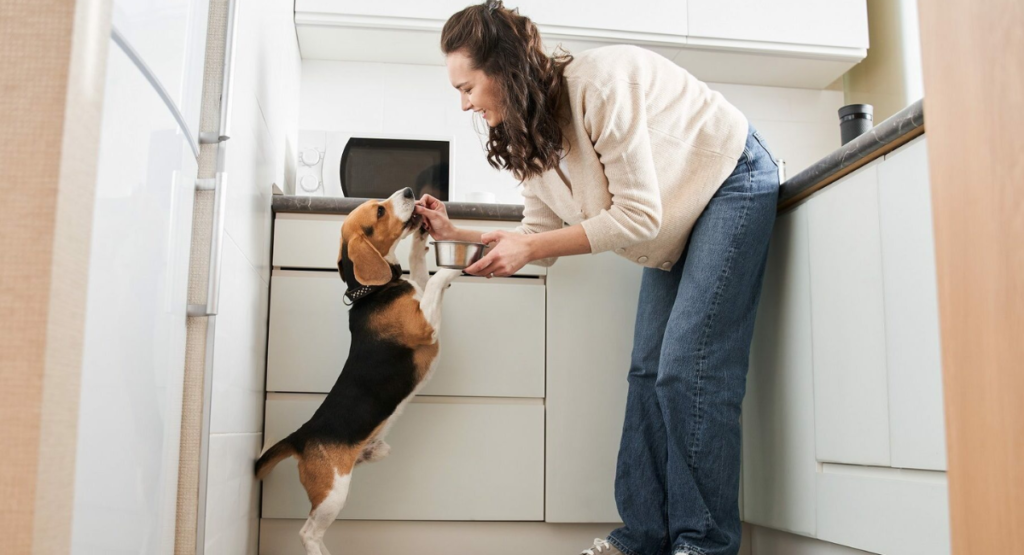
2. Hand feed your dog Many post-surgery dogs will eat from your hand when they will not touch a bowl. Sit with them calmly and offer small pieces. This also provides comfort and reassurance.
3. Remove the e-collar at mealtimes If your dog is wearing a cone, try removing it briefly during meals under close supervision. Many dogs physically cannot eat comfortably with a cone on.
4. Offer food in a quiet, familiar place Stress suppresses appetite. Place food in a calm, quiet area — not near other pets or loud noises. Your dog’s usual feeding spot is best.
5. Try different textures If your dog usually eats kibble, try wet food. If they eat wet food, try a little warm broth. Change of texture often sparks interest.
6. Add low-sodium chicken broth Pour a small amount of warm, low-sodium chicken broth over their food. The aroma alone often triggers interest in eating.
7. Baby food as a transition Plain meat-based baby food (like Gerber chicken — with no onion or garlic in the ingredients) can be gently syringe-fed or offered on a spoon to a dog that absolutely will not eat. It is highly palatable and easy to digest.
8. Ask your vet about appetite stimulants If your dog still refuses food after 24 hours, ask your vet about mirtazapine or maropitant — medications that can stimulate appetite and reduce nausea in recovering dogs.
Does Dog Size or Age Affect Recovery?
Yes — and this is another section competitors skip entirely.
Puppies and Young Dogs Puppies have less fat reserve than adult dogs. They can become hypoglycemic (low blood sugar) faster when they do not eat. If a puppy under 6 months has not eaten 12 hours after surgery, call your vet.
Senior Dogs (7+ years) Senior dogs take longer to clear anesthesia from their system and may be lethargic and disinterested in food for longer. They also have less metabolic reserve. Be extra vigilant and contact your vet if they have not eaten by 24 hours.
Small Breeds (under 10 lbs) Small breed dogs like Chihuahuas, Yorkies, and Maltese have very low fat reserves. Not eating for even 12–18 hours can cause dangerous blood sugar drops. Monitor closely and contact your vet sooner than you think necessary.
Large Breeds (over 50 lbs) Large breeds generally have more fat reserves and can tolerate slightly longer without food. However, large breeds are at higher risk for bloat (GDV) — a life-threatening condition where the stomach twists. Never leave a large breed without food or water for extended periods, and watch for signs of a distended belly.
Hydration: The Equally Important Factor Nobody Talks About
While food is important, water is more urgent. A dog can survive longer without food than without water. After surgery, make sure your dog is drinking — or at least taking small sips.
If your dog refuses water:
- Try ice chips — many post-surgery dogs prefer these
- Offer low-sodium broth instead of water
- Use a syringe to gently offer small amounts of water (be careful not to choke them)
If your dog has not had any water for 12 hours after surgery, contact your vet.
Frequently Asked Questions
Q: My dog ate a little after surgery but then stopped — is this normal? Yes. Appetite often comes and goes in the first 48 hours after surgery. As long as they ate something and are not vomiting or showing other warning signs, this is normal. Keep offering small amounts every few hours.
Q: Can I give my dog their regular food right after surgery? It is best to start with bland food for the first 24–48 hours. Regular kibble can be harder to digest and may cause vomiting in a dog still recovering from anesthesia. Transition back to regular food gradually once appetite returns.
Q: My dog won’t eat but is drinking water — should I be worried? Drinking water is a good sign. As long as your dog is hydrated and not showing other warning signs, you can wait until the 24-hour mark. Keep offering bland food in small amounts. If they still have not eaten by 24 hours, call your vet.
Q: My dog had a spay yesterday and still won’t eat — what do I do? After a spay, 24–36 hours without eating is common, especially in the first day. Try warm food, hand feeding, or a little chicken broth. If it has been more than 36 hours or your dog seems very lethargic or is vomiting, call your vet.
Q: Can I give my dog treats instead of a full meal after surgery? A few soft treats can help get some calories into your dog and encourage appetite. This is fine as a short-term bridge, but do not rely on treats as a substitute for actual meals. Soft treats are better than hard ones post-surgery.
Q: How long after surgery before a dog can eat normally? Most dogs return to normal eating habits within 2–3 days after surgery. For major surgeries like orthopedic procedures, it may take 3–5 days to fully return to normal appetite.
Q: What if my dog vomits after eating after surgery? Wait 2–3 hours, then offer an even smaller amount of bland food. If vomiting continues more than twice, contact your vet — they may need anti-nausea medication.
Q: Is it safe to give water right after surgery? Yes, small sips of water are generally fine once your dog is alert and not groggy from anesthesia. Do not let them drink a large amount at once as this can cause vomiting.
Final Thoughts
Watching your dog recover from surgery is stressful, and not eating makes it even harder. But in most cases, a dog skipping meals for 12–24 hours after surgery is completely normal and nothing to panic about.
The key things to remember:
- 0–24 hours: Some appetite loss is normal. Offer bland food and monitor.
- 24 hours: If they have not eaten at all, call your vet.
- 48 hours: Vet visit is necessary.
- Always make sure your dog is drinking water — hydration is more urgent than food.
- Know the warning signs — vomiting, distended belly, pale gums, extreme lethargy — and act immediately.
Every dog is different. When in doubt, call your vet. They know your dog’s specific surgery, medications, and health history — and there is no such thing as calling too soon when it comes to your pet’s recovery.
At Dog Pulse, we believe every dog deserves expert care backed by real information. Always consult your veterinarian for advice specific to your dog’s health and recovery needs.
VCA Animal HospitalsDA 78
Post-operative instructions for dogs — “offer half the regular meal a few hours after arriving home” — vet-written, trusted globally
https://vcahospitals.com/know-your-pet/post-operative-instructions-in-dogs
Article mein kahan use karo: “According to VCA Animal Hospitals, dogs can be offered half their regular meal a few hours after arriving home from surgery”