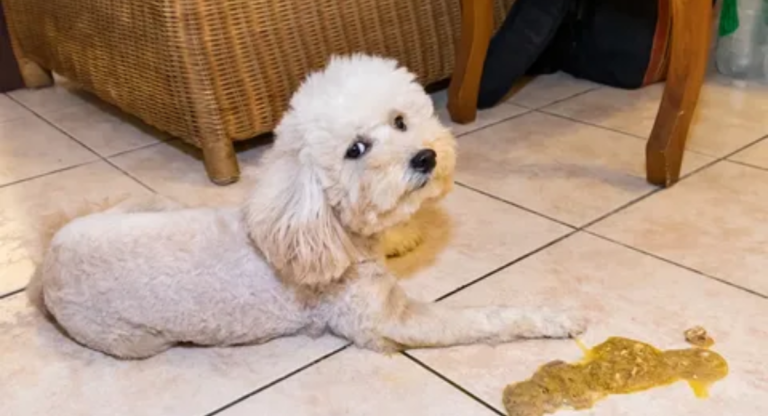
If you are wondering why is my dog not eating but drinking water, you are not alone. Your dog’s food bowl is completely untouched — they walked past it twice, drank from their water bowl, then curled up in the corner. This is one of the most common concerns dog owners bring to their veterinarians, and understanding the cause can help you act quickly and correctly.
If you are asking why is my dog not eating but drinking water, you are not alone. This is one of the most common concerns dog owners bring to their veterinarians — and it does not always mean something is seriously wrong. But it is also never something you should completely ignore.
The fact that your dog is still drinking water is actually an important clue. It tells us the situation is different from a dog who is refusing both food and water, which is typically a more urgent emergency. A dog who drinks but won’t eat is showing a specific pattern — and understanding what is behind it can help you act correctly and quickly.
In this complete guide, you will learn:
- 12 common reasons why dogs stop eating but keep drinking
- How long is too long without food (clear timeline)
- Age-specific guidance for puppies, adults, and senior dogs
- How to check your dog for dehydration at home
- 8 proven home remedies to stimulate your dog’s appetite
- Warning signs that mean you need a vet immediately
- A complete FAQ section answering the most asked questions
Let’s start from the beginning.
Is It Normal for a Dog to Skip a Meal?
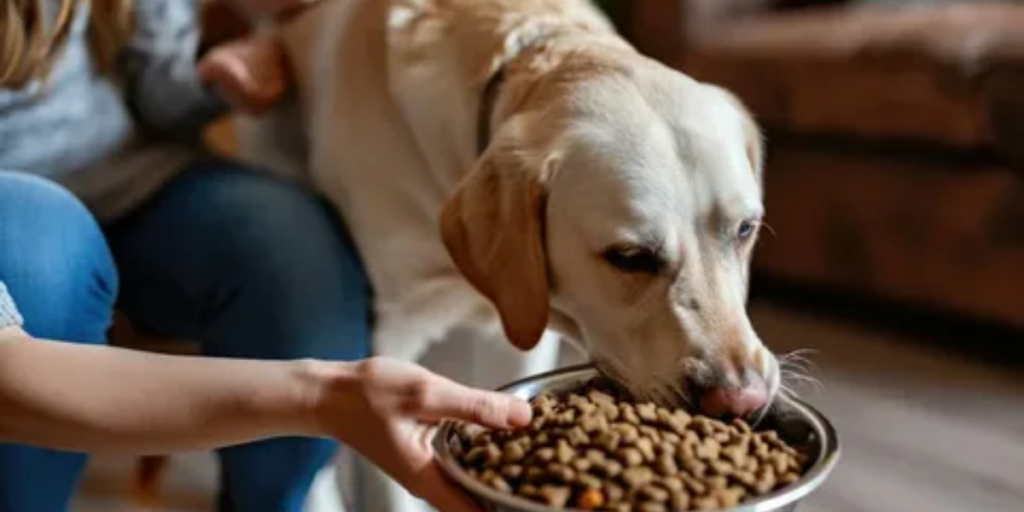
Before panic sets in, it is important to understand that occasional food refusal is not automatically a medical emergency.
Just like humans, dogs can have an off day. A big play session, warm weather, minor stomach upset, or a change in routine can be enough to make your dog skip one meal without any underlying problem. Some dogs — especially picky breeds — occasionally miss a meal and go back to eating normally within a few hours.
The key question is: how long has this been going on?
A single skipped meal in an otherwise healthy, active dog who is drinking water normally is usually not a reason to rush to the vet. But if your dog is refusing food for more than 24 hours, or if skipping meals is happening alongside other symptoms, that is when you need to pay close attention.
The fact that your dog is still drinking water is a reassuring sign. It means their hydration is being maintained and they are not showing the combined refusal that signals the most serious emergencies. But continued monitoring is essential.
12 Common Reasons Why Your Dog Is Drinking Water But Not Eating
When a dog drinks water but refuses food, the causes can range from completely harmless to medically serious. Here are the 12 most common reasons, from mild to severe.
1. Upset Stomach or Mild Nausea
The most common and usually the least serious cause. Dogs experience nausea from many everyday things — eating grass, eating too fast, a small dietary indiscretion, or motion sickness during travel. Nausea makes food unappealing, but the dog continues to drink water to stay hydrated.
What to watch for: Lip licking, drooling, grass eating, occasional vomiting. Usually resolves within 12 to 24 hours on its own.
2. Stress and Anxiety
Dogs are highly sensitive creatures. Changes in their environment can completely disrupt their appetite while their thirst remains normal. Common stress triggers include:
- Moving to a new house
- A new baby or pet in the home
- A family member leaving or passing away
- Loud noises like thunderstorms or fireworks
- Boarding at a new facility
- Changes in their daily schedule
A stressed dog will often continue drinking water — because thirst is driven by the body’s basic need — but the anxiety disrupts the appetite signals in the brain.
3. Picky Eating or Food Boredom
Some dog breeds are naturally more selective about what they eat. Yorkshire Terriers, Maltese, Pomeranians, and Shih Tzus are known for developing strong food preferences. If you have recently switched food brands, changed flavors, or if the food has gone slightly stale, your dog may refuse it while still happily drinking water.
Important: If a dog realizes that refusing food leads to getting treats or more exciting options, they can learn to hold out. This trained picky behavior is one of the most misunderstood causes of dog food refusal.
4. Dental Pain or Oral Problems
This is one of the most frequently overlooked causes of loss of appetite in dogs — and competitors rarely discuss it in enough detail.
When a dog has a painful tooth, abscess, fractured molar, swollen gums, or oral infection, chewing becomes extremely uncomfortable. Drinking water is easier because it does not require biting or chewing. So the dog continues to hydrate but avoids the pain of eating.
Signs to look for: Bad breath, bleeding gums, pawing at the mouth, dropping food while chewing, visible redness or swelling around the teeth. Annual dental checkups are critical for catching these issues early.
5. Recent Vaccination
It is completely normal for a dog to experience a mild loss of appetite after receiving vaccinations. The immune response triggered by vaccines can cause temporary fatigue, mild fever, and decreased appetite in dogs for 12 to 48 hours. This is not dangerous and typically resolves on its own.
If your dog has recently had shots and is not eating, monitor them for 24 to 48 hours before contacting your vet — unless other concerning symptoms appear.
6. Medication Side Effects
Many common dog medications list appetite suppression as a side effect. Antibiotics, anti-inflammatory medications, chemotherapy drugs, and certain heart medications can all reduce a dog’s desire to eat while not affecting thirst.
If your dog recently started a new medication and has stopped eating, contact your prescribing vet to discuss the side effects.
7. Gastrointestinal Issues
Conditions like gastritis, inflammatory bowel disease (IBD), pancreatitis, or intestinal blockage can cause significant canine inappetence while the dog continues to drink water.
Pancreatitis in particular is an important cause that dog owners often miss. The pancreas becomes inflamed — often from eating fatty foods or table scraps — causing severe nausea, abdominal pain, and complete food refusal. A dog with pancreatitis will typically still drink water but refuse all food, and may show signs of hunching over, a painful abdomen, or vomiting after drinking.
Intestinal blockage is more serious. If your dog swallowed a toy, bone fragment, sock, or other object, it can create a blockage that causes food refusal, vomiting, and abdominal discomfort. This is a medical emergency.
8. Kidney Disease
Kidney disease is one of the most important medical causes of a dog not eating but drinking water — and it is extremely relevant because one of the hallmark symptoms of kidney disease is polydipsia in dogs (excessive water drinking) alongside a loss of appetite.
When the kidneys are not functioning properly, toxins build up in the bloodstream. This buildup — called uremia — causes chronic nausea, making food deeply unappealing. At the same time, the kidneys cannot concentrate urine effectively, so the dog drinks more water to compensate for increased fluid loss.
Red flag combination: Your dog is drinking noticeably MORE water than usual, urinating frequently, has bad breath with an ammonia-like odor, and refuses to eat. This pattern warrants immediate veterinary attention.
9. Liver Disease
Similar to kidney disease, dog liver disease symptoms include decreased appetite combined with increased thirst. The liver processes toxins, and when it is not working properly, those toxins accumulate and create a feeling of persistent nausea.
Other signs of liver problems include jaundice (yellowing of the eyes or gums), abdominal swelling, pale or orange-colored stools, and lethargy.
10. Diabetes Mellitus
Dogs with diabetes symptoms often show a confusing combination — they may be losing weight, drinking excessive water (polydipsia), and yet refusing to eat their regular food. This is because the body cannot properly use glucose for energy, leading to metabolic disruptions that affect appetite.
If your dog is drinking far more water than usual — you are filling the bowl multiple times a day — alongside food refusal and weight loss, diabetes should be ruled out by your vet with a simple blood test.
11. Infections and Fever
Any systemic infection — bacterial, viral, or parasitic — can suppress a dog’s appetite while they continue to drink water. Fever, which is the body’s response to fighting infection, naturally reduces the desire to eat. This is the body prioritizing fighting the illness over digesting food.
Parvovirus in unvaccinated puppies is a particularly serious infection to be aware of. If a puppy is not eating and also showing vomiting or bloody diarrhea, treat this as an emergency.
12. Pain from Injury or Illness
Dogs in physical pain — whether from arthritis, an injury, internal inflammation, or post-surgical discomfort — will often stop eating while maintaining some level of hydration. Pain activates the stress response in dogs, which suppresses hunger signals.
Dog stress and anxiety from pain looks like: restlessness, whimpering, reluctance to move, licking a specific area, or being withdrawn and unresponsive.
How Long Can a Dog Go Without Eating? (The Timeline You Need)
This is the question every dog owner needs a clear answer to — and most articles online give vague, unhelpful responses. Here is a precise, vet-aligned timeline.
| Time Without Food | What It Means | What You Should Do |
|---|---|---|
| 0 to 12 hours | Very normal, especially after stress or a big activity | Monitor, offer fresh food, no action needed |
| 12 to 24 hours | Still likely okay if dog is acting normally | Offer bland food, watch for other symptoms |
| 24 to 48 hours | Becoming a concern even if dog seems normal | Call your vet for guidance |
| 48 to 72 hours | Significant concern — body begins to use fat reserves | Vet visit is necessary |
| Over 72 hours | Medical emergency — risk of organ damage | Emergency vet immediately |
Important exceptions where the timeline is shorter:
- Puppies: Should not go more than 12 hours without eating. Contact vet after 12 hours.
- Diabetic dogs: Contact vet immediately if even one meal is skipped.
- Dogs with existing illness: Follow your vet’s specific guidance.
- Small breed dogs: More vulnerable to hypoglycemia (low blood sugar) from not eating.
Age Matters: Puppy vs. Adult vs. Senior Dog (This Is What Competitors Miss)
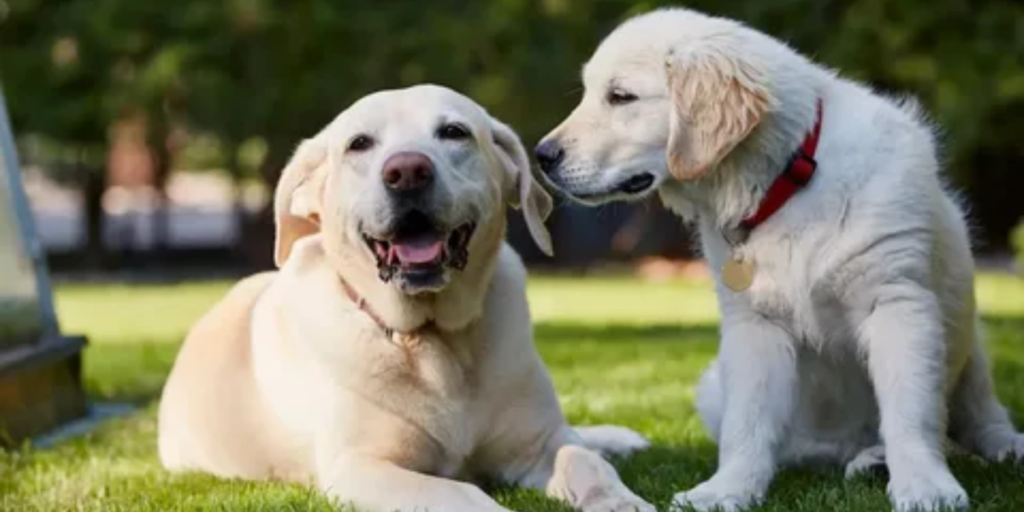
One of the biggest gaps in most articles on this topic is that they treat all dogs the same. But a 3-month-old puppy not eating is a very different situation from a healthy 3-year-old Labrador skipping a meal.
Puppy Not Eating But Drinking Water
Puppies have much smaller energy reserves than adult dogs and cannot go nearly as long without food. Their blood sugar can drop dangerously fast, leading to hypoglycemia — a condition that can cause seizures and be fatal if untreated.
If your puppy is not eating but drinking water, take action after 12 hours. Do not wait 24 to 48 hours like you might with an adult dog. Also rule out parvovirus if your puppy is not fully vaccinated — this is a deadly disease that causes food refusal, vomiting, and severe diarrhea.
Adult Dog Not Eating But Drinking Water
For a healthy adult dog (1 to 7 years), a single skipped meal is generally not alarming. A 24-hour fast without other symptoms is usually safe to monitor at home with the home remedies listed below. However, if your dog stopped eating suddenly and this is not a pattern you have seen before, it still warrants a call to your vet after 24 hours.
Senior Dog Not Eating But Drinking Water
A senior dog not eating but drinking water requires more careful attention. Older dogs are significantly more likely to have underlying conditions — kidney disease, liver disease, diabetes, dental disease, arthritis, or cancer — that are directly causing the food refusal.
Additionally, senior dogs lose muscle mass more quickly when they stop eating and are less equipped to bounce back after a prolonged fast. Combine the refusal to eat with excessive drinking in a senior dog, and this should prompt a vet call within 24 hours, not 48.
Senior dogs may also experience:
- Reduced sense of smell and taste (food smells less appealing)
- Dental pain from years of dental disease buildup
- Nausea from age-related kidney or liver decline
- Depression or cognitive dysfunction in their final years
How to Check If Your Dog Is Dehydrated at Home
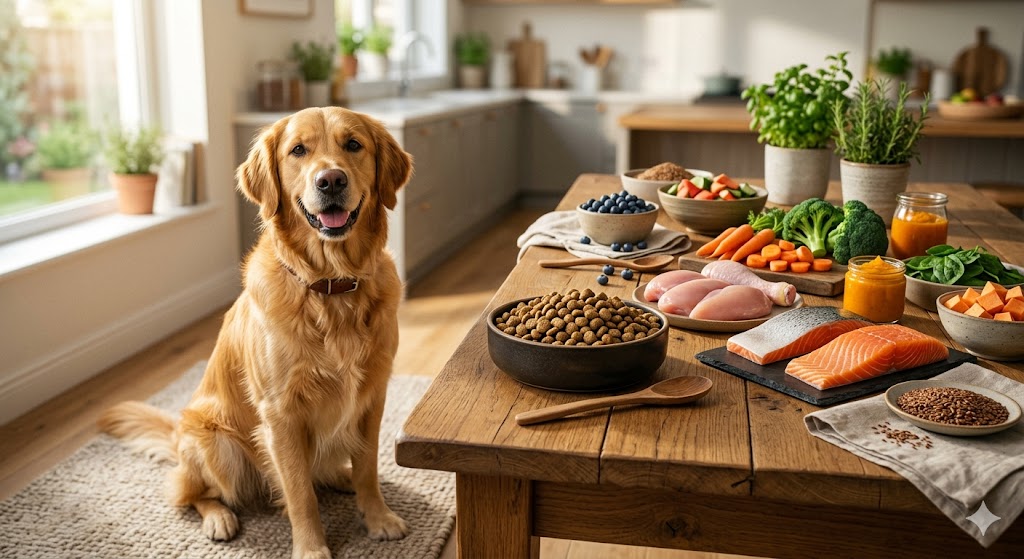
Even though your dog is drinking water, it is still possible for them to become dehydrated if they are losing fluids faster than they are taking them in (through vomiting, diarrhea, or panting). Here is how to check at home.
Test 1: The Skin Turgor Test
Gently pinch a small fold of skin on the back of your dog’s neck or between the shoulder blades. Release it and observe:
- Well-hydrated: Skin snaps back immediately to normal
- Mildly dehydrated: Skin returns slowly, taking 1 to 2 seconds
- Moderately to severely dehydrated: Skin remains tented (stays raised) for more than 2 seconds
Note: This test is less accurate in very lean dogs, overweight dogs, or breeds with loose skin like Bulldogs or Shar-Peis.
Test 2: The Gum Check
Lift your dog’s upper lip and examine the gums:
- Healthy and hydrated: Gums should be pink and feel wet and slick
- Dehydrated: Gums appear dull, pale, or feel sticky and tacky
Then press your finger firmly against the gum for 2 seconds and release. Watch the color:
- Normal: Color returns to pink within 1 to 2 seconds (capillary refill time)
- Dehydrated: Color takes longer than 2 seconds to return — this signals reduced blood circulation
Test 3: Check the Eyes
Look at your dog’s eyes. Sunken, dull-looking eyes with reduced moisture are a sign of dehydration. Combined with sticky gums and tenting skin, this indicates moderate dehydration that needs veterinary attention.
If your dog shows signs of dehydration, do not wait. Contact your vet immediately.
AKC (American Kennel Club) — Dehydration Section mein
Jahan add karo: “How to Check If Your Dog Is Dehydrated at Home” section ke end mein
Text: “For more detailed guidance on dog dehydration signs, visit the American Kennel Club’s vet-reviewed resource.”
Link: https://www.akc.org/expert-advice/health/warning-signs-dehydration-dogs/
8 Home Remedies to Get Your Dog Eating Again
If your dog’s food refusal appears mild — no other serious symptoms, still drinking normally, acting relatively okay — here are 8 safe and effective home remedies to try. These are the practical steps that most competitor articles fail to provide in enough detail.
1. Warm Up Their Food
Cold food has less aroma. Warming your dog’s regular food slightly (not hot — just body temperature) releases the smell and makes it far more attractive. Add a small amount of warm water to dry kibble and mix it in. This also adds extra moisture, which is helpful.
2. Add Chicken Broth or Bone Broth
Plain, low-sodium chicken broth (no onion, no garlic — both are toxic to dogs) poured over dry food can dramatically increase palatability. Bone broth made specifically for dogs is even better — it adds flavor, moisture, and easy-to-digest nutrients that support a recovering gut.
3. Offer the Bland Diet: Chicken and Rice
The classic sick-dog remedy that veterinarians have recommended for decades. Boil plain chicken breast (no seasoning, no oil) and white rice in a 1:2 ratio (one part chicken, two parts rice). Offer small amounts every few hours. This is gentle on the digestive system and highly appealing to most dogs.
This diet is safe for 2 to 3 days while your dog recovers from mild stomach upset.
4. Try Hand Feeding
Sometimes a dog in mild discomfort or stress will respond to personal attention. Hold the food in your hand rather than placing it in the bowl. The warmth of your hand, your scent, and the one-on-one interaction can override mild appetite suppression. This is especially effective for dogs experiencing stress-related dog food refusal.
5. Feed Smaller, More Frequent Meals
Instead of one or two large meals, try offering four to five small portions throughout the day. A full bowl can feel overwhelming to a nauseous dog. Small amounts are less intimidating and easier to digest.
6. Remove the Food After 15 to 20 Minutes
Leave the food down for a set time, then remove it. Do not leave the bowl out all day hoping they will eventually eat. This creates a feeding schedule that can help reset a dog’s internal appetite clock — and prevents the picky behavior where dogs hold out for something better.
7. Use a Dog-Safe Appetite Stimulant Topper
You can add small amounts of plain pumpkin puree (canned, unsweetened — not pie filling), a scrambled egg, or a small amount of plain yogurt to your dog’s food. These are safe, easily digestible, and add flavor and nutrition that can tempt a reluctant eater.
8. Address the Stress
If you believe stress is behind the dog eating habits change, work on the trigger. Create a quiet, calm feeding environment away from noise and foot traffic. Maintain a strict, consistent feeding schedule. Use calming aids if recommended by your vet.
Important: If none of these remedies work within 24 to 48 hours, or if other symptoms appear, stop home treatment and consult your veterinarian.
Warning Signs: When to Go to the Vet Immediately
Some situations should not wait for home remedies. Take your dog to an emergency vet or call your veterinarian immediately if you notice any of the following:
- Your dog has not eaten for more than 48 hours (24 hours for puppies or senior dogs)
- Food refusal is combined with repeated vomiting or diarrhea
- Your dog is lethargic — unusually still, unresponsive, or unable to stand properly
- You notice a bloated or swollen abdomen (this can indicate bloat/GDV, a life-threatening emergency)
- Your dog is drinking an abnormally large amount of water alongside food refusal
- There is blood in the vomit or stool
- Your dog is shaking, trembling, or showing signs of pain
- Gums are pale, white, blue, or very dark red instead of pink
- You suspect your dog swallowed a foreign object
- Your dog has a known condition like diabetes or kidney disease and is skipping meals
In these situations, home remedies are not appropriate. These are medical emergencies where time matters.
Breed-Specific Notes: Which Dogs Are More Prone to Food Refusal?
This is a section that competitors completely skip — but it is genuinely useful information for dog owners.
Some breeds are naturally predisposed to picky eating or stress-related dog inappetence:
- Yorkshire Terriers and Maltese: Notoriously picky eaters with strong food preferences. Often refuse food for behavioral rather than medical reasons.
- Shih Tzus and Pomeranians: Small breeds prone to using food refusal as attention-seeking behavior.
- Labrador Retrievers: Usually food-motivated, so food refusal in a Lab is a stronger signal of a medical problem.
- German Shepherds: Prone to sensitive stomachs and gastrointestinal conditions like IBD that cause dog gastrointestinal upset and appetite loss.
- Greyhounds and Whippets: Can be prone to dental disease and stress-related appetite loss.
If your dog belongs to a typically food-motivated breed and suddenly stops eating, take this more seriously than you would with a naturally picky breed.
What Your Vet Will Do (And Why Bloodwork Matters)
If you visit your vet for a dog not eating but drinking water, here is what to expect:
Your vet will start with a physical examination — checking temperature, hydration, abdominal palpation, gum color, lymph nodes, and body weight. They will ask you when the food refusal started, what your dog’s water intake has been like, and whether any other symptoms have appeared.
Based on the examination, your vet may recommend:
- Complete blood count (CBC): Checks for infection, anemia, and overall health markers
- Chemistry panel: Evaluates kidney function, liver function, blood sugar (diabetes), and electrolyte balance
- Urinalysis: Checks for urinary tract infections, dehydration, and early kidney disease
- Abdominal X-rays or ultrasound: Rules out intestinal blockage, foreign bodies, or organ abnormalities
- Canine pancreatic lipase test (cPLI): Specifically tests for pancreatitis
Early bloodwork can catch serious conditions like kidney disease or diabetes at a stage where intervention is most effective. This is why getting a vet involved early — rather than waiting for the situation to worsen — is always the right call when the cause is unclear.
Frequently Asked Questions
How long can a dog go without eating while still drinking water? Most healthy adult dogs can safely go 24 to 48 hours without food as long as they are still drinking water and showing no other symptoms. Beyond 48 hours, a vet visit is strongly recommended. Puppies should be seen after 12 hours and senior dogs after 24 hours.
Should I force my dog to eat if they won’t eat? No. Force feeding can cause aspiration (food entering the lungs), increase stress, and damage the trust between you and your dog. Instead, try the home remedies listed above — warming food, adding broth, hand feeding small amounts — and contact your vet if the refusal continues.
My dog is not eating but acting normal and playful. Should I still worry? A dog acting normally otherwise is a good sign. Monitor for 24 hours and try the home remedies. If they are still refusing food after 24 hours despite acting fine, call your vet for advice. Sometimes dogs feel fine internally but have something mild going on that bloodwork would reveal.
My dog is not eating for 2 days but drinking water. What do I do? At 48 hours, call your vet immediately. Even if your dog seems okay, 48 hours without food is beyond the safe monitoring window. Your vet can determine whether bloodwork or an examination is needed.
Can a dog not eating but drinking lots of water indicate kidney disease? Yes. Excessive water drinking combined with food refusal is one of the classic signs of chronic kidney disease in dogs. Other signs include frequent urination, weight loss, bad breath with an ammonia smell, and lethargy. This combination should be evaluated by a vet right away.
Is it okay to give my dog human food when they won’t eat? Small amounts of plain, cooked chicken or plain white rice are safe and actually recommended as a bland diet for sick dogs. Avoid anything with onion, garlic, grapes, raisins, xylitol, or heavy seasoning. Never give fatty human foods as these can trigger or worsen pancreatitis.
What home remedy can I try first? Start by warming up your dog’s regular food and adding a small amount of low-sodium, onion-free chicken broth. This is safe, simple, and effective for many cases of mild appetite loss. If this does not work within a few hours, try offering a small portion of boiled chicken and white rice.
Why does my senior dog drink water but won’t eat? Senior dogs not eating but drinking water is more often connected to a medical condition than in younger dogs. Kidney disease, dental pain, arthritis discomfort, and liver disease are all more common in older dogs. Do not wait more than 24 hours before calling your vet if your senior dog refuses food.
Final Thoughts
A dog that is not eating but still drinking water is sending you a signal. Sometimes that signal is minor — a little stress, a slightly off stomach, or a picky mood. Other times it is the earliest warning sign of a serious underlying condition that needs prompt veterinary attention.
The keys to handling this situation correctly are:
- Know the timeline — 24 hours for adults, 12 for puppies, and act sooner for senior dogs
- Check for dehydration with the skin and gum tests
- Try gentle home remedies for mild cases
- Watch for warning signs that mean it is time to stop monitoring and get professional help
Your dog cannot tell you what is wrong. But by understanding what dog drinking water but not eating really means — and by taking it seriously at the right time — you are doing exactly what a responsible, caring dog owner should do.
If you found this guide helpful, explore these related articles on DogPulse:
- Best Dog Food for Sensitive Stomach and Diarrhea
- How Long Can a Dog Go Without Eating?
- Dog Vomiting Yellow Bile in the Morning: Causes and Solutions
- Best Dog Food for Weight Gain
Read More: https://dogpulse.blog/category/dog-health/
Note: This article is for general informational purposes and should not replace professional veterinary advice. If your dog is showing concerning symptoms, please contact your veterinarian promptly.